

Sovereignty and European AI
Europe is building its independence from the American and Chinese technology giants. Between strict regulation, investment and homegrown infrastructure, the question of technological sovereignty in AI is becoming a major strategic issue of competitiveness and data control.
About Sovereignty & European AI
What it is about
Sovereignty and European AI refer to the European Union's ability to develop, control and govern its own technological capabilities in artificial intelligence. This issue spans four dimensions: command of computing and cloud infrastructure, access to quality data, technological autonomy in designing and training models, and control of the computing supply chain. For the European Commission, the goal is to move from an essentially regulatory approach to an industrial policy, with Europe acknowledging its dependence on the technology giants for generative models, cloud infrastructure and computing power.
Issues and debates
The central debate concerns the tension between rapid innovation and an ambitious regulatory framework. The AI Act sets demanding requirements for transparency, compliance and fundamental rights. Supporters see a long-term advantage in it, creating an ecosystem of trust; critics fear it may slow development against less regulated competitors. A second issue concerns hardware infrastructure: Europe commands only marginally the production of advanced chips and remains dependent on foreign suppliers. Extraterritorial legislation creates a risk: data stored in Europe on servers controlled by non-European companies may remain accessible to foreign authorities. The role of open source is a third debate: structuring access to quality data to train competitive models without depending on foreign proprietary data.
European regulation and framework
The European Commission steers this strategy through several instruments: a Chips Act to revive semiconductor manufacturing, a framework for developing cloud and AI that defines assurance levels for sovereignty (from European storage to source code control), and an open source strategy. On the regulatory side, the AI Act becomes the cross-cutting reference. On the industrial side, national support schemes mobilise public funds to finance technology champions and critical infrastructure. Private players include European start-ups and the European subsidiaries of the giants, while public institutions and universities are major drivers of research.
What ActuIA tracks
ActuIA follows the evolution of concrete AI sovereignty policies and initiatives in Europe: the implementation of cloud frameworks and their compliance levels, progress in public funding programmes, the build-up of infrastructure and computing capacity, debates on governance and its geopolitical impacts, as well as the real balance between strict regulation and competitiveness.
The complete guide
Key concepts
Articles
35 in total
In Lille, “L'IA avec nous” Tests the Promise of a European Valley of Applied AI

Claude Mythos: The EU Excluded from Briefing Received by the Fed and Bank of England

Digital sovereignty: CIANum calls for overcoming public-private silos to build strategic commons

AI & Banks: The ECB Calls Its Banks on Mythos, but DORA Does Not Guarantee Any Sovereign Access to the Tool

Call for Applications: Île-de-France Region Launches DSP for an AI Hub in Paris
Île-de-France Region: Call for Expressions of Interest for an AI Innovation Hub
Orange and OpenAI: A Strategic Alliance for Sovereign and Responsible AI

Orange Business obtains SecNumCloud security visa for its Cloud Avenue SecNum offering

Paradigm Edu: LightOn's Sovereign AI Makes Its Debut in Higher Education at ENS Paris-Saclay
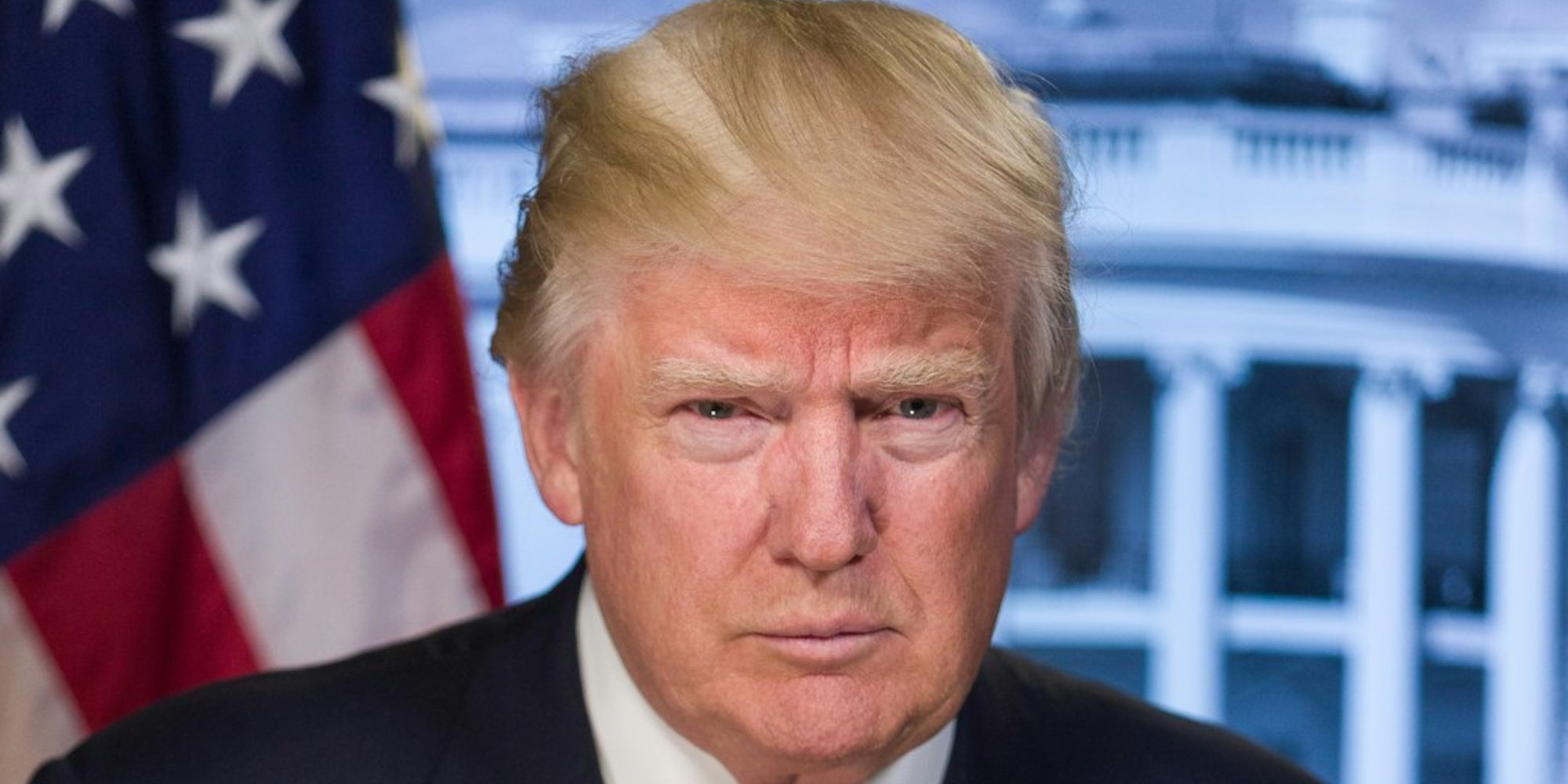
Trump Administration Unveils Strategy to Win the AI Race

Sensitive Data and Cloud Act: Microsoft France Admits It Cannot Oppose an American Injunction
United Kingdom: OpenAI and DSIT Partner to Accelerate AI Adoption

Toulouse scales up with the ANITI AI Cluster: A national and European ambition for trustworthy AI

Orange Business strengthens its strategic alliance with NVIDIA around a sovereign AI

Sodern opts for LightOn's Paradigm platform

USA: OpenAI signs a $200 million contract with the Department of Defense and launches 'OpenAI for Government'

The National Council for AI and Digital Technology Takes Over from CNNum

AI: France Needs Action Grounds. In Lille, We Have Taken the Lead
Mistral AI and Nvidia: Towards a Sovereign AI Infrastructure in Europe

MBZUAI and École Polytechnique Strengthen Their Partnership in the Field of AI

PRISM Eval and CEA-List, Winners of the AI Security Challenge

Consult, the UK's Government AI, Validated by a First Successful Test

Foster Bill: How the US Plans to Stop Smuggling of Advanced Chips to China
The EU Invests 600 Million Euros to Attract Top Talent

Turnkey AI: OVHcloud Launches AI Endpoints, Its Serverless Open Source AI Platform

From Dependency to Self-Sufficiency: China's AI Ambition

France 2030: A Controlled Path Towards Innovation and Decarbonization?

Miratlas opts for digital sovereignty with Phocea DC

EU Economic Blueprint: OpenAI's Recommendations for Enabling the EU to Harness the Potential of AI
The European Commission Unveils Its Action Plan to Make Europe 'The AI Continent'

Confiance.ai: A European Roadmap for the Industrialization of Trustworthy AI

CMA CGM and Mistral AI: A 100% French Alliance for Innovation and Industrial Transformation

Pyrénées-Orientales: Birth of a Sovereign AI Serving Local Businesses

AMIAD Inaugurates Its Research Hub and Signs Partnership with Mistral AI
