

AI in healthcare
From diagnostic support to lighter administrative workloads, artificial intelligence is entering patient care. A promising integration, yet one that confronts professionals with unprecedented demands around reliability, data protection and accountability.
Are you a healthcare professional?
Follow every artificial-intelligence development in this sector — articles, briefs and signals — gathered in your personal feed. Free, ad-free.
About the sector
Concrete uses
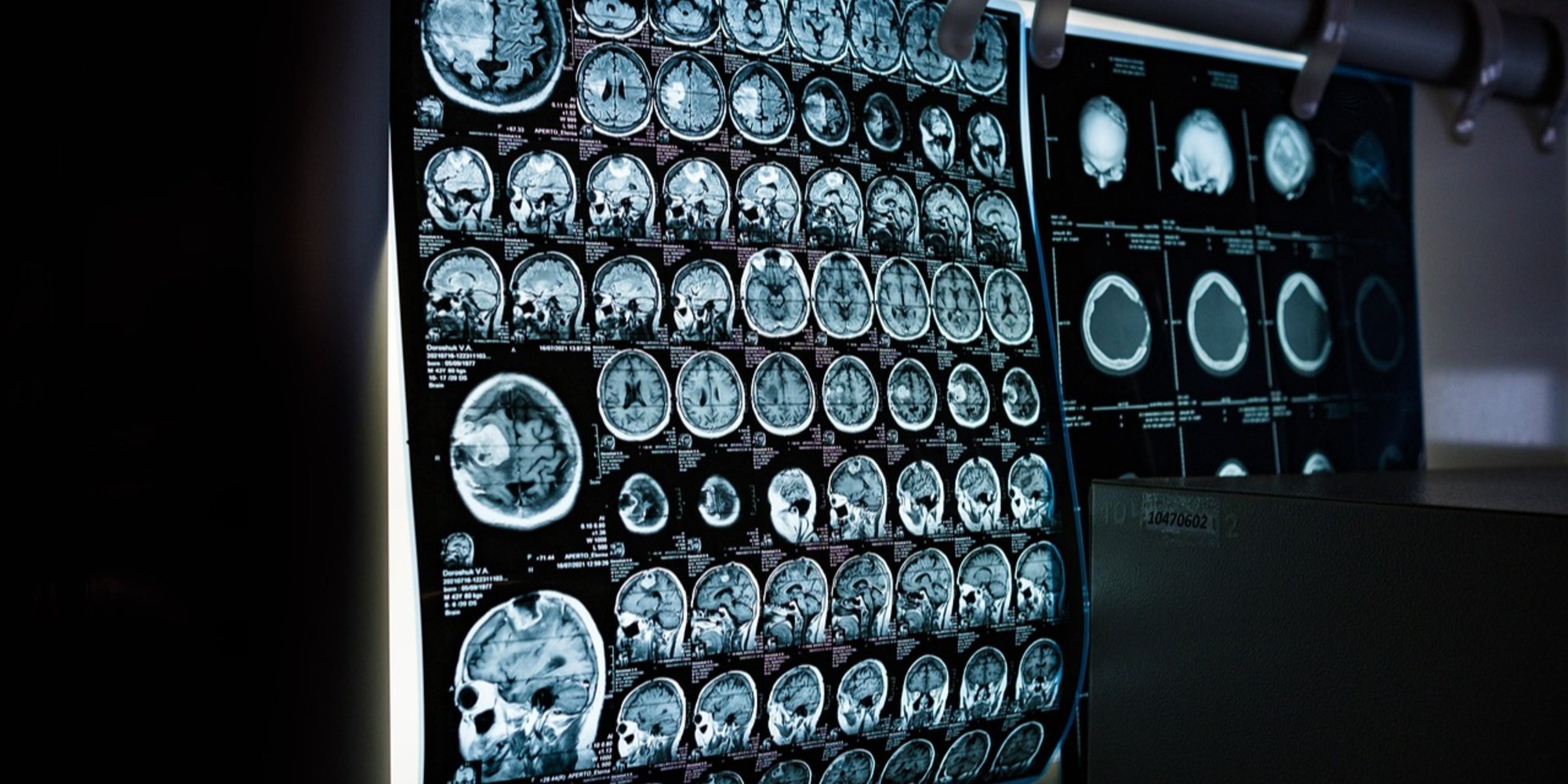
AI is settling into the daily practice of healthcare professionals. In medical imaging, diagnostic support systems analyse X-rays, CT scans and MRIs to spot pathological patterns, acting as a second pair of eyes that does not replace the radiologist. Cardiology and dermatology see comparable deployments, notably for detecting arrhythmias on electrocardiograms or recognising skin lesions.
Clinical documentation forms a second area: assistants generate reports and medical letters, reducing manual data entry and freeing up clinical time. Automation extends to administrative tasks such as appointment booking, message triage and coding. AI also supports patient pathways through teleconsultation, tele-expertise and the monitoring of chronic conditions, with triage and early-detection tools emerging across care facilities.
Challenges and limits
Algorithmic reliability remains central. Bias arises when training data fail to reflect the diversity of the populations being treated: a dermatology model may show uneven accuracy depending on skin type. This variability limits practitioner trust and creates clinical risk in atypical situations.
The opacity of complex systems, the so-called black boxes, sets up a tension between performance and explainability. AI produces probabilities and alerts, rarely a transparent clinical justification, whereas the physician must be able to understand and explain a course of action, especially if it is challenged.
Protecting health data stands out as a regulatory imperative: the GDPR strictly governs its processing, requiring anonymisation or pseudonymisation, certified hosting and storage within the European Union, while medical confidentiality must be preserved when data move to external platforms.
Medical liability, finally, remains paramount. The practitioner stays responsible for the diagnostic or therapeutic act, whatever the technology: AI suggests, the physician decides. This rule does not erase the grey areas, particularly when a tool recommends a choice that falls outside established protocol.
European regulation and framework
National health authorities have begun building a trust framework for digital technologies and AI systems intended for professional use, and have issued recommendations for the responsible use of generative AI in healthcare. National medicines agencies and data protection authorities share regulatory responsibilities, with the latter overseeing GDPR compliance. The European Artificial Intelligence Act sets reinforced obligations for high-risk systems, which cover many medical devices. Public health insurers and assessment bodies are also conducting medico-economic evaluations to measure the real contribution of AI before any wider roll-out.
What ActuIA is tracking
ActuIA follows developments in healthcare AI: the emergence of new tools, the evolution of European regulation, reliability and data governance challenges, and the transformation of professional practice.
Articles
13 in total
What has become of InstaDeep, three years after its record takeover by BioNTech?

Sensitive Data and Cloud Act: Microsoft France Admits It Cannot Oppose an American Injunction

AI and Health Data: Call for Tenders Launched to Host the Health Data Hub

Digital Transformation of Healthcare Facilities in France: Between AI Growth and Legacy System Inertia
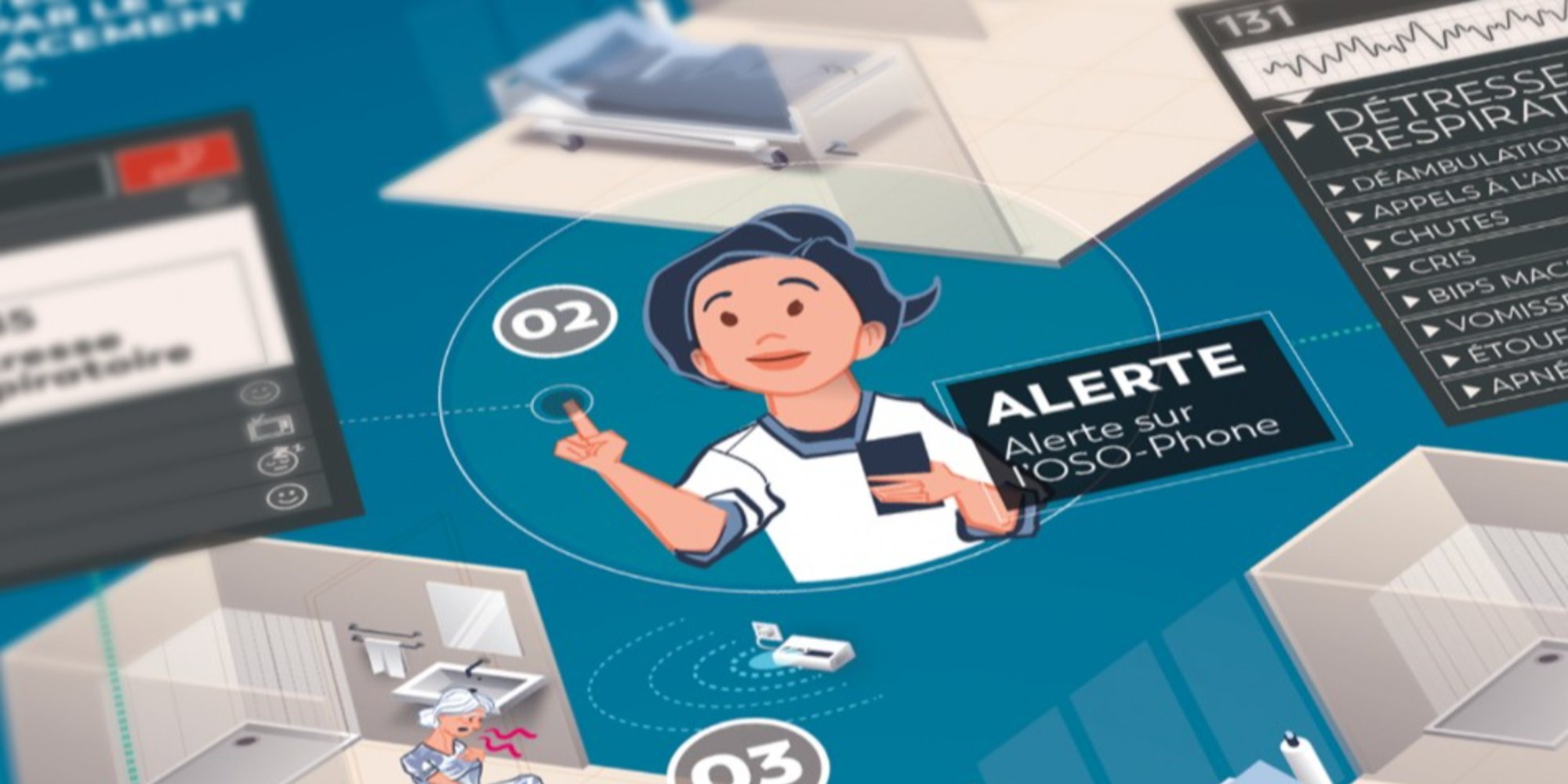
OSO-AI and VYV3: A Strategic Partnership Serving Healthcare Providers
Dassault Systèmes and Fondation FondaMental Launch Sovereign Health Data Warehouse to Advance Psychiatric Research
AI and Disability: Provence.ai Tackles Processing Delays in MDPH Files
Digitization of Medical Secretariats: A Transformation Underway, but Still Fragile

The French and AI in Healthcare: Between Pragmatic Acceptance and Transparency Demands

Hospital Scheduling Management: AI Wins the Duel Organized by Anap

Precision Medicine: Dassault Systems Integrates AI with 'Living Heart' Virtual Twins

Volta Medical Demonstrates How AI Can Assist Cardiologists in Treating Atrial Fibrillation
