

AI agents
AI agents are autonomous systems able to perceive a context, plan actions and carry out complex tasks without constant supervision. Their deployment raises significant questions about accountability, governance and environmental impact.
About AI Agents
What it is about
An AI agent is a system able to act autonomously to reach a defined goal. Unlike conversational tools, an agent performs tasks without human intervention at every step. It interprets instructions, plans multiple actions, executes them across various systems or tools, and adapts according to the results.
An agent built to manage a supply chain can query supplier databases, compare lead times and prices, draft a request for quotation, send it and record the interaction in a management system. These tasks follow on from one another without human instruction at each stage.
Issues and debates
Agent autonomy creates major challenges. When an agent produces an error or makes a questionable decision, accountability becomes blurred: its creator, its operator, or the organisation that deployed it? These systems also inherit the biases present in their training data. The question of human control remains central: maintaining suitable oversight, neither absent nor paralysing, in an ecosystem where agents continuously handle critical tasks raises organisational and technical difficulties. The energy footprint of these systems is also under discussion.
European regulation and framework
In Europe, the regulation on artificial intelligence (AI Act) sets the legal framework, built on a risk-based approach: systems are classified according to their potential impact on health, safety and fundamental rights. Autonomous agents often fall into high-risk categories. The interplay between the AI Act and the GDPR remains essential: the GDPR governs the processing of personal data, while the AI Act adds requirements on how the systems themselves operate and on their level of risk.
What ActuIA follows
ActuIA tracks regulatory developments around AI agents: clarifications on their risk classification, early feedback from organisations, debates on the governance and transparency required. We also cover technological innovations, the security and auditability issues of autonomous systems, and the organisational transformations they bring about.
The complete guide
Key concepts
Articles
15 in total
The preprint ExpGraph proposes a self-evolving graph memory for LLM agents
ContextEcho: Compaction Does Not Correct Persona Drift, Benchmark on 23 Models

Trust, Key to Human–AI Collaboration in the Age of Agentic AI, According to Capgemini

ChatGPT Agent Facing Its Limits: A Promising Tool, But Far from an “On-Demand Workforce”

ChatGPT Agent: OpenAI Equips Its Conversational Assistant with a Virtual Computer

From Data to Action: Qlik's Agentic Trajectory Towards Integrated Decision Intelligence
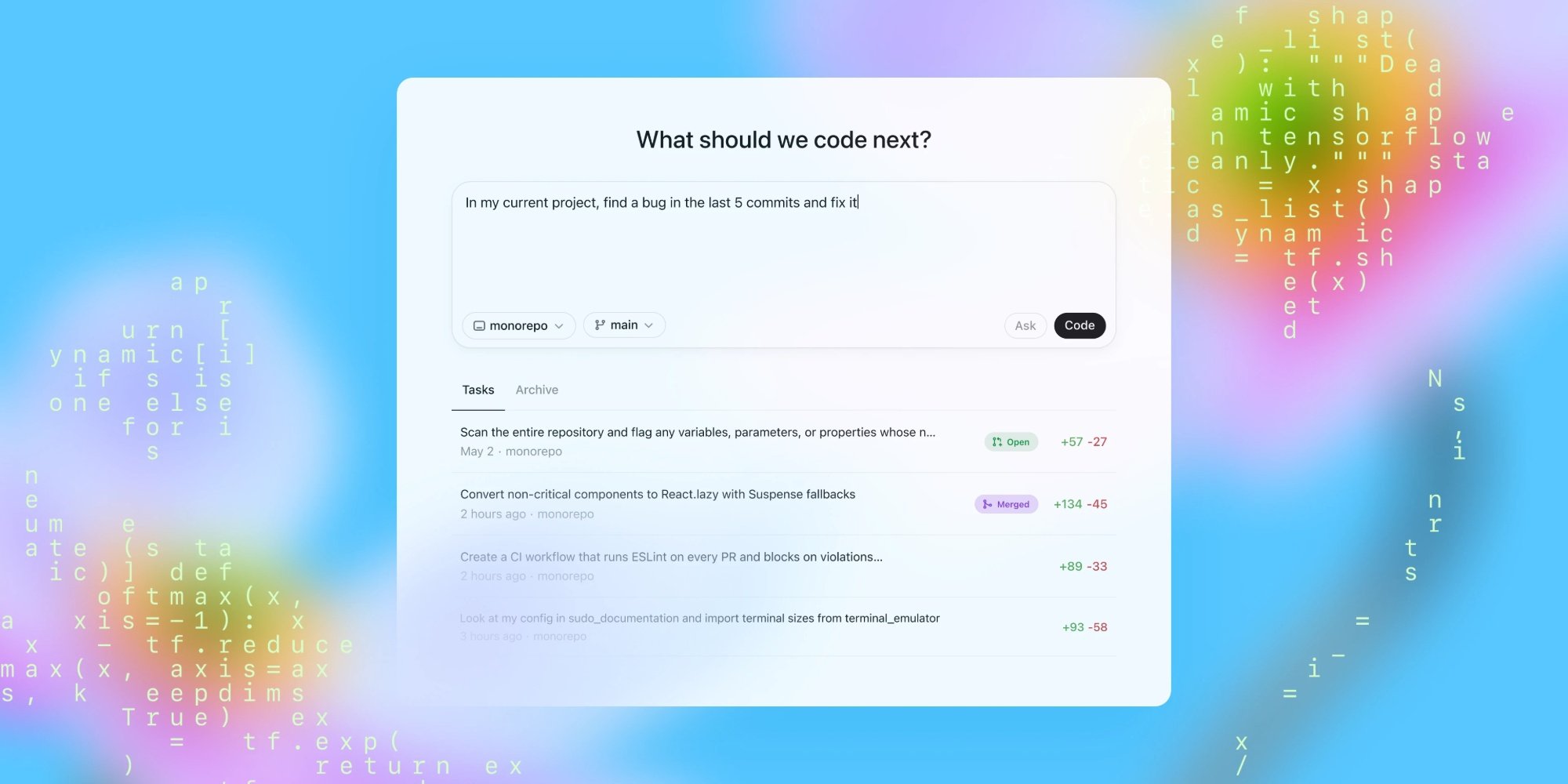
OpenAI introduces Codex: Towards Agent-Assisted Software Engineering
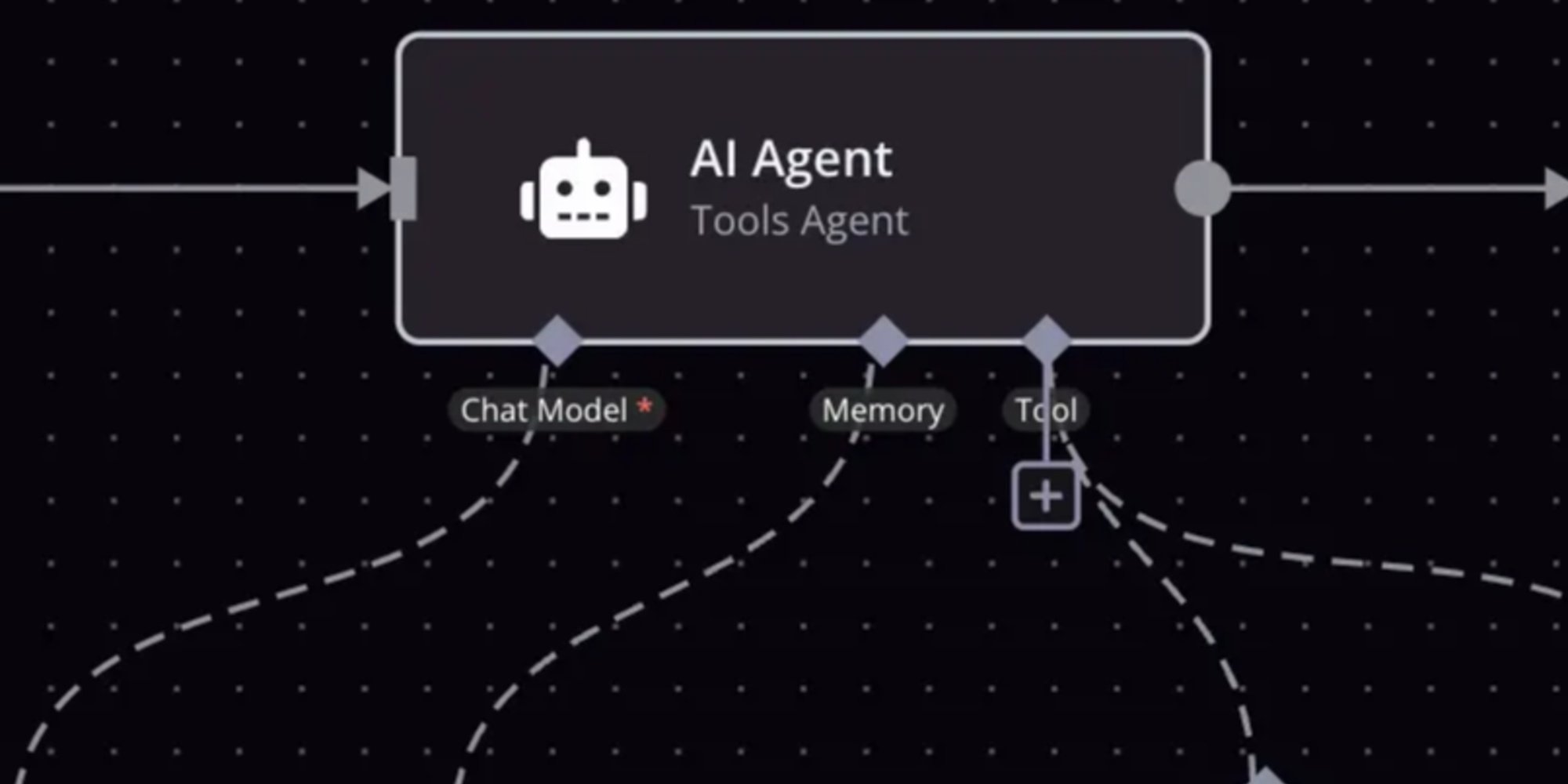
2025: The Year of Maturity for Enterprise AI Agents?

Towards Agent Interoperability: Google Cloud Launches A2A Protocol

Browser Use Raises $17 Million to Accelerate Development of Its Web Agent Competing with Operator
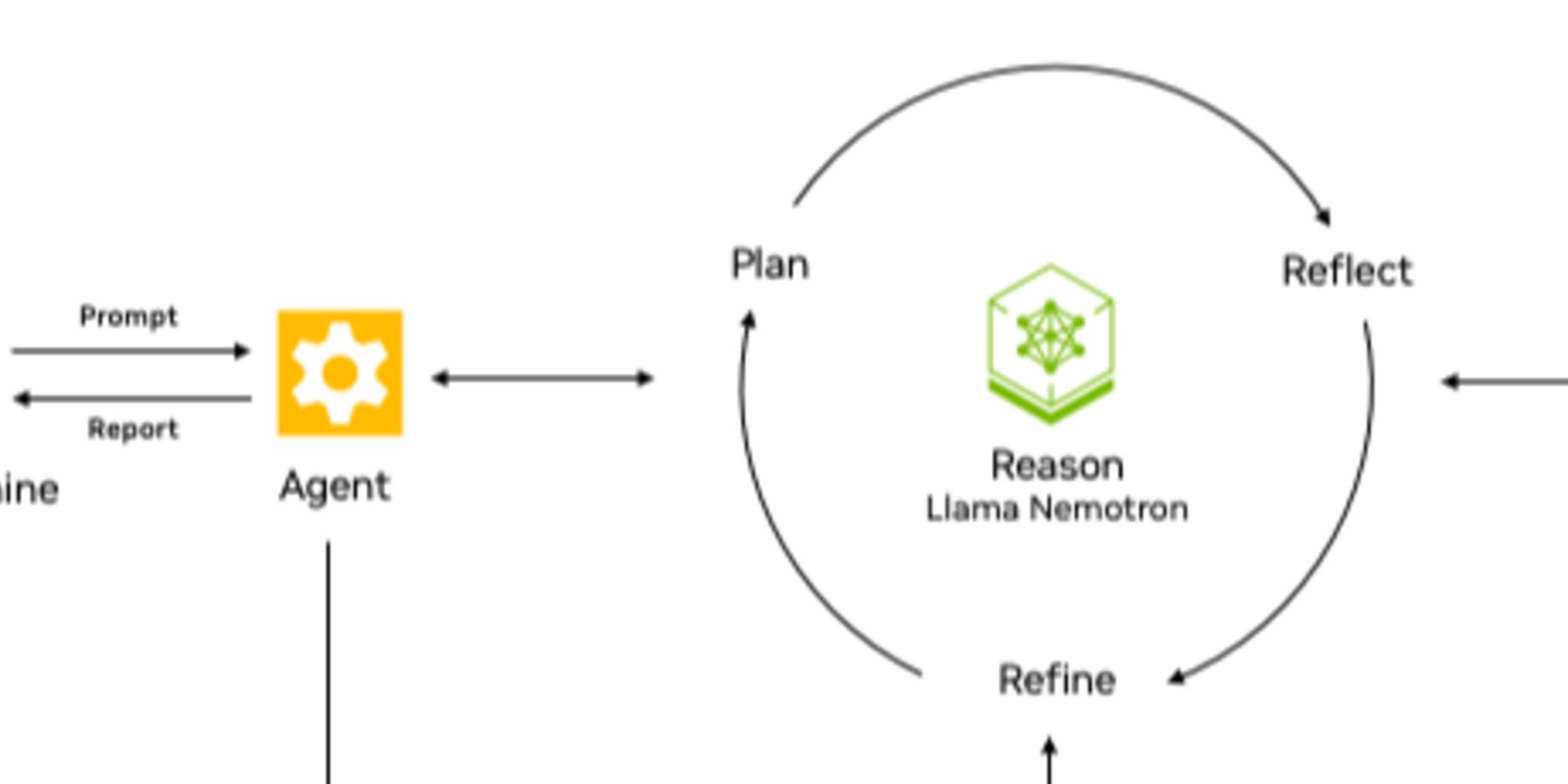
Transforming AI Agent Systems into Digital Workforces: NVIDIA Unveils AI-Q Blueprint
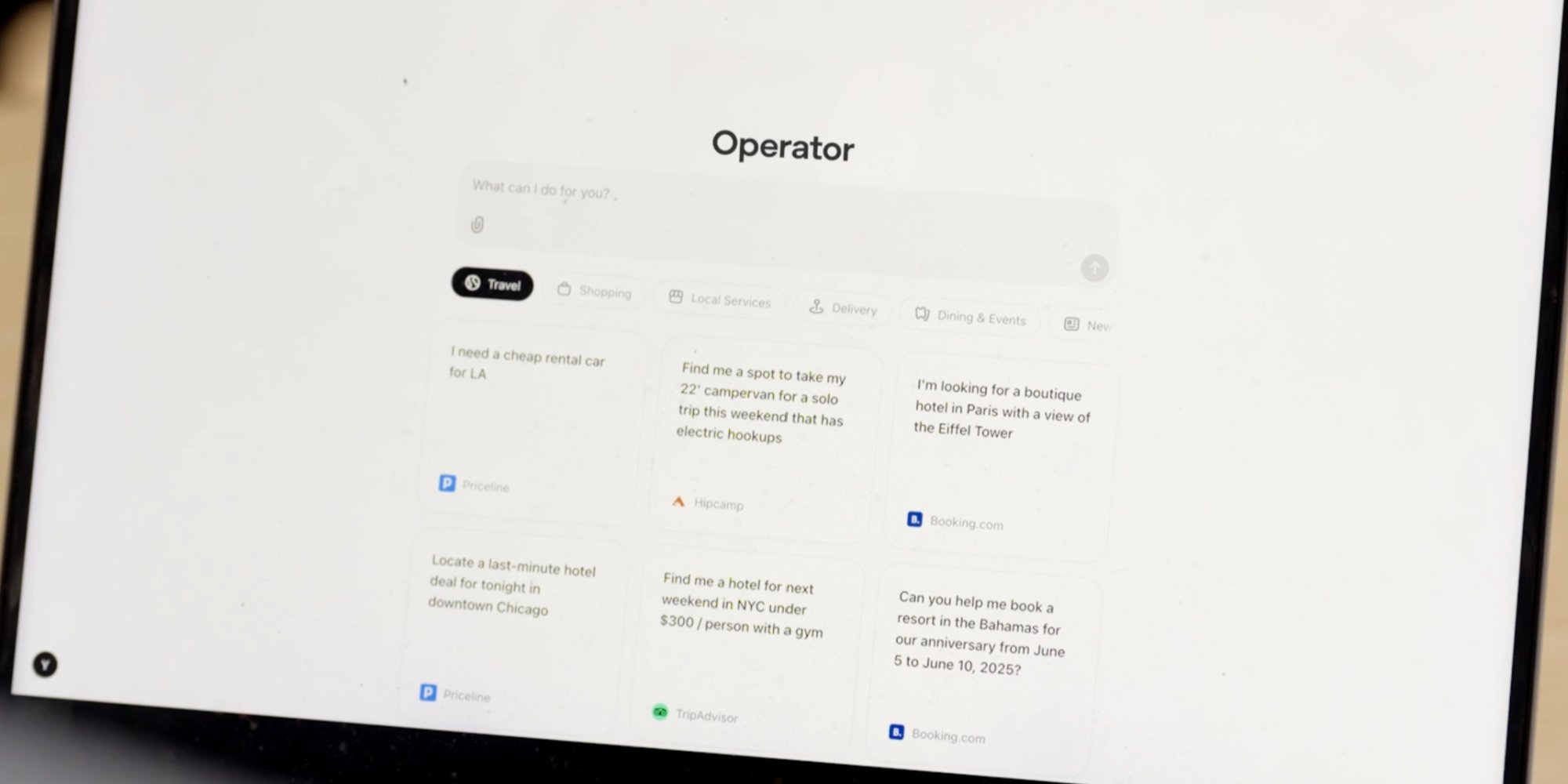
OpenAI Deploys Operator, Its Web Navigation AI Agent in Europe

API Responses, SDK Agents: OpenAI Simplifies the Creation of AI Agents for Businesses

Manus AI: China Ushers in the Era of Fully Autonomous AI Agents... But Let's Not Get Carried Away