

AI, Employment and Society
Artificial intelligence is profoundly reshaping the world of work and raising major societal questions. How is the technology redrawing jobs and skills? What is at stake for equality, training and regulation? A look at the levers and tensions defining this transition.
Articles
29 in total
AI-written requests: balance of power starts to shift towards users in France

French firms using AI heavily hire up to 25% fewer young people on permanent contracts
Italy: from 23 October, AI hiring or firing requires a human decision-maker
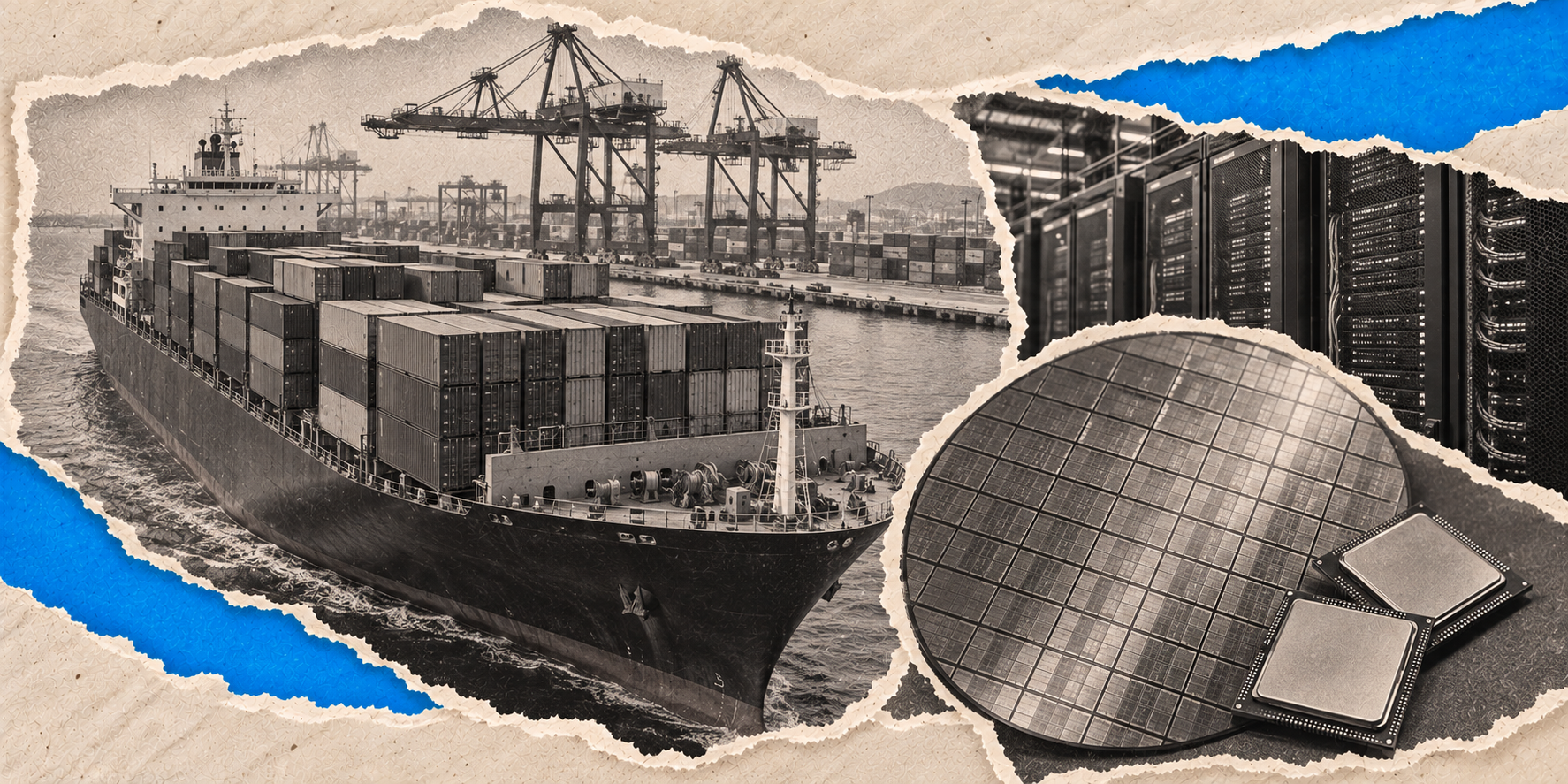
AI goods drive 47% of global trade growth in value, WTO says

When to consult the CSE before deploying AI (October 2026)

Festival AI4GOOD: Democratizing AI for Youth and Sustainable Development

AI for Everyone: IGENSIA Education Group Places GenAI at the Heart of Its Educational Programs
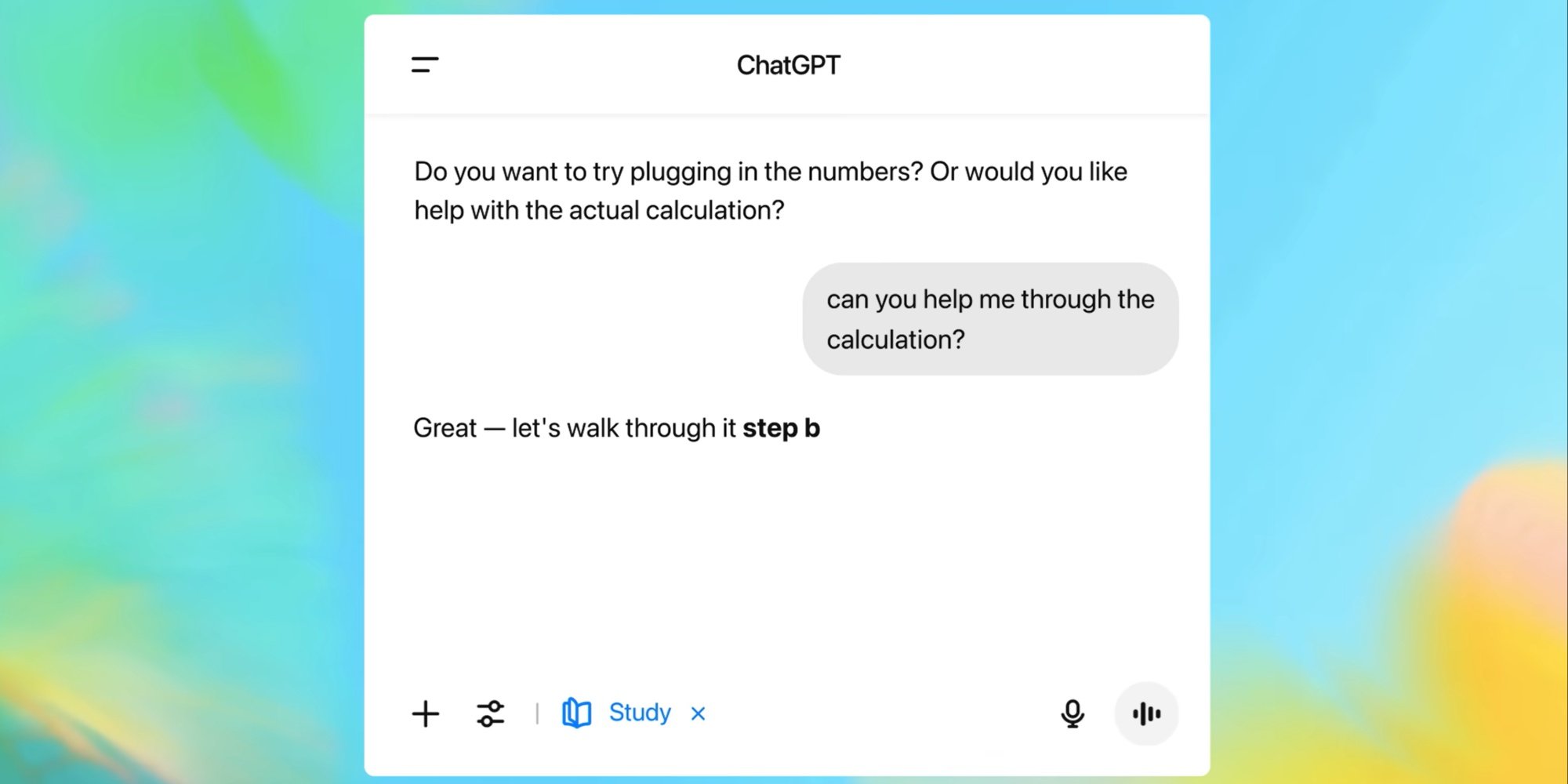
Study Mode: OpenAI Equips ChatGPT with an Educational Assistant

Suspected of AI Cheating, a High School Student Finally Earns Her Diploma

A METR Study Reveals that AI Slows Down Experienced Developers
Dare AI: A Plan to Democratize AI in the French Economic Fabric

AI and Female Inclusion: Women in AI and Social Builder Join the GenIAles Program by Simplon and Microsoft

ESSEC Unveils the Winners of the First Edition of the Grand Prix AI for Responsible Leadership
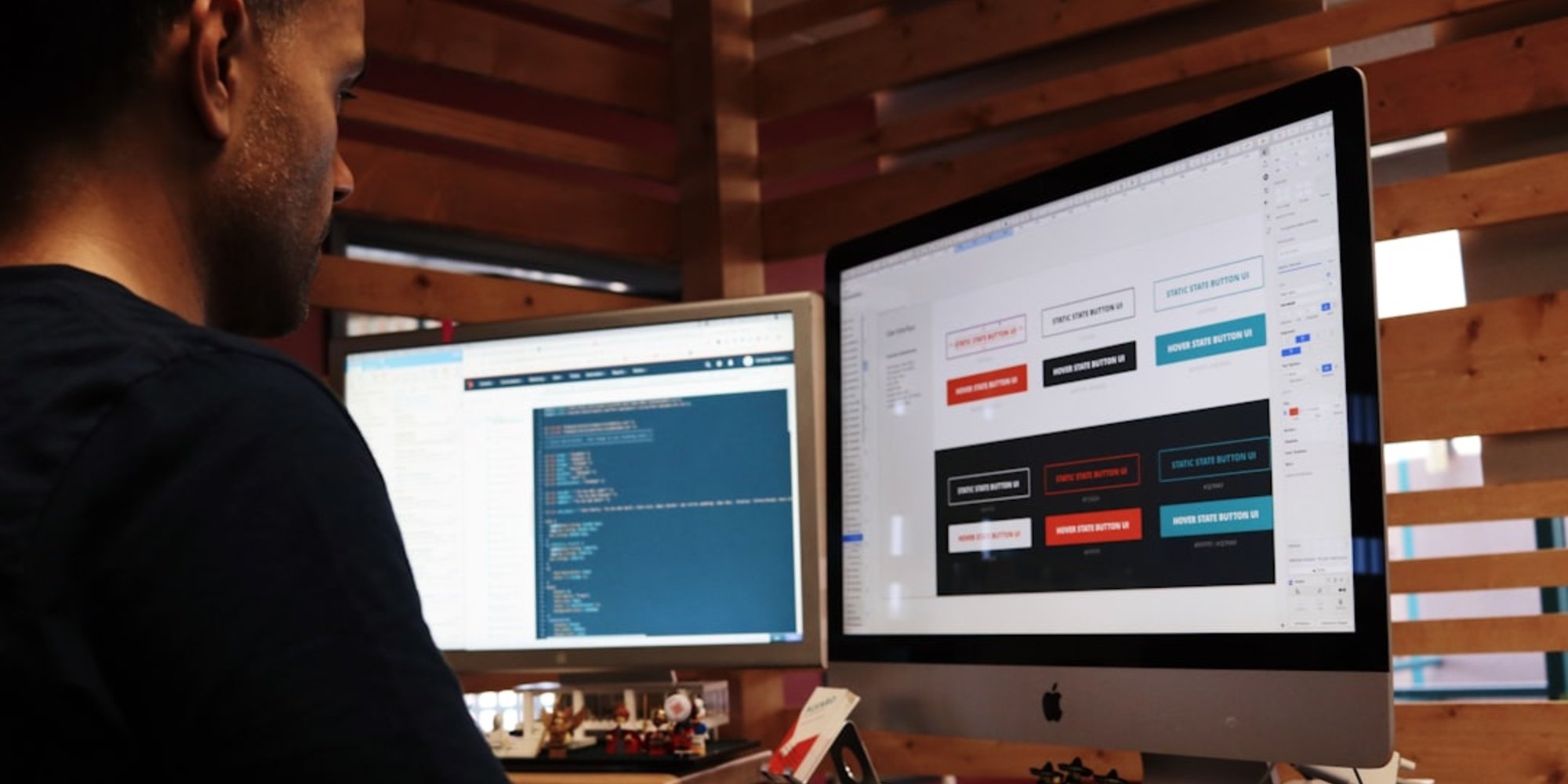
AI and Creative Employment: Insights from Autodesk's First "AI Jobs Report"

The Use of GenAI is Allowed in Schools but Under Supervision
Open Badges for IT: Towards a New European Standard for Digital Certification

Profession Reporter: The Bpi Explores the Impact of AI at a Meeting at the Scam on June 18th

France 2030: Launch of the Call for Projects 'Digital Transition of Culture and Appropriation of Artificial Intelligence'

AI Skills: Why Are European Employees Lagging Behind?
AI and Disability: Provence.ai Tackles Processing Delays in MDPH Files
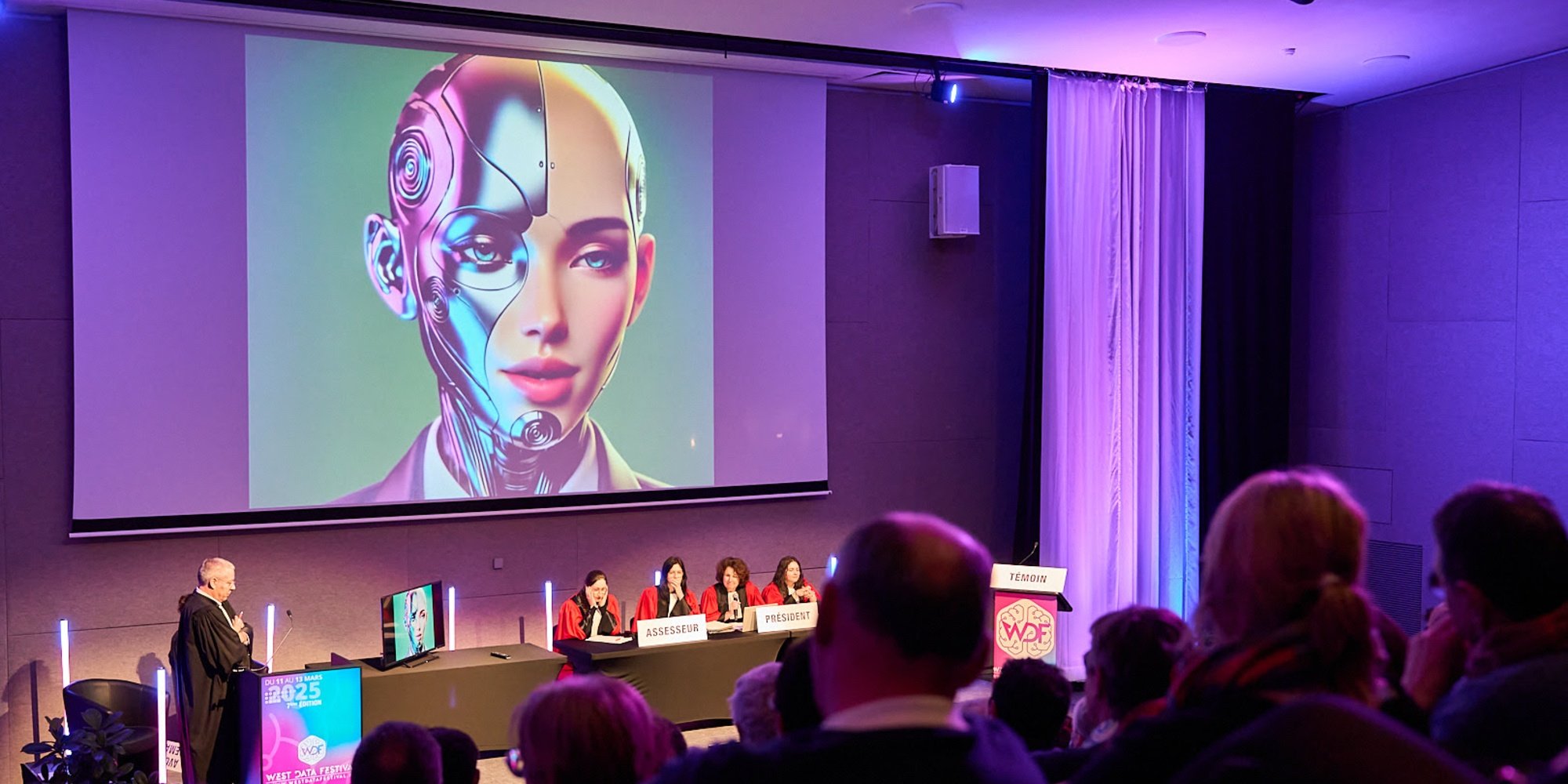
Replay West Data Festival: A Trial of Artificial Intelligence with Real Stakes

Epitech Awards Degrees to its 2024 Class Under the Patronage of Isabelle Fraine

As 40% of Jobs Could Be Impacted by AI, UNCTAD Calls for International Cooperation

The World According to AI, an Exhibition Between Art and Technology at the Jeu de Paume

ESSEC Business School Launches the Grand Prix ESSEC AI for Responsible Leadership 2025

CNRS invites you to participate in its national citizen consultation on the role of mathematics in society

IONIS Education Group Launches a Research and Excellence Center in Generative AI Dedicated to Pedagogy and Education

NextGenAI: OpenAI invests $50 million to accelerate academic research

Epitech continues its international expansion with the opening of a campus in Côte d'Ivoire
About AI, Work & Society
What it is about
AI is no longer a distant promise but a tool embedded in daily professional life. It transforms work on three levels: the automation of tasks, the augmentation of workers' capabilities, and the emergence of new occupations. Unlike previous technological shifts, AI now reaches expertise and analysis functions, not only routine work. Knowledge jobs, managers and specialists see parts of their analytical workload potentially absorbed by systems, while new occupations and skills emerge.
Issues and debates
Three debates run through public discussion. Inequality: automation advances differently across sectors, qualification levels and geographic areas, and some groups are more exposed. AI may widen gaps by reinforcing very high- and very low-paid jobs, while intermediate positions erode. Training: access to AI-related qualification remains insufficient, creating a risk of divide between those who adapt and the rest. Finally, regulation and governance: how can these tools be framed to maximise benefits while mitigating risks? Social dialogue between employers, workers and public authorities has become a key lever.
European regulation and framework
At European level, the AI Act provides the regulatory framework, with progressive entry into force according to risk levels. The European Commission, member states and labour ministries shape the contours of this transformation. National data protection authorities and sector regulators oversee the impact within their fields. International institutions document these shifts and facilitate the exchange of good practice. Across countries, social dialogue structures the response: trade unions, employer organisations and public authorities seek to jointly build an answer that preserves social cohesion.
What ActuIA tracks
We follow how AI concretely reshapes occupations and organisations, the debates on training and reskilling, the evolution of European regulation and its impact on recruitment and human resources management, and policies supporting vulnerable workers. We also document the emergence of new AI-related occupations and the governance and social dialogue stakes around this transformation.