

Intelligence artificielle
Complete guide
What is artificial intelligence and how does it work?
Artificial intelligence (AI) refers to computer systems capable of performing tasks that normally require human intelligence. These systems use algorithms to process large amounts of data, recognize patterns, and make decisions, often faster and with greater accuracy than humans.
History and evolution of artificial intelligence
Since its inception in the 1950s, AI has undergone several phases of development, marked by technological advances and periods of stagnation. Today, thanks to increased computing power and access to massive data volumes, AI is experiencing unprecedented growth.
Applications and use cases of artificial intelligence
AI is used in many sectors, notably in energy, where it optimizes infrastructure management, and in medicine, where it improves diagnostics and treatments. In defense, companies like Helsing develop AI-based technologies to enhance security.
Actors and ecosystem of artificial intelligence
Major tech companies like AMD and research organizations like CEA play a key role in AI's evolution. Government support, such as the OpenEuroLLM initiative backed by the European Commission, is also crucial for AI development.
Technical challenges and limitations of artificial intelligence
Despite its advances, AI faces challenges such as energy consumption and the need for robust infrastructures. The interdependence between AI and energy, highlighted by the IEA, is an example of these complexities.
Training and skills in artificial intelligence
To meet growing demand, specialized AI training is available, ranging from university courses to professional certifications. Initiatives like those by Pearltrees aim to integrate AI into education to prepare future generations.
Trends and perspectives in artificial intelligence
AI continues to evolve, with innovations expected in foundational models like OpenEuroLLM. Transparency and digital sovereignty are key issues for the future of AI in Europe.
Business impact and transformation
AI transforms businesses by optimizing processes and creating new business opportunities. According to iCIMS, it redefines recruitment practices, while massive investments, such as those announced by Emmanuel Macron, support its development.
Frequently asked questions
What is artificial intelligence and how does it work?
Artificial intelligence refers to systems capable of performing tasks that require human intelligence, using algorithms to process data and make decisions.
What are the main applications of artificial intelligence?
AI is used in energy, medicine, defense, education, and many other sectors to optimize processes and improve efficiency.
How has artificial intelligence evolved in recent years?
AI has experienced growth thanks to increased computing power and access to large amounts of data, allowing significant advancements in its applications.
Who are the key players in artificial intelligence?
Companies like AMD and organizations like CEA, along with government initiatives, play a central role in AI development.
What are the future trends of artificial intelligence?
Innovations in foundational models, transparency, and digital sovereignty are key trends for the future of AI.
How to train in artificial intelligence?
AI training is available in universities, professional certifications, and educational initiatives like Pearltrees.
What are the technical challenges of artificial intelligence?
Challenges include energy consumption, the need for robust infrastructures, and interdependence with the energy sector.
How does artificial intelligence impact businesses?
AI optimizes processes, redefines recruitment practices, and creates new business opportunities, supported by massive investments.
on the same theme
8 in total
Why the rumor of a Meta cloud is sinking neoclouds

JPMorgan and Goldman Sachs join a pre-revenue AI round at $41B

In Lille, “L'IA avec nous” Tests the Promise of a European Valley of Applied AI

Solaria-3: Gladia leads in production audio, according to its own measurements

Machine unlearning: Google Research validates an audit test, but not yet on LLMs

Robotaxi in London: Uber-Wayve bet on fleet/software separation, Waymo on vertical integration
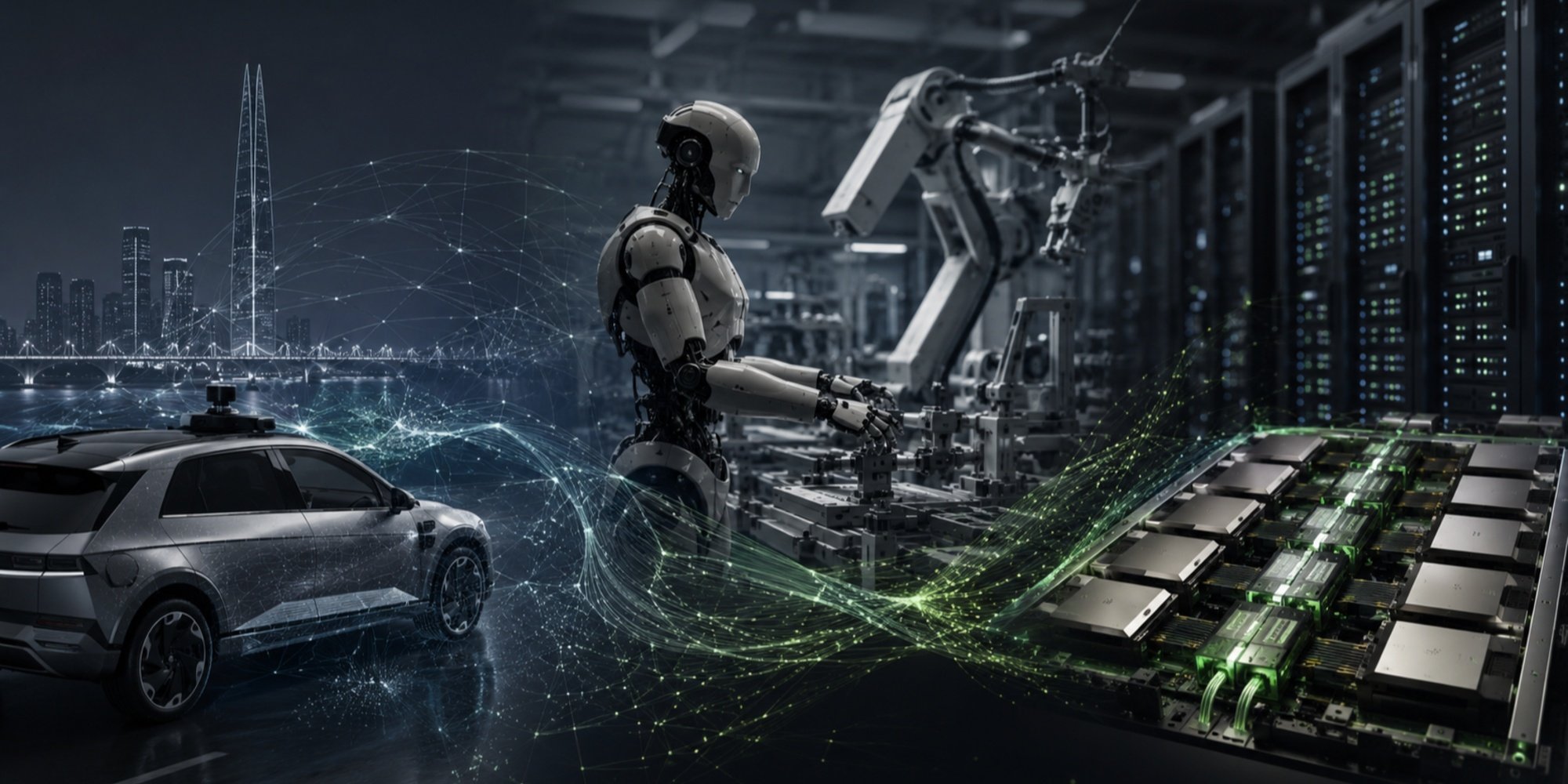
Nvidia in South Korea: Open License, Proprietary Silicon - the Isaac Platform Model