

Analytical and predictive AI
Analytical and predictive AI identifies patterns in historical data to anticipate future trends and events. This capability is reshaping how decisions are made, but it raises pressing questions around bias, transparency and the protection of personal data.
Articles
10 in total
What has become of InstaDeep, three years after its record takeover by BioNTech?

GPT More Confident on Difficult Tasks Where It Makes the Most Mistakes, According to a USC/Berkeley Preprint
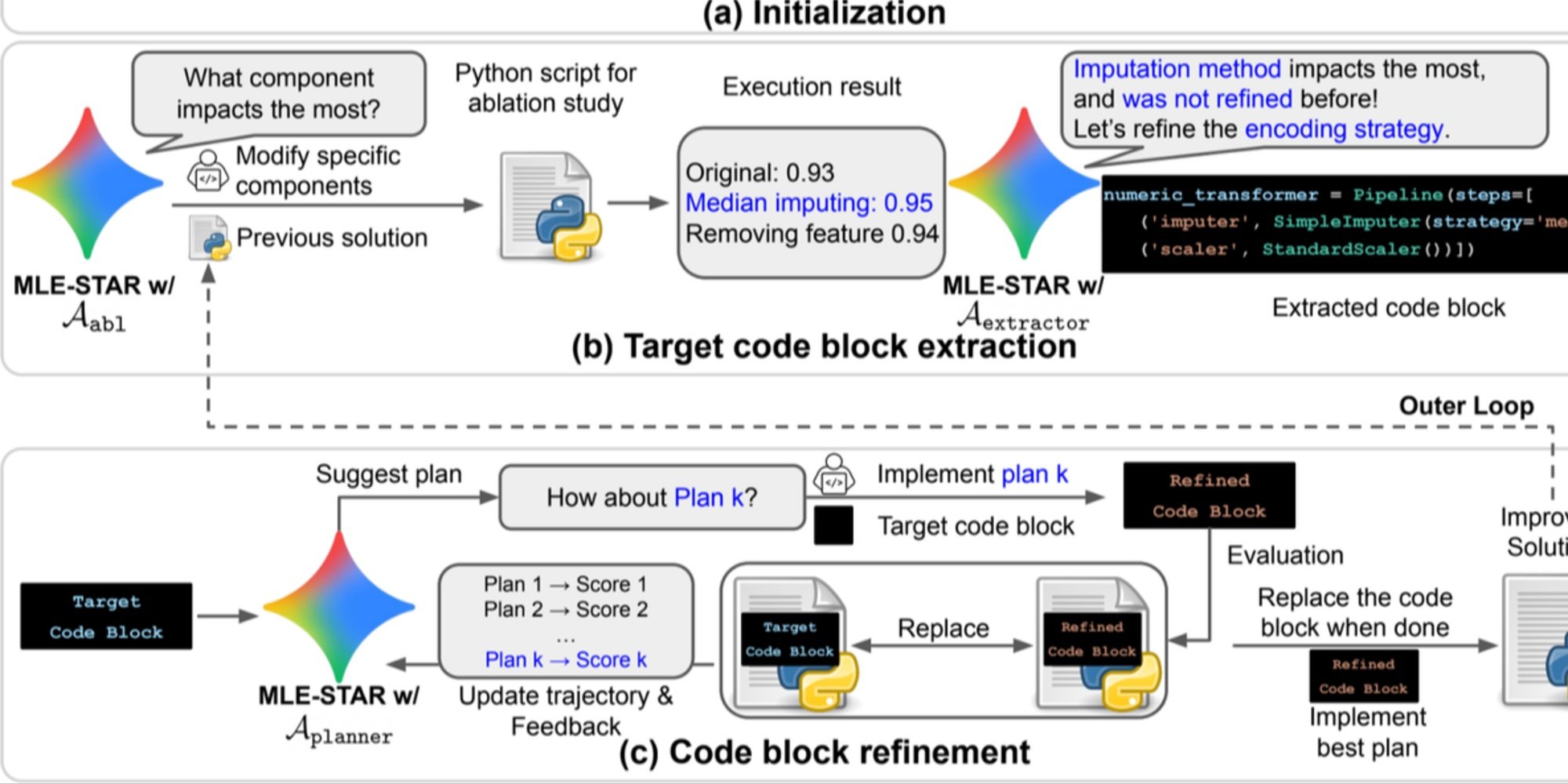
Google Introduces MLE-STAR: A New Approach for Machine Learning Engineering
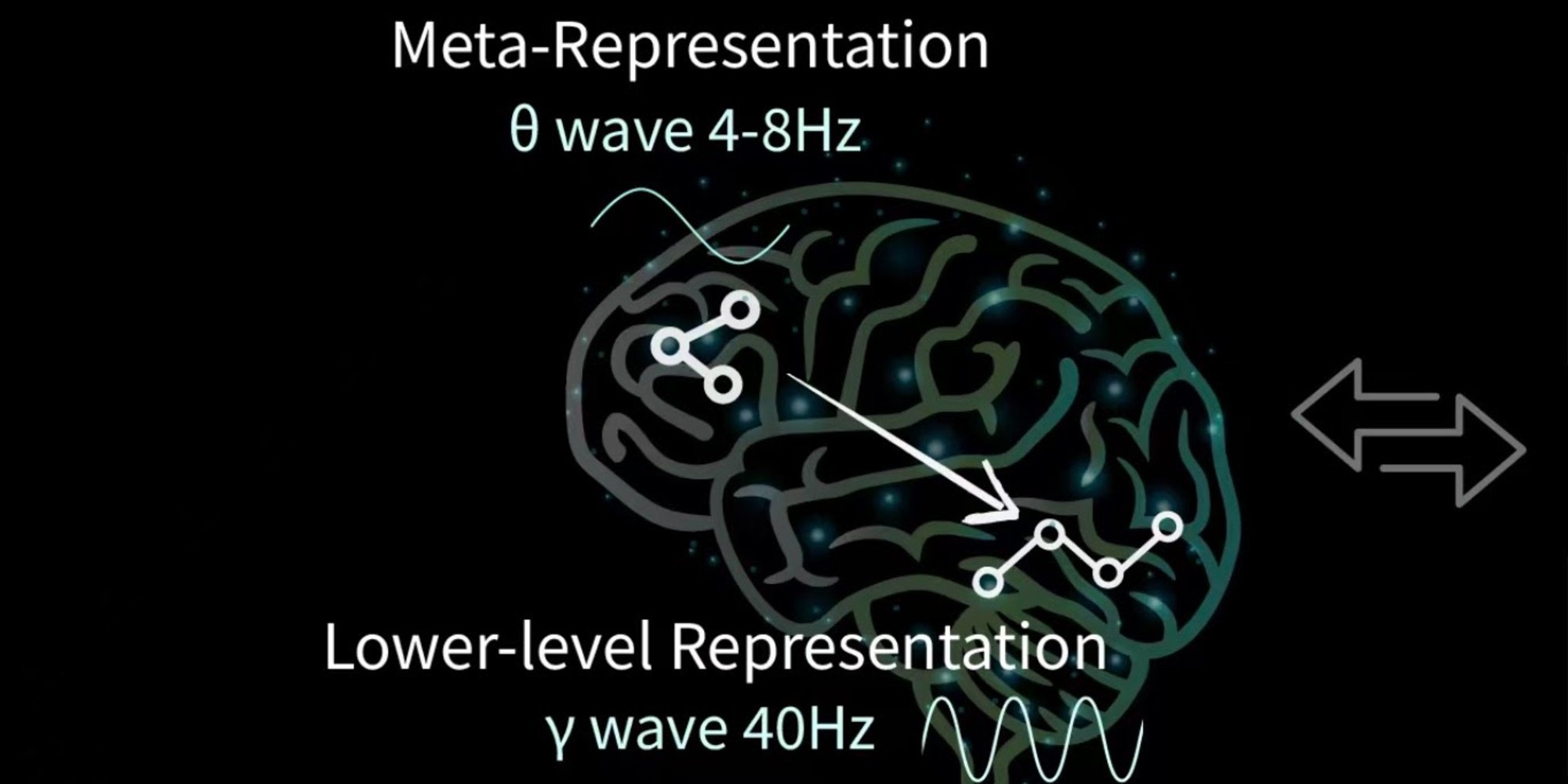
Promising Alternative to Chain-Of-Thought: Sapient Bets on a Hierarchical Architecture

Observing Without Disturbing: When AI Joins Alpine Wildlife Study

Release of Scikit-learn 1.7: Towards a Smoother and More Efficient Experience

DVPS: Rethinking Multimodal AI through Direct Interaction with the Real World

ML Drift: Facilitating Local Inference

LightOn launches GTE-ModernColBERT: a breakthrough for information retrieval augmented by multi-vector models

AI and NLP: EuroBert, the Multilingual Encoder Serving European Languages
About Analytical & Predictive AI
What it covers
Analytical and predictive AI relies on machine learning and statistical models to analyse large volumes of data and uncover complex patterns. Unlike generative AI, which produces content, these systems process existing data to anticipate future outcomes, reveal hidden trends and support decisions. Fed by years of historical data, they detect correlations that escape human perception, turning intuition into method and data into a decision-making asset.
Issues and debates
Analytical and predictive AI concentrates several major tensions. First, the problem of algorithmic bias: these systems reproduce and amplify the biases present in the data that feeds them, which can entrench discrimination. Next, the question of transparency: when an automated decision affects an individual, how can the workings of the algorithm be explained in an intelligible way? A third issue concerns the protection of personal data, often voluminous and sensitive, collected and exploited on a large scale. Finally, the debate centres on human oversight: how far should decision-making be automated without removing people from critical choices?
European regulation and framework
In Europe, the regulatory framework has tightened. The AI Act classifies AI systems according to their level of risk, with graduated obligations on transparency and documentation for high-risk systems. The GDPR governs the use of personal data and converges with the AI Act to ensure AI that respects fundamental freedoms. National data protection authorities drive the debate on algorithmic bias and the risks of discrimination, while the European Commission oversees how the regime is applied. These frameworks require stronger human oversight for sensitive decisions.
What ActuIA tracks
ActuIA covers the subject from three angles. Technical advances: how algorithms are improving and how organisations are refining their predictions. Regulatory and ethical debates: how authorities are framing these technologies and how society is positioning itself on questions of bias and control. And sector applications: how predictive analytics is reshaping ways of working in finance, healthcare, logistics and human resources.