

AI in the media
Artificial intelligence is reshaping how news is produced and how editorial work is managed. It streamlines repetitive tasks and strengthens the analytical capacity of newsrooms, while raising questions about editorial transparency, disinformation and the economic sustainability of the sector.
Are you a journalist or media professional?
Follow every artificial-intelligence development in this sector — articles, briefs and signals — gathered in your personal feed. Free, ad-free.
About the sector
Concrete uses
In newsrooms, AI automates time-consuming tasks: transcribing interviews and videos, generating factual reports such as sports results or economic data, and producing real-time wire copy. It strengthens media monitoring by analysing social networks, public documents and databases simultaneously. Automated comment moderation eases the workload of teams. Personalisation makes it possible to segment information according to readers' interests. Finally, AI accelerates investigative journalism by surfacing patterns within massive corpora.
Issues and limits
These applications raise major tensions. Editorial transparency becomes critical: readers must know when content is generated. The risk of disinformation intensifies as synthetic texts and images grow increasingly convincing. A flattening of discourse looms if newsrooms rely on the same models. Legal disputes between AI providers and media outlets are multiplying over the use of journalistic content for training. Economically, media organisations fear that AI will undermine their business model.
Regulation and the European framework
Across Europe, several layers of oversight apply. Data protection authorities supervise compliance with the GDPR. National media regulators are responsible for the impact of AI on audiovisual and digital services, in particular recommendation algorithms and moderation. The European AI Act sets graduated requirements according to risk, with mandatory labelling of synthetic content. At national level, competition authorities monitor unfair commercial practices.
What ActuIA is tracking
ActuIA observes how media outlets integrate AI while preserving public trust. We follow regulatory developments, disputes over the intellectual property of content, the emergence of new journalistic ethics, and experiments in editorial transparency.
Articles
10 in total
OpenAI will watermark ChatGPT in the EU but leaves the API opt-in

Anthropic: five Claude abuses linked to France and Francophone Africa

OpenAI agents on a wiki: European Commission confirms report

The Eternaut: Netflix Uses Generative AI for the First Time in an Original Production
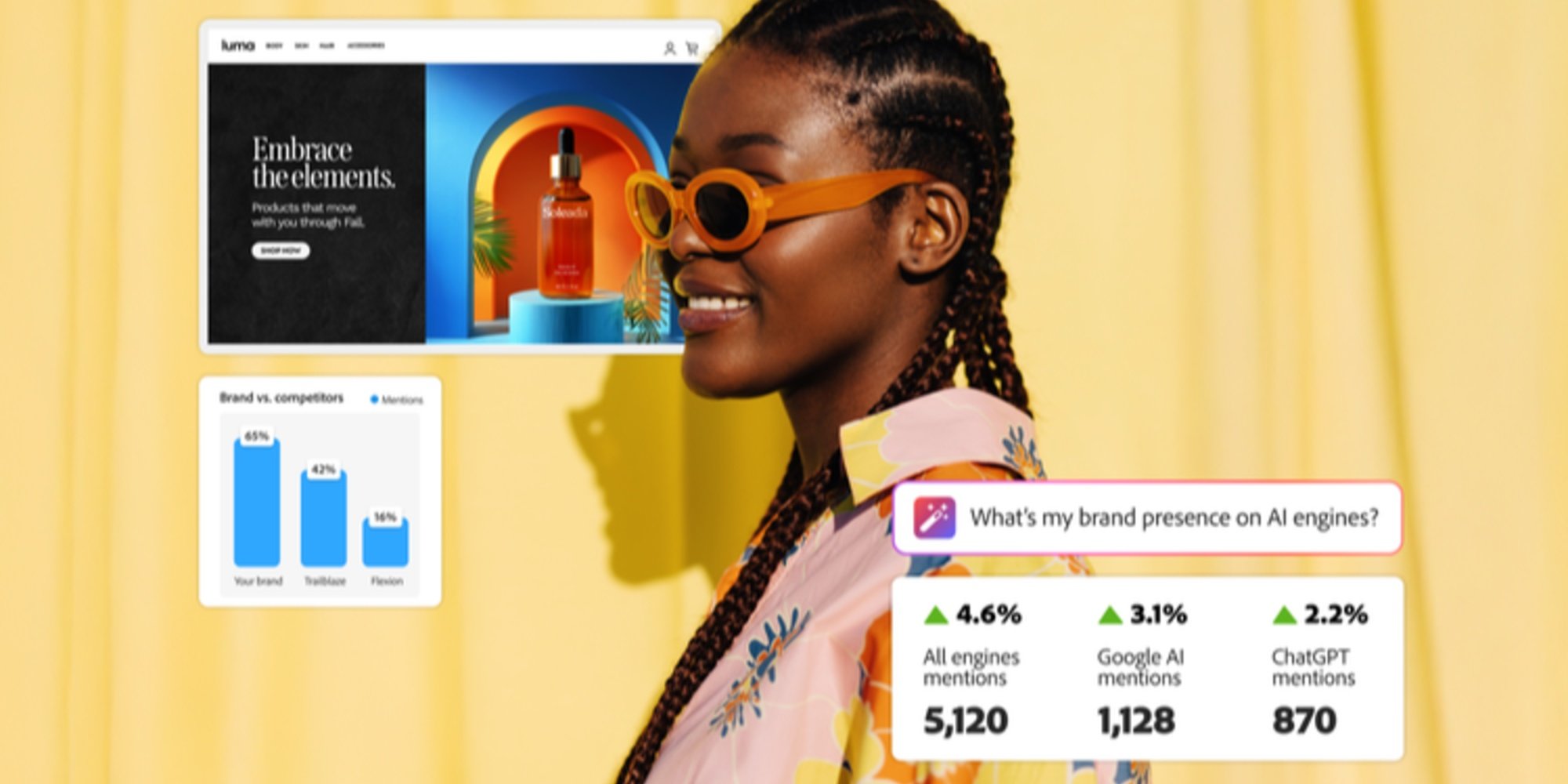
Adobe LLM Optimizer: Rethinking Brand Visibility in the Age of Generative Search

AI and Creative Employment: Insights from Autodesk's First "AI Jobs Report"

Automated Video Post-Production: Aive Raises 12 Million Euros

Croquette Crew, the 100% AI Rap Music Video by GenIArt Collective, Awarded at AI Film Awards Cannes 2025

Towards a New Era of Storytelling: After Gen-4, Runway Launches Gen-4 Turbo