

AI in culture
Artificial intelligence is making its way into every cultural field, from music composition to the restoration of heritage archives. Between creative opportunities and the risk of standardisation, the sector is navigating between tool adoption and the preservation of artistic authenticity.
Do you work in culture or the creative industries?
Follow every artificial-intelligence development in this sector — articles, briefs and signals — gathered in your personal feed. Free, ad-free.
About the sector
Concrete uses
Music production draws on AI to compose original scores, assist with harmonic structure or generate arrangements. In film and audiovisual work, AI automates repetitive tasks, creates previsualisations and refines visual effects, giving independent creators access to capabilities once reserved for large studios. Literary translation benefits from assisted tools. Heritage gains through digitisation: text recognition on old documents, automatic indexing of archives. Cultural institutions are exploring generative AI to better structure their resources and make them accessible.
Stakes and limits
Machine translation struggles to preserve stylistic nuance and emotional subtlety. Cinematic AI lacks narrative coherence without substantial human intervention. Training data, dominated by Western corpora, creates cultural biases that marginalise non-dominant heritages. Using copyrighted works to train models raises the question of how creators are compensated and triggers major disputes.
Regulation and the European framework
National regulators are shaping strategies on AI to protect cultural sovereignty. Data protection authorities have issued recommendations on applying the GDPR to AI systems, guaranteeing creators the right to object to the use of their works in training. Media oversight bodies monitor the labelling of AI-generated content and the traceability of works. The European AI Act sets out a framework for transparency and accountability. Legislative proposals aim to reverse the burden of proof, requiring AI providers to demonstrate that they have not used protected works.
What ActuIA is tracking
ActuIA follows the evolution of creators' rights in the face of AI training, the rollout of mandatory labelling for generated content, and the real impact on creative professions. We track the tensions between democratic access to creation and the erosion of revenues, and the building of cultural data governance that preserves diversity and pluralism.
Articles
3 in total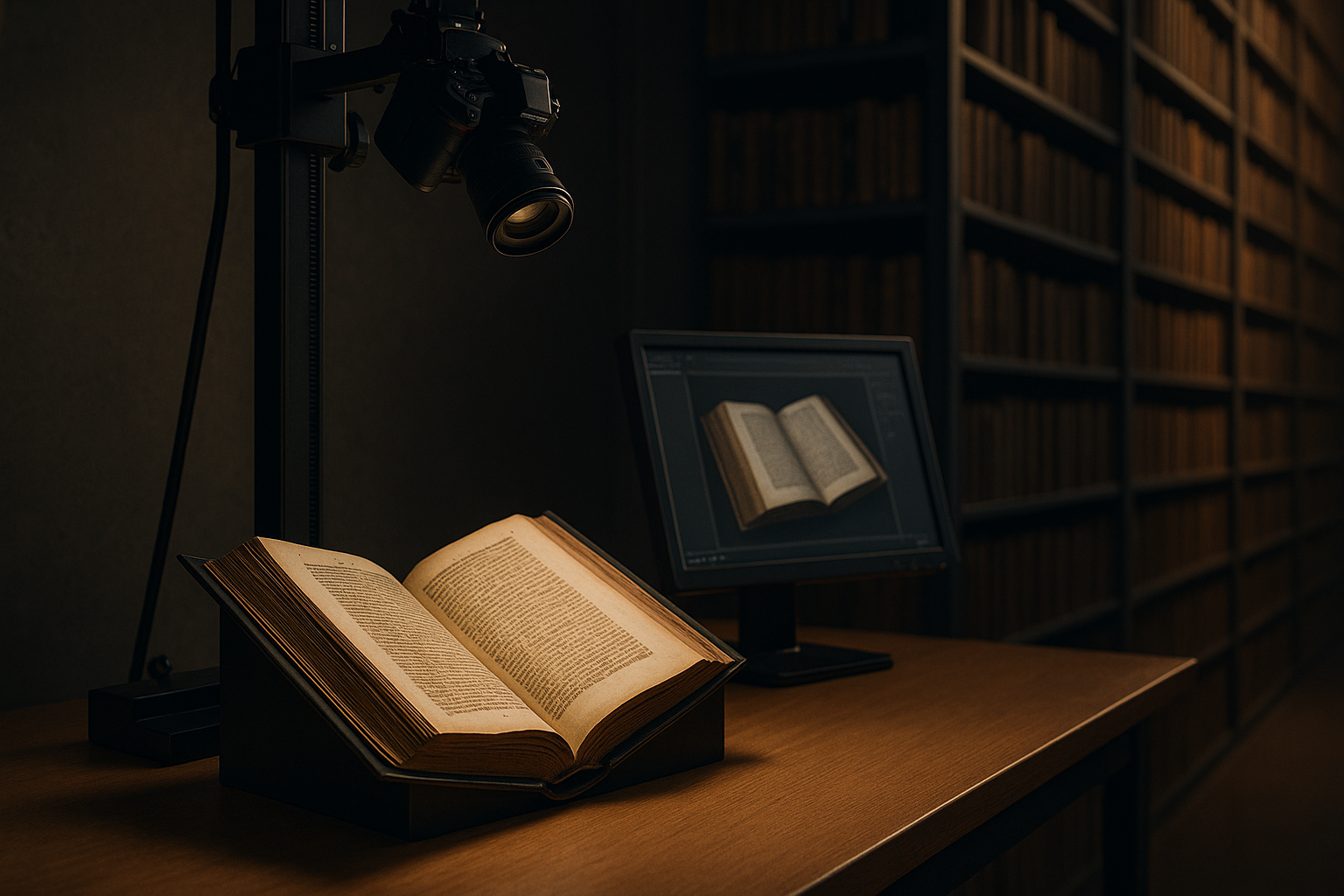
France's Court of Audit: culture ministry AI plan lacks timeline, budget
AI and Creative Employment: Insights from Autodesk's First "AI Jobs Report"