
AI in the energy sector
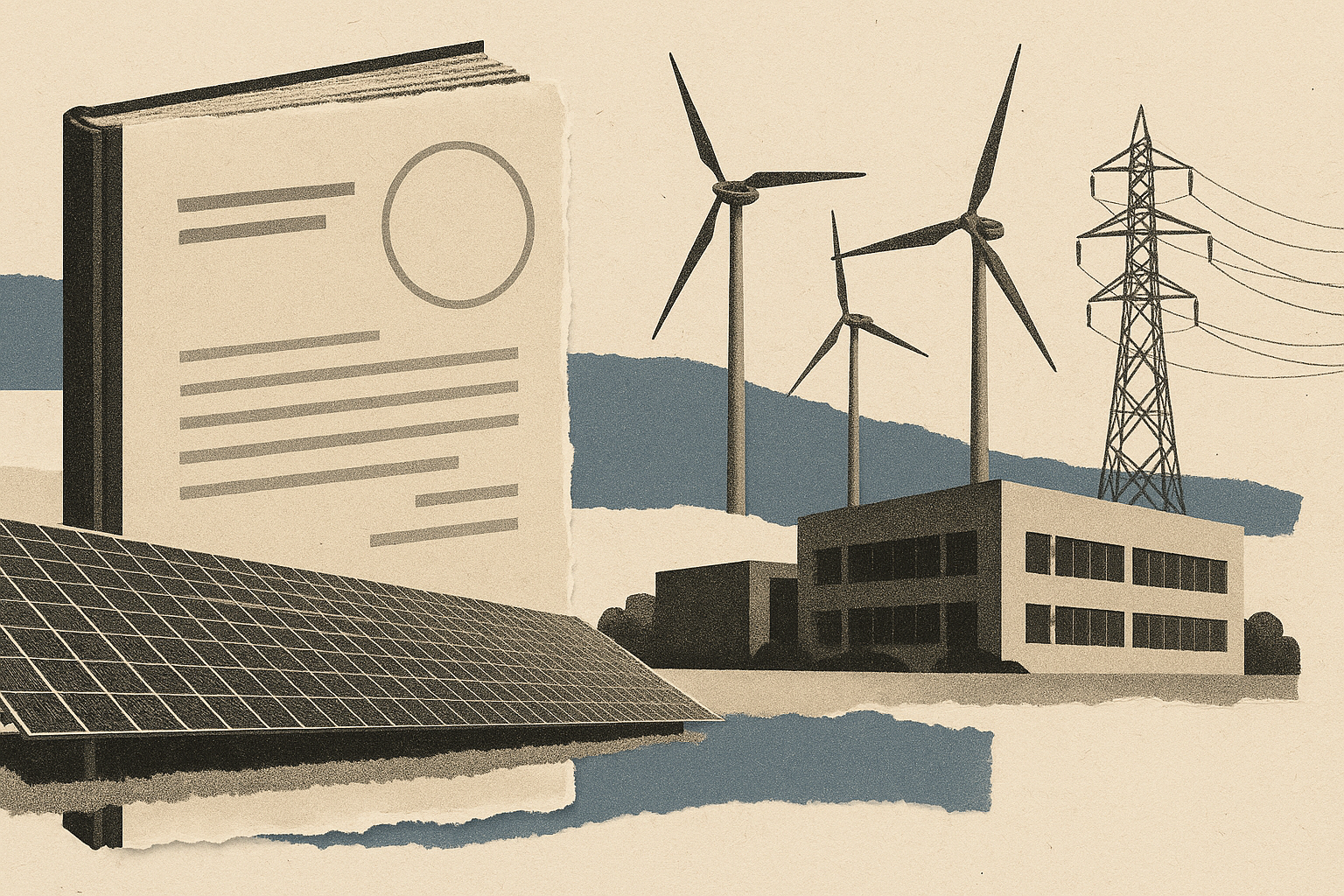
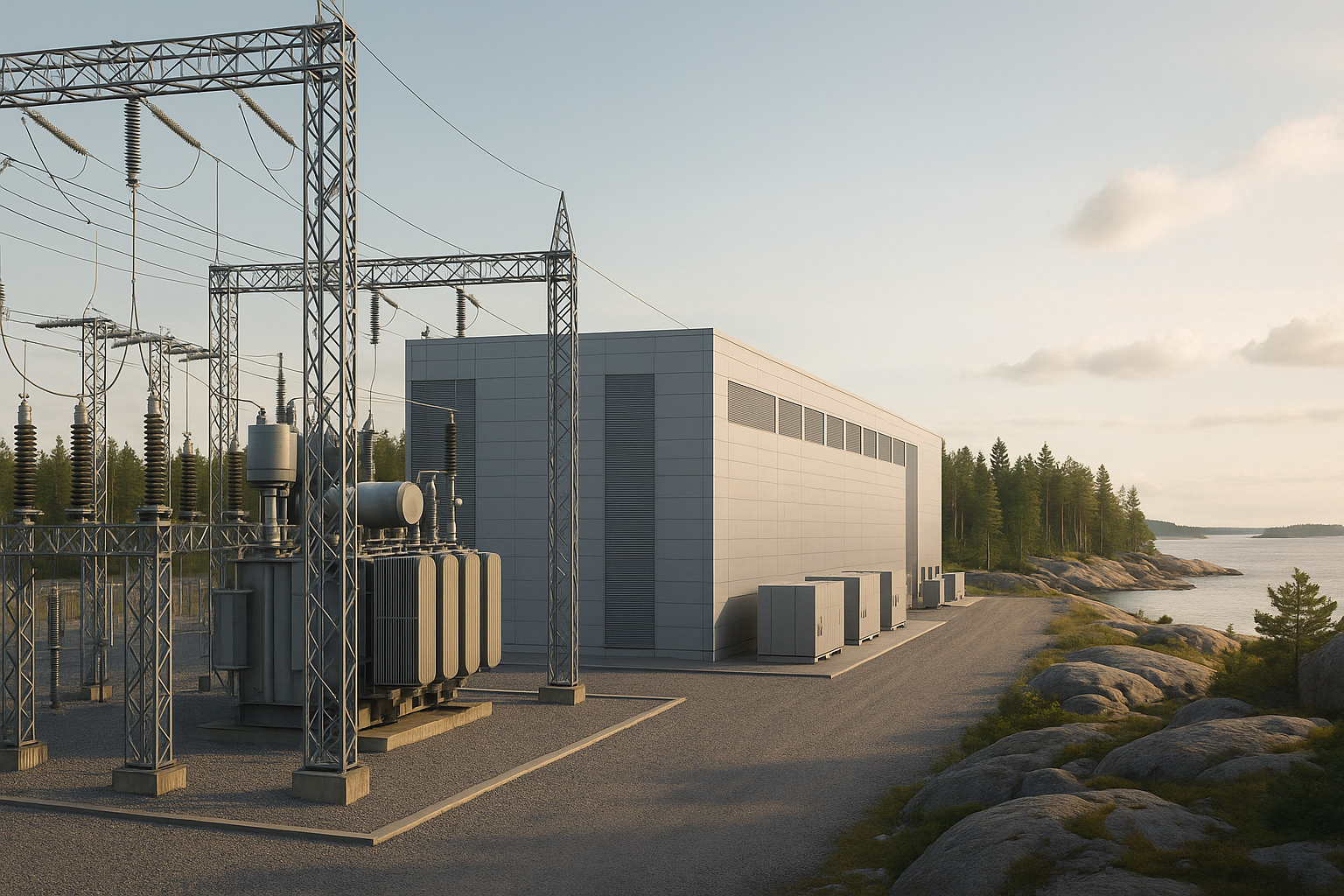
Artificial intelligence is becoming a key tool for managing decentralised power grids and curbing energy losses. Its rollout nonetheless raises questions around critical security, data governance and the overall energy footprint of the technology itself.
Are you an energy professional?
Follow every artificial-intelligence development in this sector — articles, briefs and signals — gathered in your personal feed. Free, ad-free.
About the sector
Concrete use cases
AI balances supply and demand on smart grids in real time, absorbing the intermittent output of renewables. It anticipates electricity consumption by combining weather data, seasonal habits and external events, allowing operators to forecast needs hour by hour.
In buildings and industrial sites, algorithms optimise thermal consumption and align energy-hungry operations with peaks in renewable production. Predictive maintenance flags failures before they occur, extending the lifespan of wind and solar installations. Energy storage benefits from intelligent management of charge and discharge cycles.
Challenges and limits
Deploying AI in energy comes with structural challenges. The energy consumption of AI infrastructure itself is growing fast, raising the question of the balance between efficiency gains and rising usage. Security is a critical concern: systems managing sensitive infrastructure expose grids to cyber-attacks or algorithmic manipulation.
Bias in training data can lead to decisions poorly suited to the field. Model transparency often remains limited, complicating audits and corrections. Finally, processing consumption data raises privacy questions, particularly when AI analyses households' energy habits.
Regulation and the European framework
The European regulatory framework governs the deployment of AI in energy. The AI Act classifies certain systems operating on critical infrastructure as high-risk, subject to strict obligations on transparency and impact assessment. The GDPR safeguards the data collected when consumption is analysed. National regulators oversee the compliance of these processes, while public bodies support an energy transition that integrates AI. Grid operators and distributors are gradually adopting AI tools for optimisation and forecasting.
What ActuIA tracks
ActuIA covers the evolution of AI applications in smart-grid management and energy optimisation. Monitoring the security, compliance and data-governance issues of this critical sector lies at the heart of our coverage, alongside the balance between energy benefits and AI's own consumption.