

Generative AI
Generative artificial intelligence creates original content such as text, images and code from data. Embedded in everyday professional tools, it is reshaping how people and machines work together. The key questions it raises concern intellectual property, disinformation, bias, transparency and regulation.
Articles
47 in total
AI-written requests: balance of power starts to shift towards users in France

Anthropic locks Claude against distillation, clients pay a share

Google's Gemini 4 Argon API to double prices on 1 December

AI API pricing in October 2026: $0.50 to $50 for output
Mistral Large 4: How good is the 'best open model outside China'?

Aleph Alpha's Kolibri: what the Apache 2.0 license guarantees
Inside Anthropic’s Factory: Power, Safety and Values Behind Claude

Who Chooses the Values of Your AI Assistant?

Anthropic forced to suspend Fable 5 and Mythos 5 after a U.S. government directive

Siri AI: Gemini as Teacher, Not Engine — What WWDC Didn’t Say

Same model, different safeguards: what the launch of Claude Fable 5 and Mythos 5 reveals

Claude Opus 4.8: Anthropic Emphasizes a More Honest Model Facing Its Own Errors

OpenAI Unveils GPT-5

OpenAI Returns to Openness with Two Open-Weight Models: GPT-OSS-120B and GPT-OSS-20B
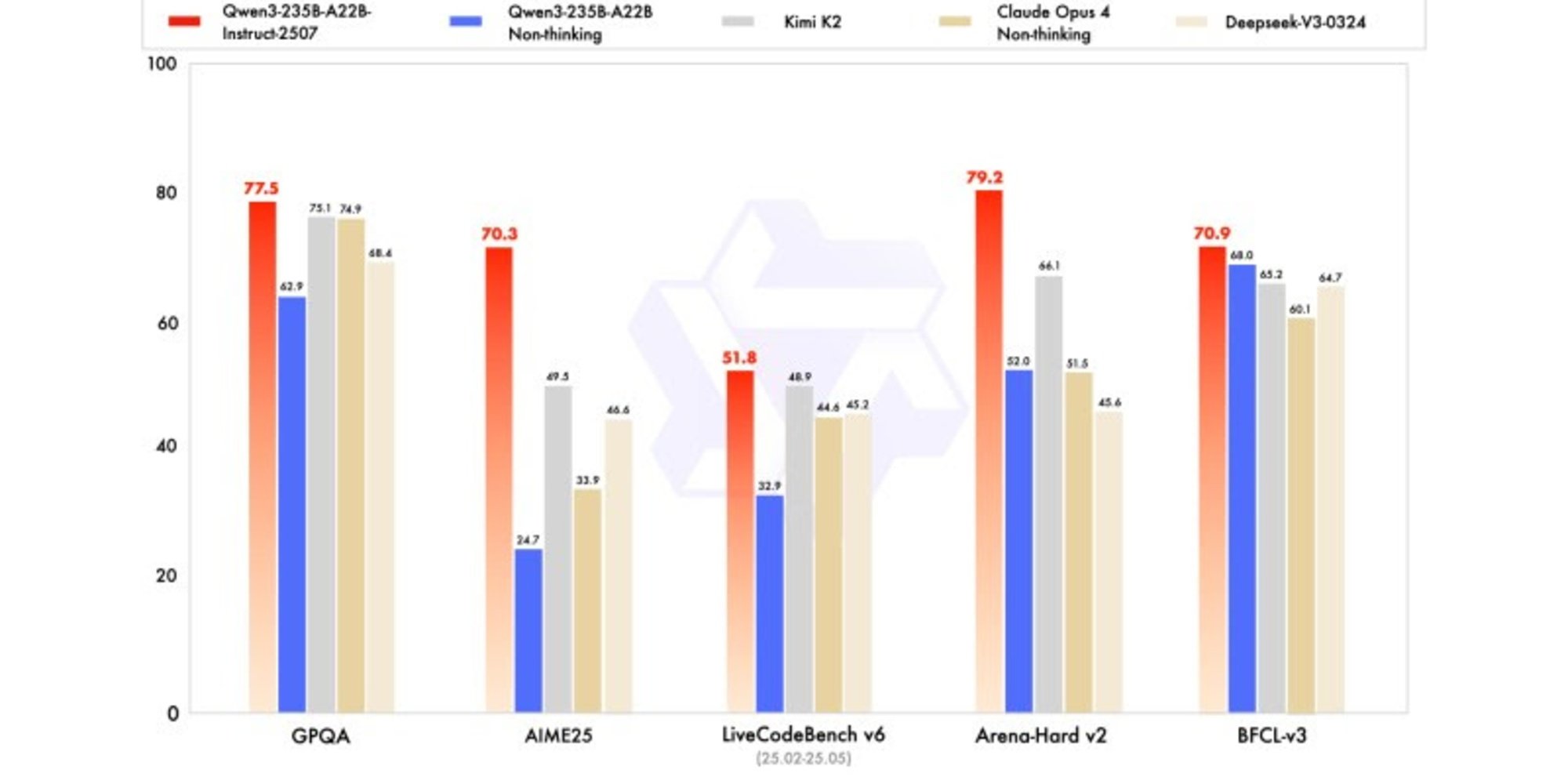
Alibaba launches Qwen3-235B-A22B-Instruct-2507 and breaks away from hybrid reasoning

The Eternaut: Netflix Uses Generative AI for the First Time in an Original Production

Voxtral: Mistral AI Enters the Open Source Voice Model Market
OpenAI Delays Launch of Its Open Weight Reasoning Model Again
The Experimentation of AI-Generated Wikipedia Article Summaries Comes to an Abrupt Halt
Mistral AI Challenges DeepSeek with Magistral, Its First Advanced Reasoning Model

Croquette Crew, the 100% AI Rap Music Video by GenIArt Collective, Awarded at AI Film Awards Cannes 2025

Chatterbox: An Open Source Breakthrough in Speech Synthesis
DeepSeek-R1-0528: The Chinese Start-up Continues to Compete with American Giants with an Update to Its Flagship Model

Anthropic Unveils Claude 4, Its Agents Optimized for Programming and Complex Tasks
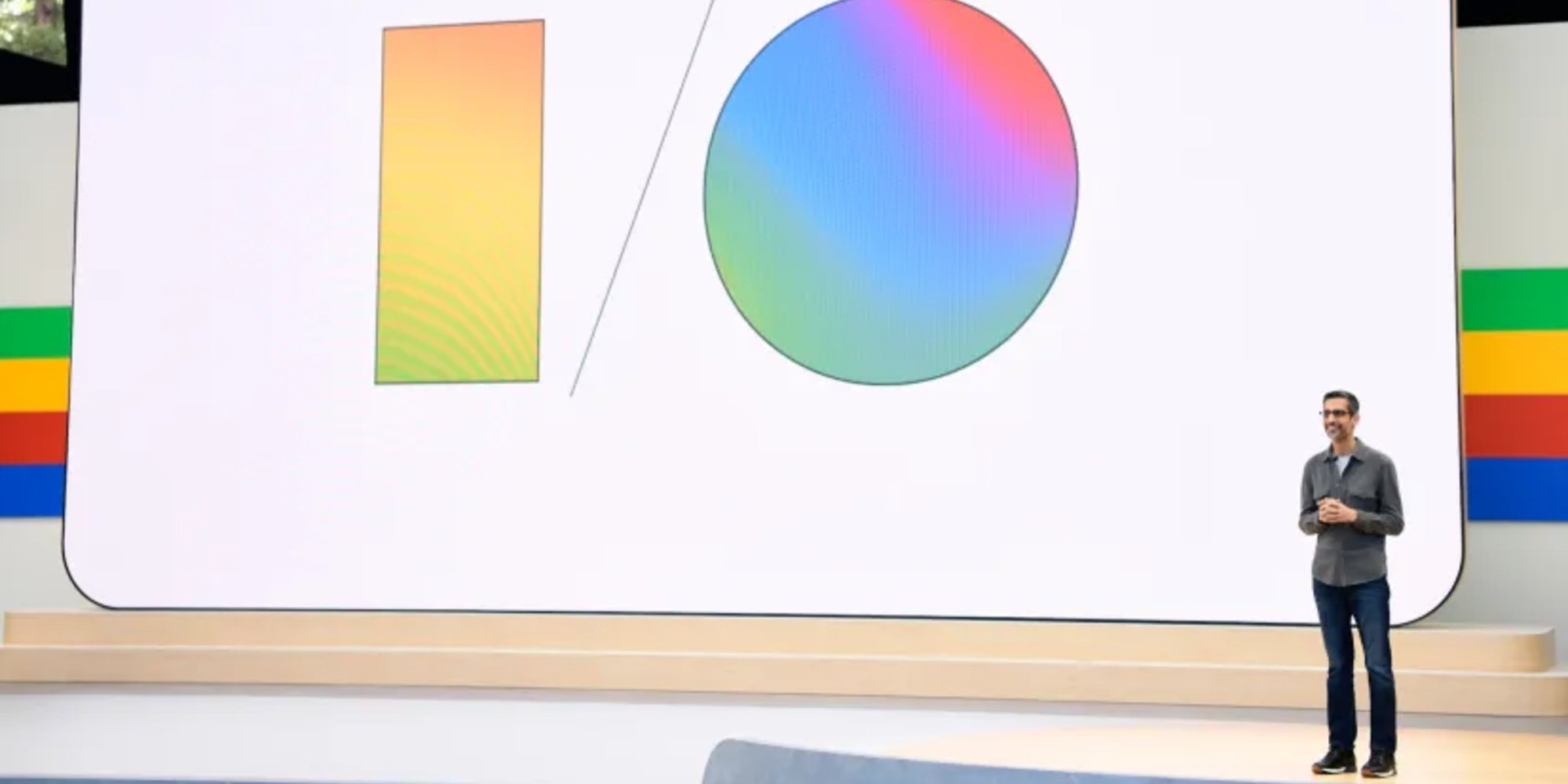
Google I/O 2025: AI at the Heart of the Technological Ecosystem

A Leak Reveals the Entire System Prompt of Claude 3.7 Sonnet

Google Makes NotebookLM's AI Available in Multilingual Version

OpenAI Integrates GPT-Image-1 into its Image API

IBM and ESA Unveil TerraMind, an Open Source Earth Observation Model

Towards a New Era of Storytelling: After Gen-4, Runway Launches Gen-4 Turbo
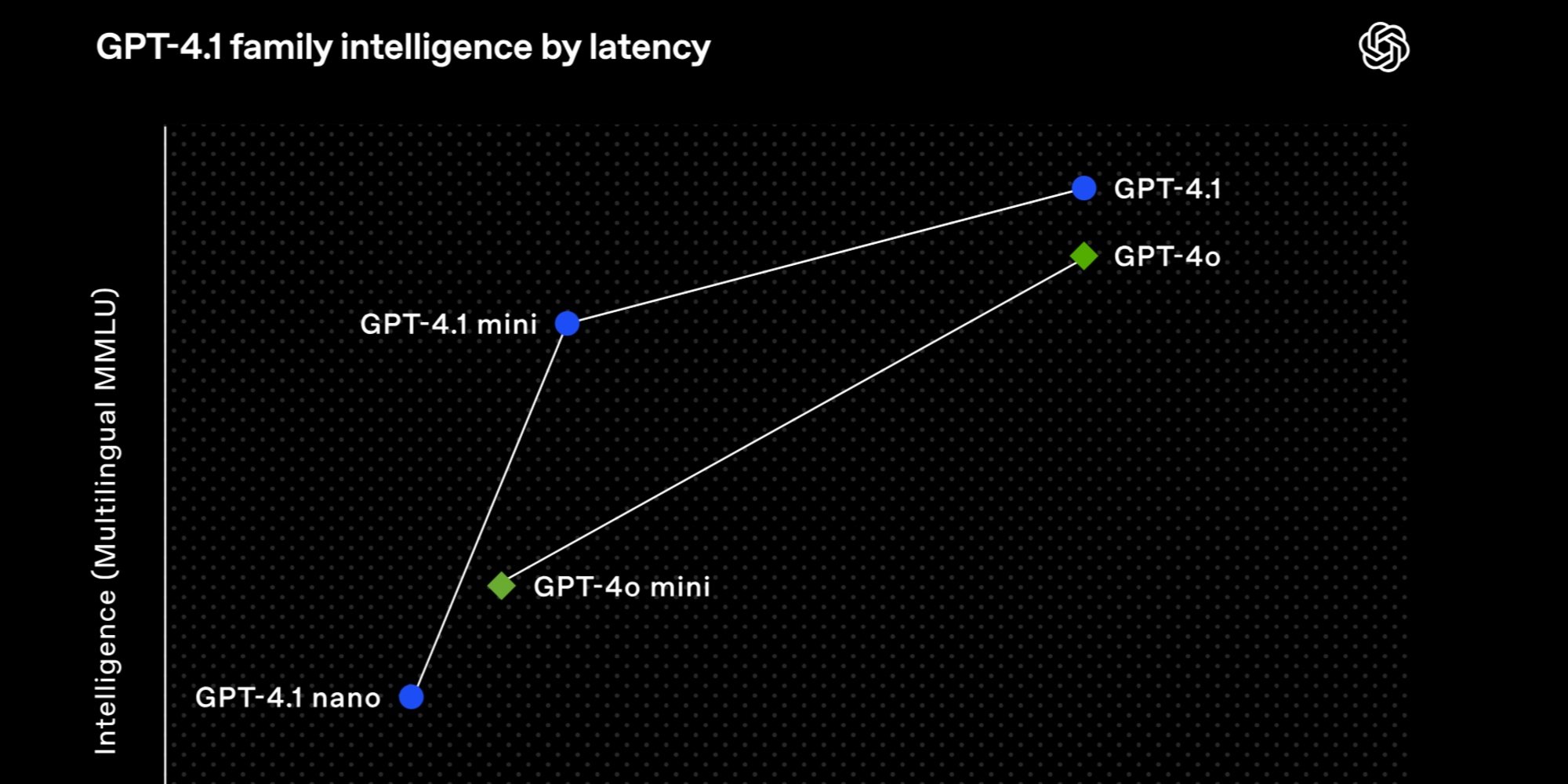
OpenAI announces the launch of GPT-4.1: Focus on coding, instruction following, and extended context management

Towards Enhanced Personalization: If You Wish, ChatGPT Can Now Remember Your Interactions
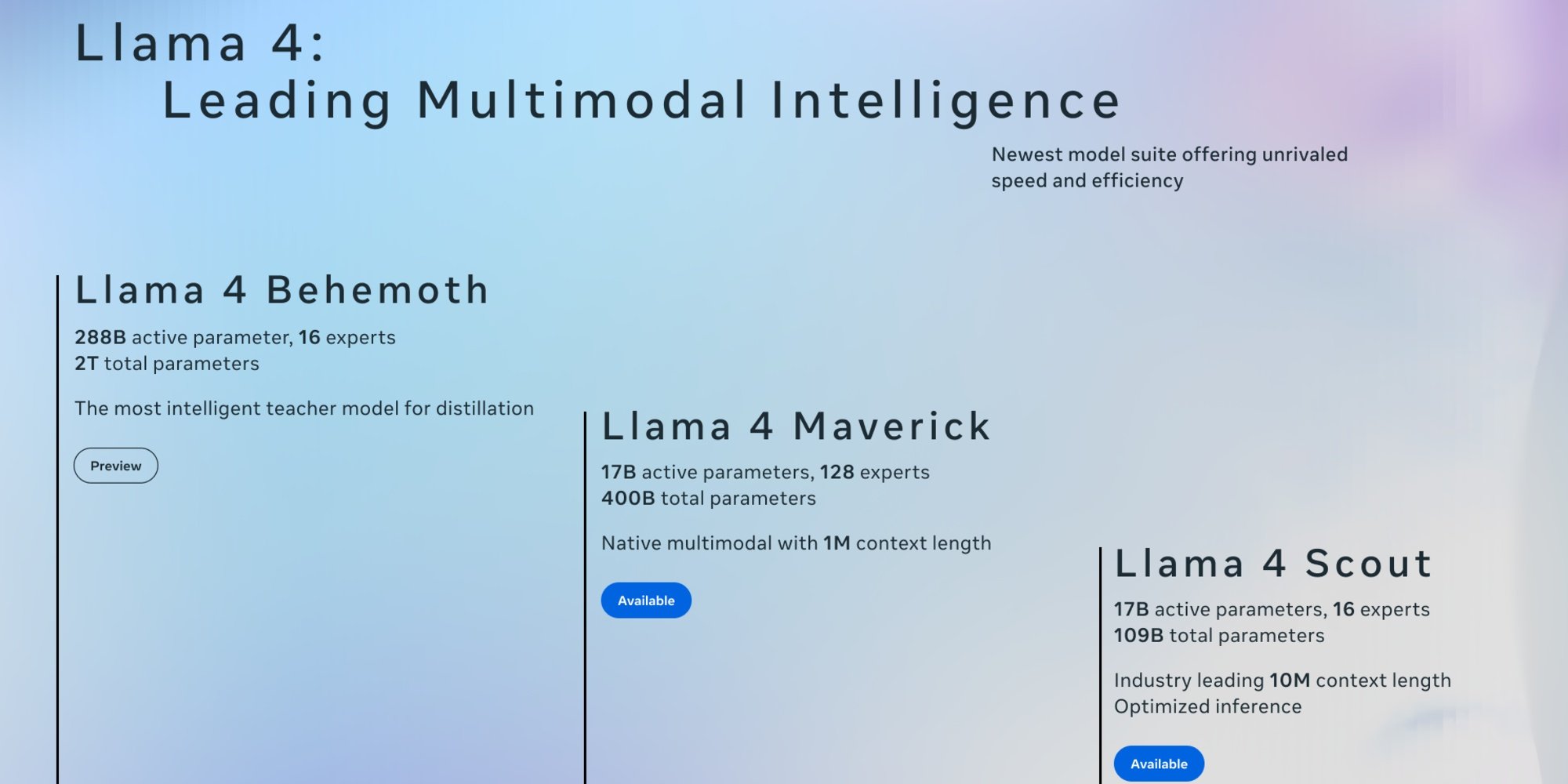
Meta Dominates Multimodal AI with Initial Releases of Llama 4, Scout, and Maverick

Oracle Strengthens Its Distributed Cloud with NVIDIA AI Enterprise Integration
Tencent Launches Hunyuan-T1 Reasoning Model, Rivaling State-of-the-Art
DeepSeek announces a more powerful update of its DeepSeek v3 model

Meta AI Takes Its First Steps in Europe but with Limited Features
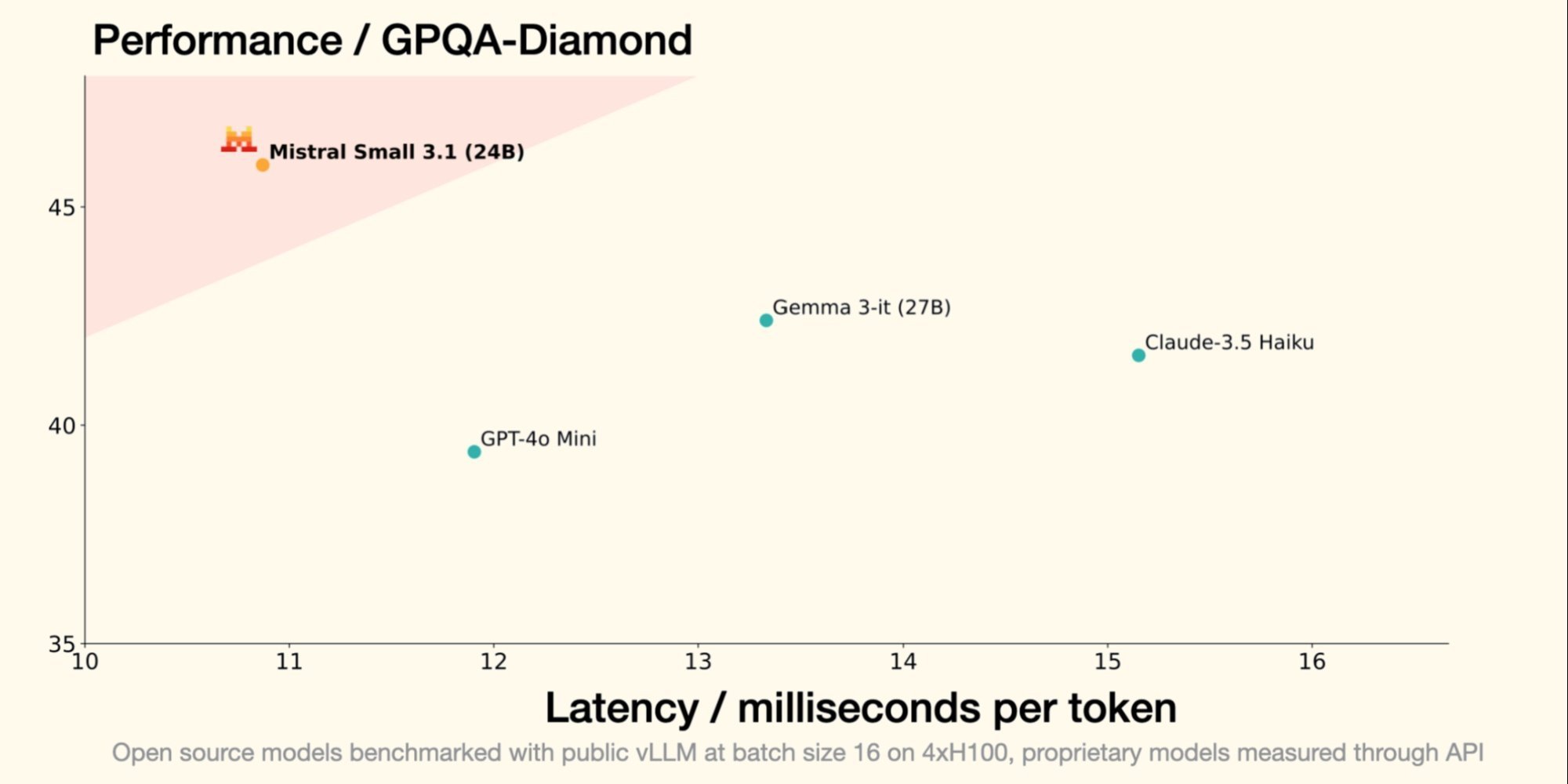
Mistral AI Launches Mistral Small 3.1: A New Benchmark for Open Source AI?

Cohere Unveils Command A, Its Canadian Alternative to American and Chinese Enterprise AI Models
Baidu Accelerates in GenAI with ERNIE 4.5 and ERNIE X1, Two Free Models

Mistral AI launches Mistral OCR: A New Benchmark in Document Understanding
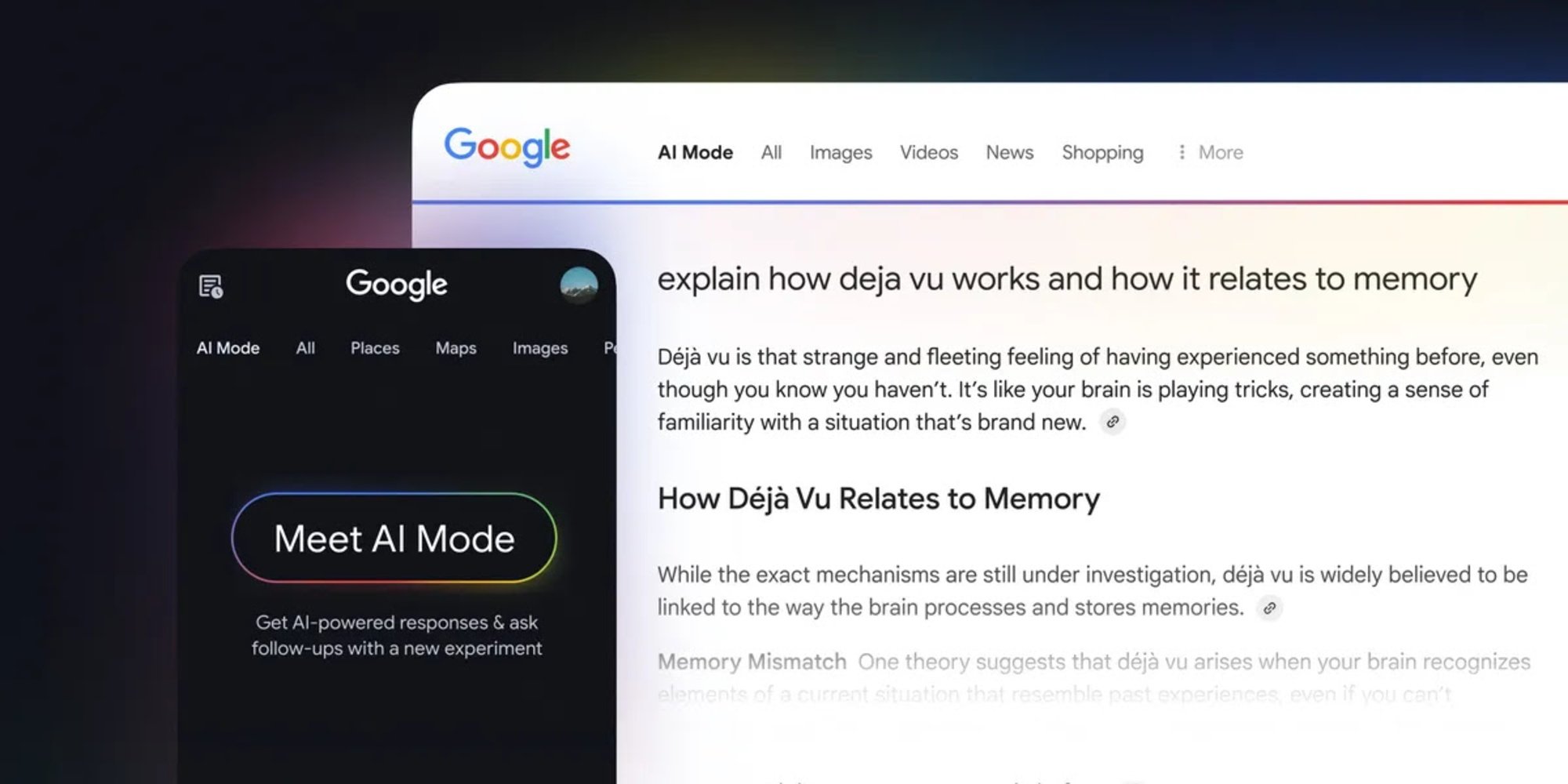
Major Shift in Online Search: Google Announces Update to AI Overviews and Introduces AI Mode

SORA, OpenAI's Generative Video AI, Now Available in France

LightOn Announces the Integration of "Visual RAG" into Its Platform

IBM Unveils Granite 3.2: A Multimodal AI with Advanced Reasoning Capabilities

OpenAI Announces the Release of GPT-4.5 in Preliminary Research Version

Anthropic Introduces Claude 3.7 Sonnet, the First Hybrid Reasoning Model
About Generative AI
What it is
Generative AI refers to a family of systems able to produce new content: text, images, video, source code and synthetic data. Trained on large bodies of material, these models identify patterns and generate relevant responses to specific requests. Unlike classification or prediction systems, generative models are deployed as a cross-cutting layer, gradually woven into business software and giving every function an automated assistant.
Issues and debates
Four issues frame the public debate. Intellectual property: models are trained on content created by people without compensation or explicit consent from authors, raising questions about remuneration and usage rights. Disinformation: the ability to mass-produce plausible content lowers the cost of deception and makes verification harder. Bias: models reproduce and amplify the inequalities present in their training data. Finally, transparency remains fragile: understanding how a model arrives at an answer is still difficult, complicating legal accountability and trust.
Regulation and the European framework
In Europe, the AI Act sets out a risk-based framework. General-purpose models, known as foundation models, face specific obligations: documenting training data, assessing systemic capabilities and preventing prohibited content. Implementation is happening in stages. Data protection authorities clarify expectations on transparency and data handling, while the European Commission steers enforcement. European public authorities are also debating technological sovereignty and the oversight of foundation models.
What ActuIA tracks
ActuIA covers the evolving legal framework, debates over intellectual property and the trade-offs between innovation and protection, advances in model robustness and auditing, pilot projects in the public and private sectors, and controversies over problematic uses such as deepfakes and automated discrimination. We also follow initiatives on transparency and standardisation, as well as open-source alternatives to proprietary models.