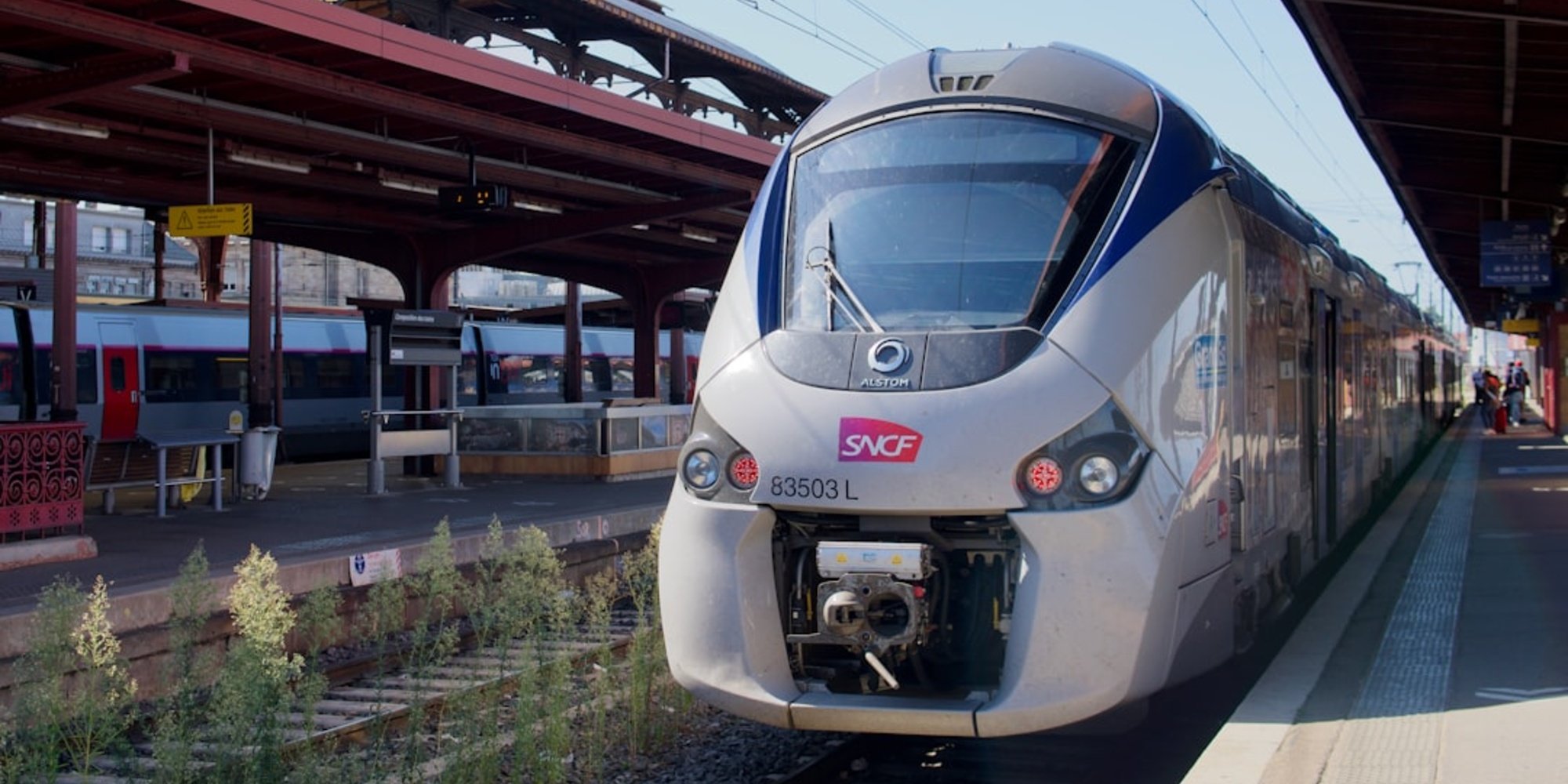

AI in transportation
Route optimisation, predictive maintenance, driver safety: artificial intelligence is taking hold across transport and logistics. Adoption is driven by the search for efficiency, yet it raises questions of reliability, data and employment.
Do you work in transport or logistics?
Follow every artificial-intelligence development in this sector — articles, briefs and signals — gathered in your personal feed. Free, ad-free.
About the sector
Concrete uses
AI is being applied at several stages of transport and logistics operations. Route optimisation, which combines traffic, weather and delivery constraints, cuts unnecessary mileage and empty return trips. Predictive maintenance, fed by onboard sensors, anticipates failures before they occur and limits vehicle downtime.
In urban logistics, AI engines dynamically reorder delivery rounds according to traffic and access restrictions. Document automation speeds up the processing of invoices, declarations and transport manifests. Driver assistance systems, finally, rely on camera vision to detect risky behaviour, such as drowsiness, distraction or unintended lane departures, and to alert the driver.
Challenges and limits
The reliability of algorithms remains central: optimisation systems learn from historical data and reproduce its biases when that data is unbalanced. Interpretability is also at stake, as a logistics manager must be able to explain why a given route was selected, particularly in the event of a dispute.
The handling of personal data and the geolocation of drivers require strict compliance with the GDPR: transparency, reinforced security and limits on reuse. The impact on employment is a social concern: jobs are not disappearing, as the sector faces a structural shortage of drivers, but the nature of tasks is changing and calls for upskilling. The energy footprint of AI systems may, finally, offset part of the environmental gains expected from optimisation.
Regulation and the European framework
Professional bodies in the logistics sector publish reference guides on the adoption of AI, which remains uneven, while major clients tend to impose it as a commercial prerequisite. Data protection authorities oversee the compliance of data processing and are preparing to act as supervisory bodies for high-risk AI systems under the European regulation, the AI Act. Public support schemes back the adoption of these technologies among smaller companies in the sector.
What ActuIA is watching
ActuIA covers technological and regulatory developments in transport: new use cases validated in operation, changes in regulation, debates on social and environmental impact, and feedback from players across the sector.
Articles
9 in total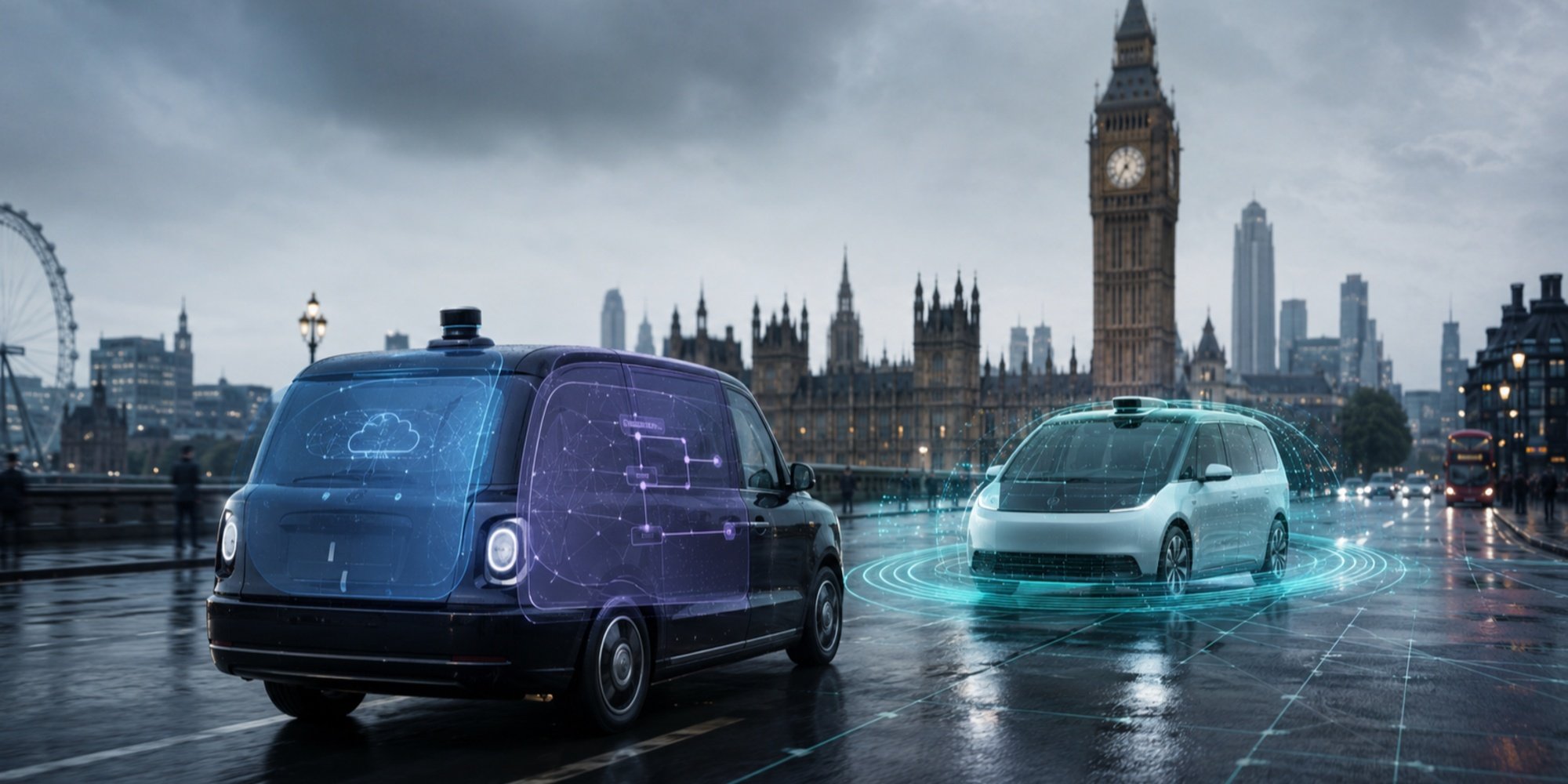
Robotaxi in London: Uber-Wayve bet on fleet/software separation, Waymo on vertical integration
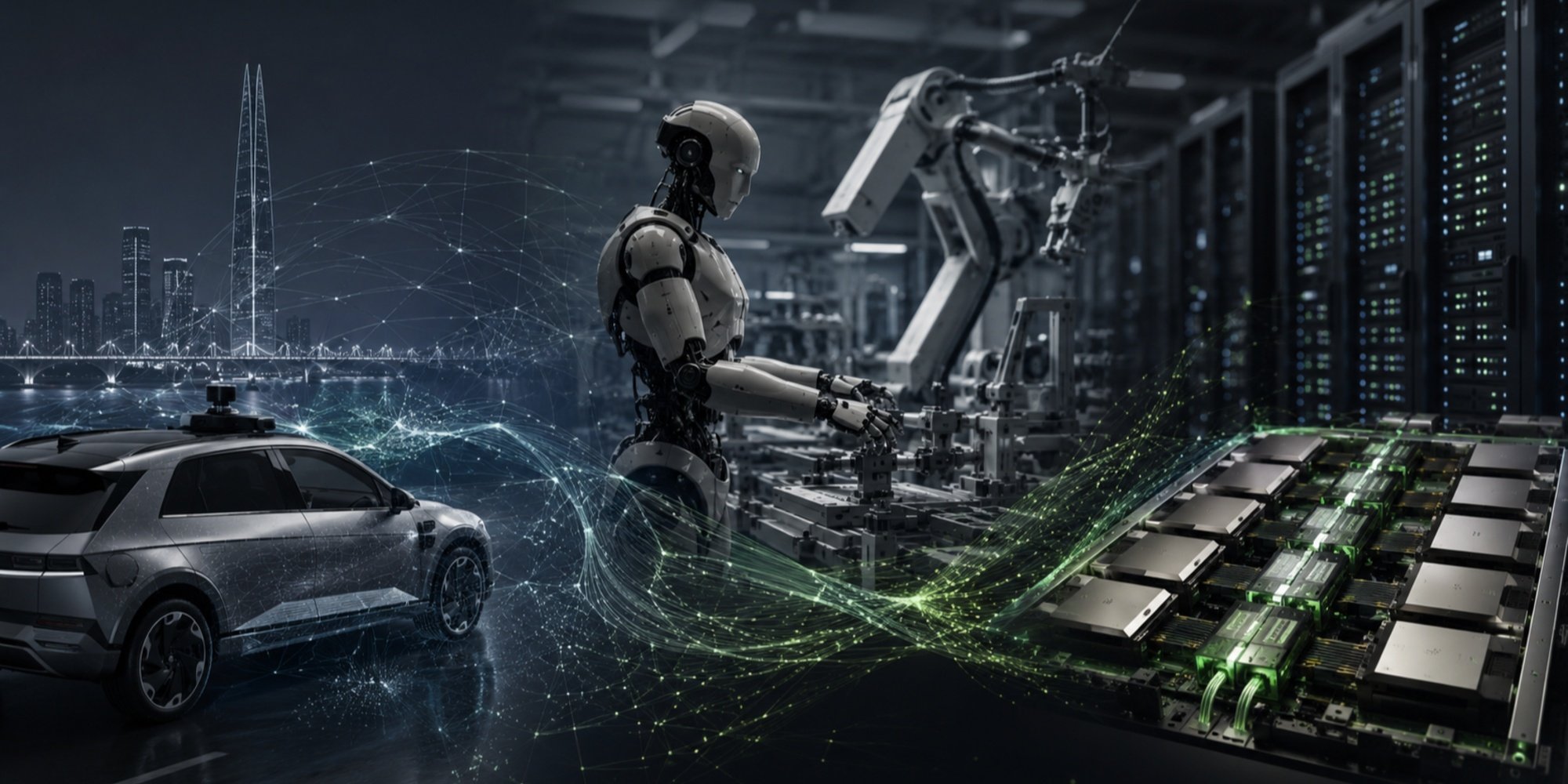
Nvidia in South Korea: Open License, Proprietary Silicon - the Isaac Platform Model

Historic Verdict in Miami: Tesla Ordered to Pay $243 Million After Fatal Accident

Tesla: A Refund of the Autonomous Driving Feature That Could Set a Precedent
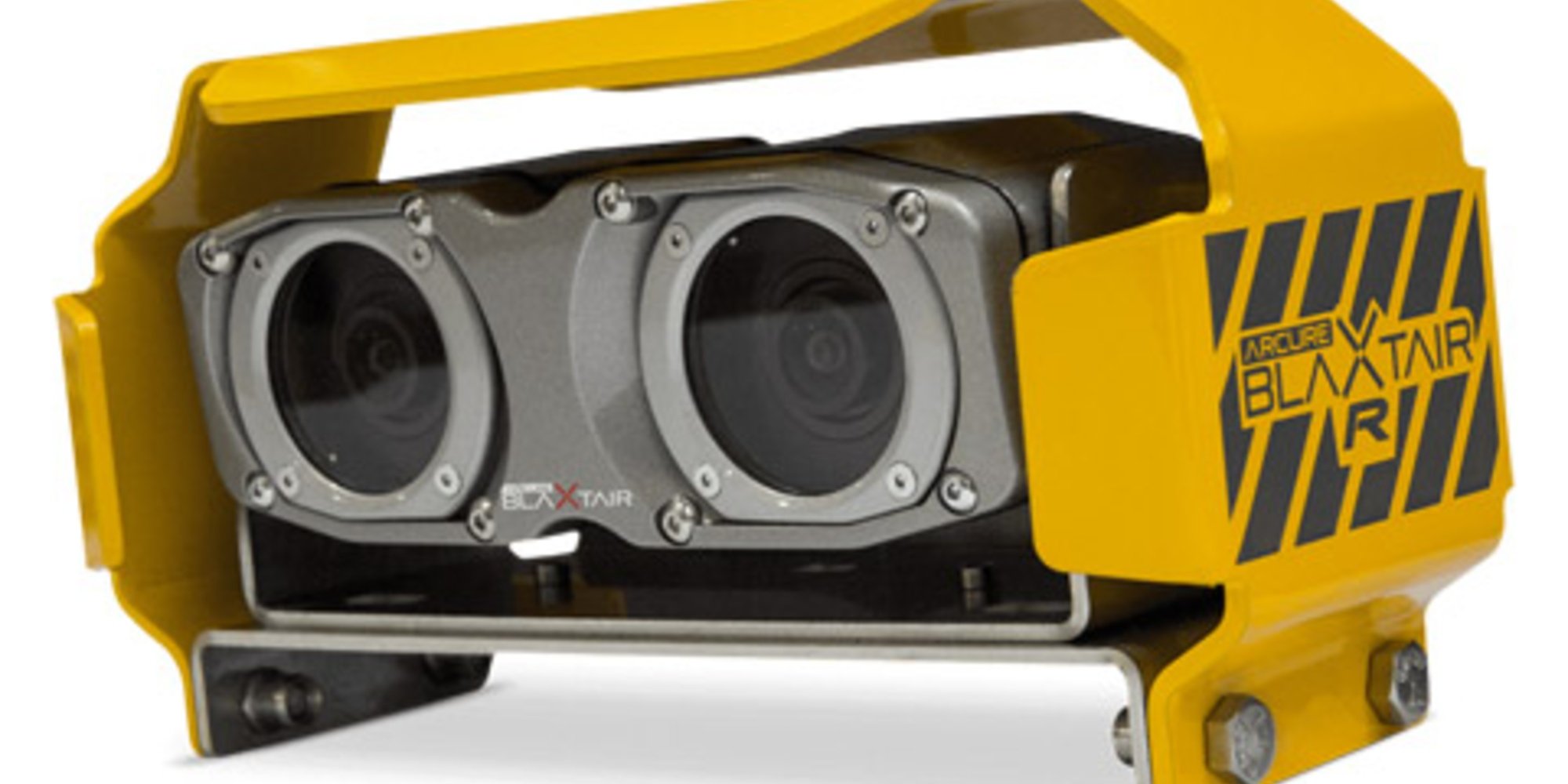
Arcure banks on contextual AI to enhance industrial safety

LightlyEdge: an Embedded AI to Lighten Data Load in the Race for Autonomous Cars
Dallas Airport Chooses Outsight's 3D LiDAR Solution to Transform Its Operational Management
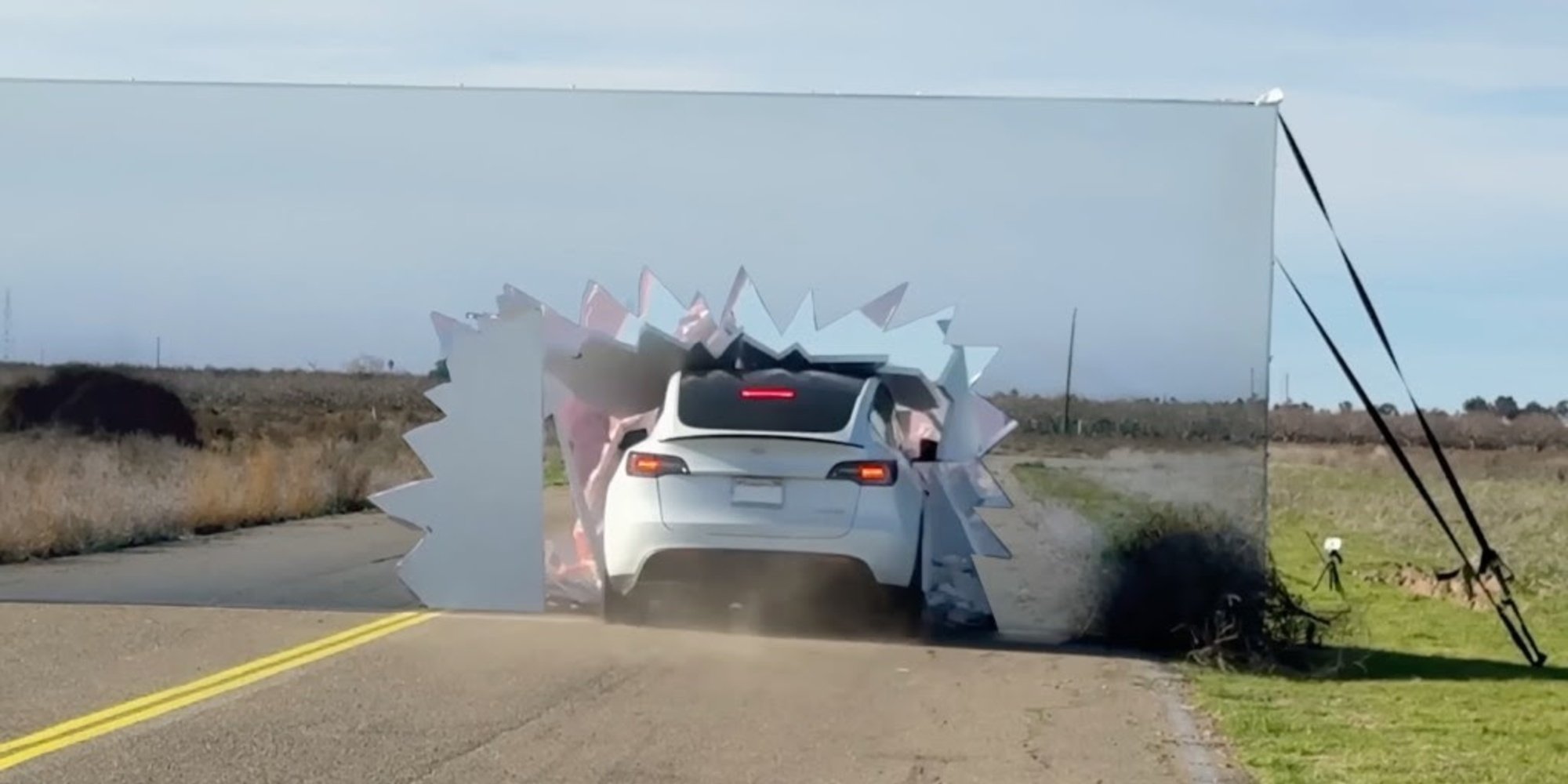
Tesla's Autopilot Extremely Easy to Fool? A Video Sparks Controversy