

AI in the Enterprise
Artificial intelligence is moving beyond experimentation to become a question of organisational structure. Caught between automation opportunities and governance imperatives, companies are weighing operational gains against risk control, regulatory expectations and the transformation of jobs.
About AI in Business
What it covers
AI in the enterprise no longer refers to a simple automation or data-analysis technology. It now spans the full range of artificial intelligence systems, from generative AI to autonomous agents and recommendation processes, embedded in the daily operations of organisations. The question is no longer technological feasibility, but how to organise its use in a sustainable and secure way. Long described as a future lever of competitiveness, AI has become a present-day reality whose use cases span research and knowledge management, content generation, the automation of business processes, cost optimisation and the personalisation of customer services.
Issues and debates
Many organisations that have adopted AI acknowledge that they still master its uses only partially. Three challenges stand out. Skills: the lack of know-how remains the main barrier to operational integration. Data quality and interconnection: poorly structured or incomplete data limits the effectiveness of systems. And the strategic question: how to measure the real return on investment and avoid AI remaining confined to a few pilot projects. Beyond operations, companies must manage concrete risks: leaks of confidential data, liability in the event of algorithmic error, impact on jobs. AI governance is emerging as a key lever to frame these risks and build trust.
European regulation and framework
The regulatory framework is thickening. The European AI Act establishes a compliance regime based on managing risks according to the level of exposure. The European Commission supports member states. National regulators, data protection authorities and financial supervisors are clarifying the conditions for the responsible use of AI in their respective fields. Public authorities are publishing practical guides to help companies structure their AI governance. Compliance rests on several converging requirements: respect for the GDPR, transparency about algorithms, human oversight of critical decisions, documentation of impacts. Governance demands organisational clarity: who decides, who validates, who controls, who bears responsibility for each system in production.
What ActuIA follows
ActuIA documents how organisations structure AI: governance strategies, regulatory developments, acquisitions and partnerships, sector-specific approaches, and public debates on ethics and accountability. We cover advances in tools and practices, the barriers identified, lessons learned from early deployments, as well as the defining questions: system autonomy, impact on employment, technological sovereignty, fairness and algorithmic discrimination.
The complete guide
Key concepts
Articles
62 in total
The real challenge of enterprise AI is no longer the model, but how it is operated

VivaTech 2026: Kickoff of the 10th Edition, with AI as the Red Thread

ActuIA invites you to VivaTech Festival: 50 tickets to win for the public day on June 20

Starbucks Withdraws NomadGo Computer Vision Tool After Nine Months in 11,000 Stores

Cigref: €140 Billion in Cloud Overcharges in Europe, AI Bundle as Second Cause

France, 2nd in Declared AI Maturity: 49% at Pilot Stage, 80% Without Measured ROI

Alibaba Unveils Smart Cockpits, AI Glasses, and Strategic Partnerships at WAIC 2025

Mission ICHIBAN: Robotic Cooperation Takes Flight on the ISS

Dassault Systèmes Leverages AI and Digital Twins to Strengthen Growth Amidst a Tense Environment

Ocean IA: Artificial Intelligence for Whale Protection in Polynesia

The Bordeaux Bar Bets on Local Generative AI with Haiku: A Regional Alliance for a Controlled Legal Transformation

Transformation of Business and Marketing Functions by AI: Towards a New Phase of Maturity

Guillaume Avrin steps down as National AI Coordinator and joins Arlequin AI as Chief Go-to-Market & Public Sector Officer

AI and Health Data: Call for Tenders Launched to Host the Health Data Hub

Data Explosion: French Companies Struggle to Stay Compliant, According to Splunk

Reinventing Clinical Decision-Making with AI: Wolters Kluwer Launches UpToDate Enterprise in France and Belgium
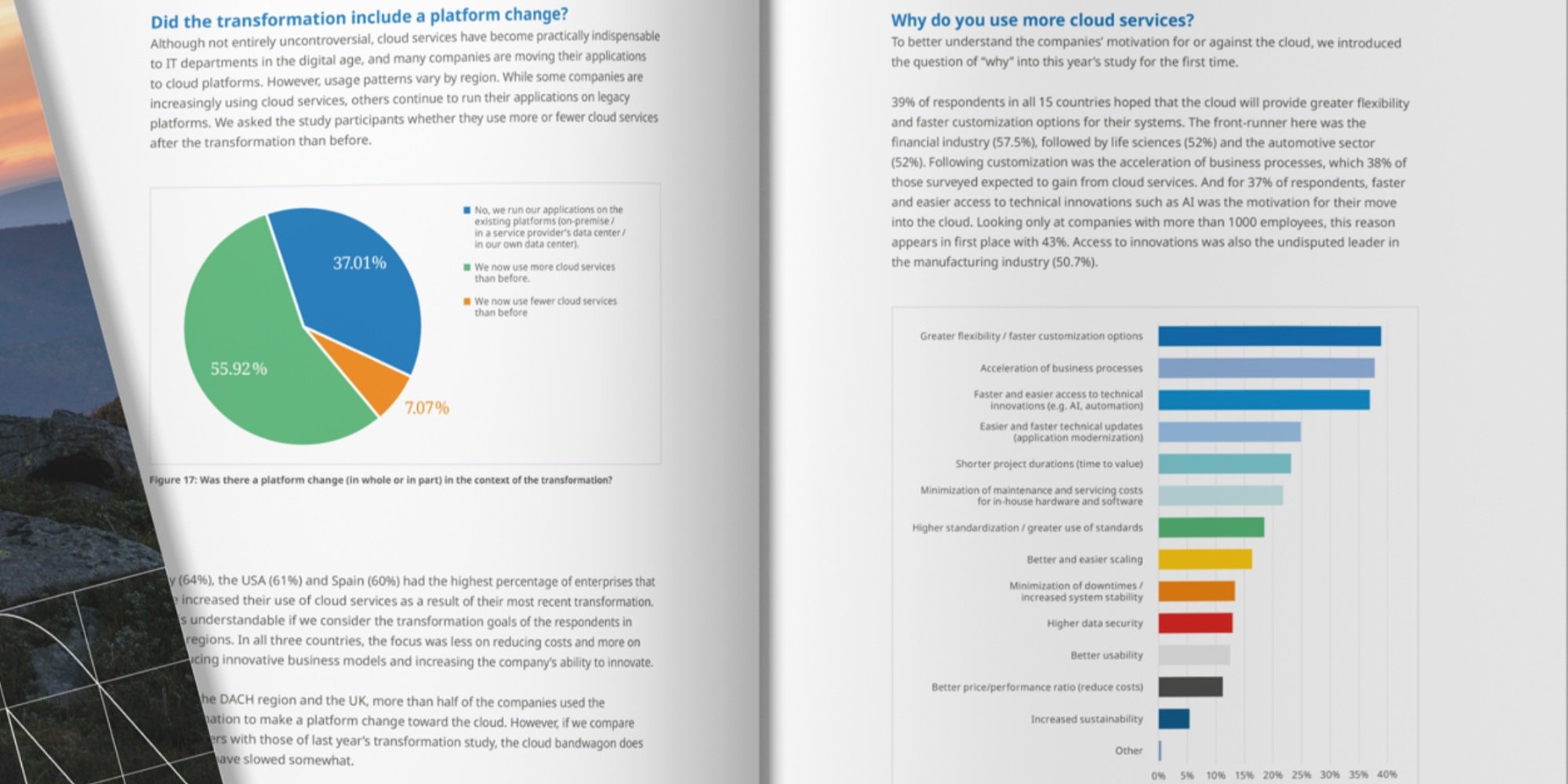
Digital Transformation: Over 82% of Companies Exceed Initial Budget
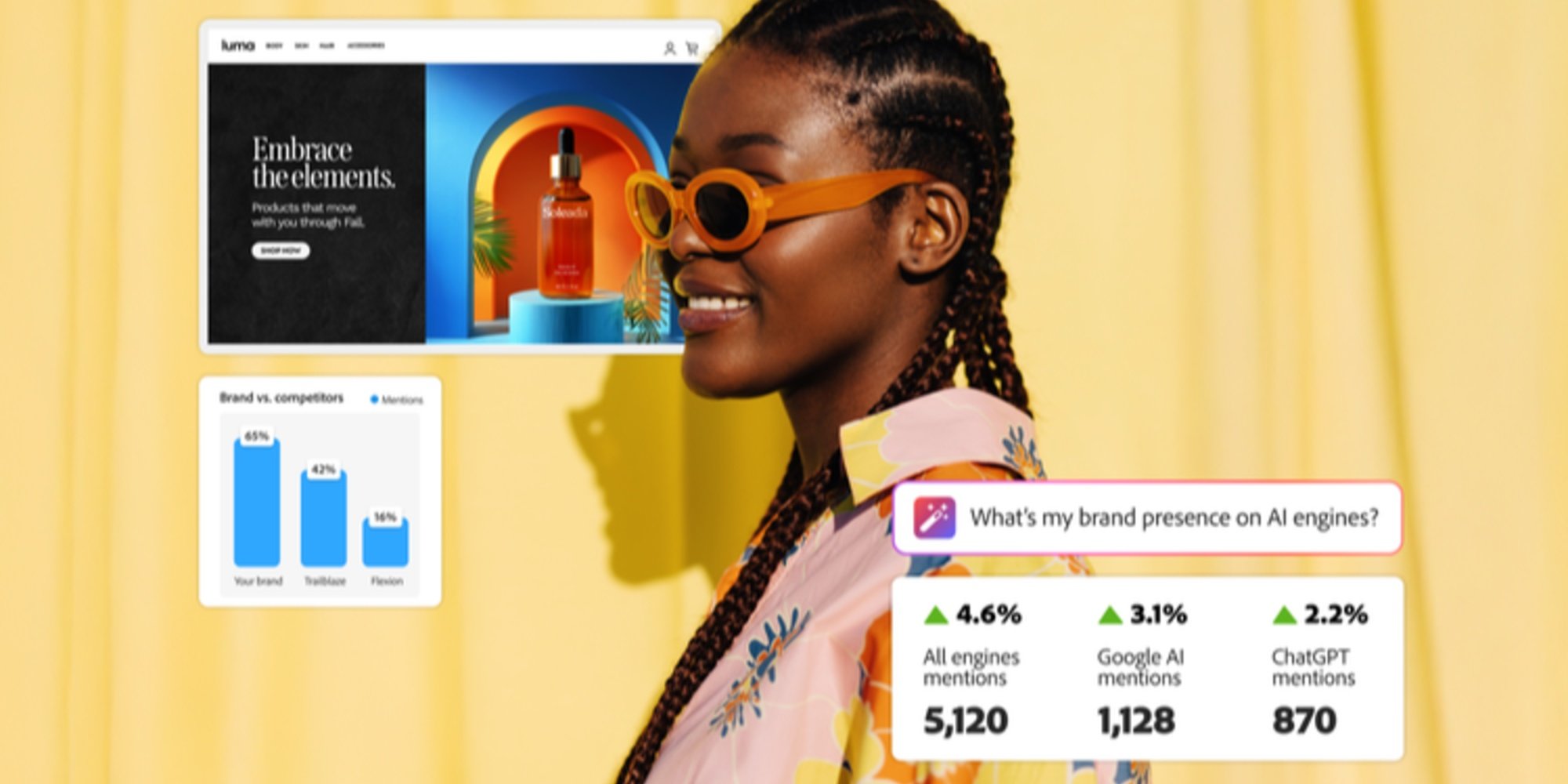
Adobe LLM Optimizer: Rethinking Brand Visibility in the Age of Generative Search

Marketing: Between the Promise of Generative AI and the Demand for Proof

Digital Transformation of Healthcare Facilities in France: Between AI Growth and Legacy System Inertia
Dataiku and NVIDIA Unveil FSI Blueprint, a New AI Architecture for Financial Services
VivaTech 2025: Follow the 3rd Day Full of Innovations Live!

Arcure banks on contextual AI to enhance industrial safety

Adoption of GenAI: A Strategic Turning Point for French Marketers by 2025

VivaTech 2025: Follow the Second Day's Program with ActuIA

Follow VivaTech 2025 Live

AI in French SMEs and Mid-Sized Companies: A Territory Yet to Be Explored According to BpiFrance

Industry 4.0: France Strategically Invests in AI but ROI Remains Marginal

From June 11th to 14th at Paris Porte de Versailles, VivaTech returns for its 9th edition!

Capgemini, Mistral AI, and SAP Join Forces to Accelerate GenAI Adoption in Regulated Sectors

Data Streaming: A Strategic Shift for French Companies

OSO-AI and VYV3: A Strategic Partnership Serving Healthcare Providers

Red Hat AI Inference Server: Towards an Open Standardization of AI Inference in Business

Dassault Systèmes and Fondation FondaMental Launch Sovereign Health Data Warehouse to Advance Psychiatric Research

The Rise of GenAI in the Daily Lives of the French: A Turning Point for Online Commerce

Digitization of Medical Secretariats: A Transformation Underway, but Still Fragile
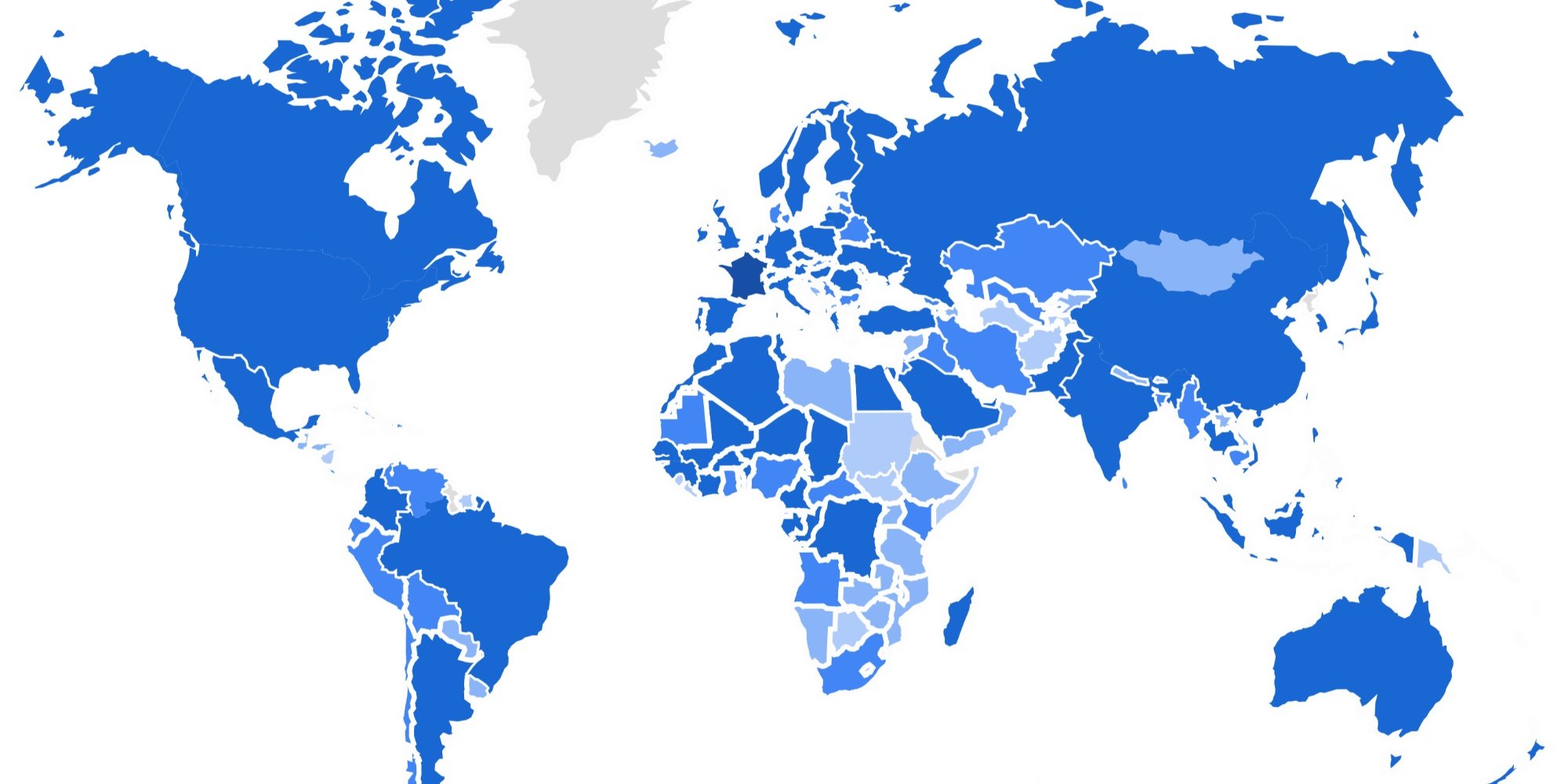
ActuIA Goes International: Our Media is Now Available in 15 Languages

Human Resources and AI: Despite Rapid Growth in Adoption, Caution Remains
Airbus and Dassault Systèmes: A Strategic Partnership in the Face of Digital Transformation

AI and Aging Well: KLESIA and INCO Unveil the 10 Winners of Their First Acceleration Program Class

The French and AI in Healthcare: Between Pragmatic Acceptance and Transparency Demands

The Adoption of GenAI in France: A Promising Potential to Accelerate, According to Snowflake

The Department of Gard Accelerates its Digital Transformation with Microsoft Copilot and Blue Soft

Advertising, AI, and Generational Expectations: Towards a Multi-Speed Personalization?

Qlik and Q36.5 Pro Cycling Team Continue Partnership to Optimize Performance with Data

Dallas Airport Chooses Outsight's 3D LiDAR Solution to Transform Its Operational Management

GenAI: The State Launches a Call for Expressions of Interest to Equip the Public Sector