

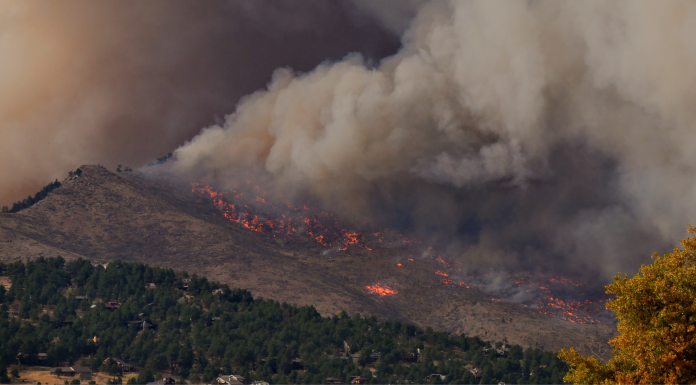
Morocco, Spain and France are currently experiencing a very significant heat wave that surprises meteorologists because it arrives early. With climate change, this phenomenon is likely to recur every year, and perhaps even earlier in the season. If this year, it raises many concerns, it is because the spring has been particularly dry, vegetation is suffering from water stress, and the risk of forest fires is very high. Preventing these fires or containing them very quickly is essential and AI can play a major role.
The year 2021 has seen major forest fires all over the world: North America, especially in California, Canada, all around the Mediterranean basin (Iberian Peninsula, Algeria, Morocco, Italy, Greece, Turkey, France) but also in Russia. Siberia was the scene of deadly fires last May.
The hydric stress that trees are currently undergoing, to which is added for the most part violent winds, explains the extent of the fires we are experiencing.
Thus, if last year, fires destroyed 15,007 hectares of forest in France, almost half of this surface (8,000 ha) was burned by the fire that started on August 16 from a freeway service area in Gonfaron, in the Var department, which, pushed by a strong mistral wind, devastated the national nature reserve of the Maures plain.
Preventing forest fires with AI
Natural means of fire prevention exist: clearing brush, installing firebreaks, transplanting less flammable species... But if it is impossible to eradicate all these fires, which are often caused by human negligence (poorly extinguished cigarette butts, sparks from construction work, burning...), detecting them, monitoring their progress to contain them more quickly is possible thanks to AI, and many countries, such as Morocco, have resorted to it. AI provides a processing of data collected by sensors, cameras, drones, satellite images, among others, faster and more accurate, which can save the flora but also human lives, wildlife ... Several works have been completed or are underway in this area:ALERTWildfire
ALERTWildfire is an extension of the ALERTTahoe network, which was a pilot program deploying PTZ cameras and microwave networks in the area surrounding Lake Tahoe, located in the mountains between Nevada and California. This consortium of the University of Nevada, Reno, the University of California, San Diego, and the University of Oregon provides fire cameras and tools to help firefighters and first responders to :- discover, locate and confirm fire ignition
- rapidly increase or decrease fire resources,
- monitor fire behavior during containment,
- assist evacuations through improved situational awareness,
- observe contained fires for outbreaks.