

Artificial intelligence to detect blowing snow
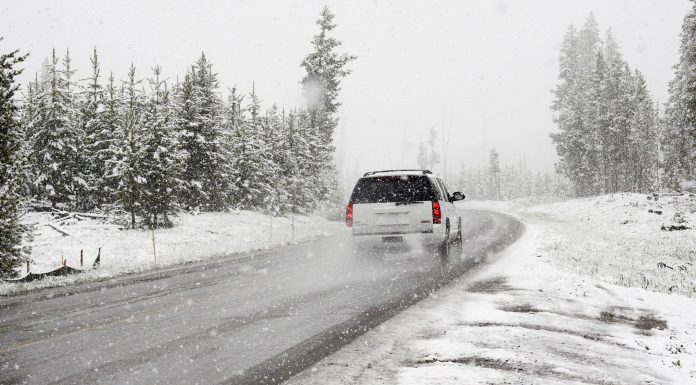
It is between Kms 104 and 110 that the Ministère des Transports du Québec decided to install the sensors, and this, in both directions. In this particularly risky portion, it is impossible to install fences or windbreaks. Ministère des Transports du Québec spokesperson Émilie Lord explains:"The sensors do not prevent blowing snow on the road, while the windbreaks just that has a function to prevent the wind, so create snow blades or blowing snow. But by having sensors in place, we are able to warn motorists."The solution in place uses artificial intelligence combined with blowing snow detection sensors to inform users in real time of conditions on Highway 175. These specialized sensors can differentiate between precipitation and identify blowing snow. In addition, video surveillance cameras store data on current weather conditions and, using artificial intelligence, validate the sensor information. Emilie Lord adds:
"The sensors and cameras detect x precipitation, it's confirmed by the cameras and then we add to a database so that eventually they will be able to tell us if it's blowing snow or another form of precipitation."If blowing snow is detected, messages of caution and awareness adapted to the situation will be displayed on the variable message signs (VMS) installed around the targeted areas, inviting drivers to be careful. An operator at the Integrated Traffic Management Centre (ITMC) will confirm the alert signal received from the sensor before updating the messages on the VMS. According to the Ministère des Transports du Québec, the detection system still needs to be trained on different weather conditions to be truly reliable, then the sensors will be operational and autonomous. Translated from Québec : l'Intelligence Artificielle pour améliorer la sécurité routière lors des épisodes de poudrerie

Our articles will then appear first in Google Top Stories.