

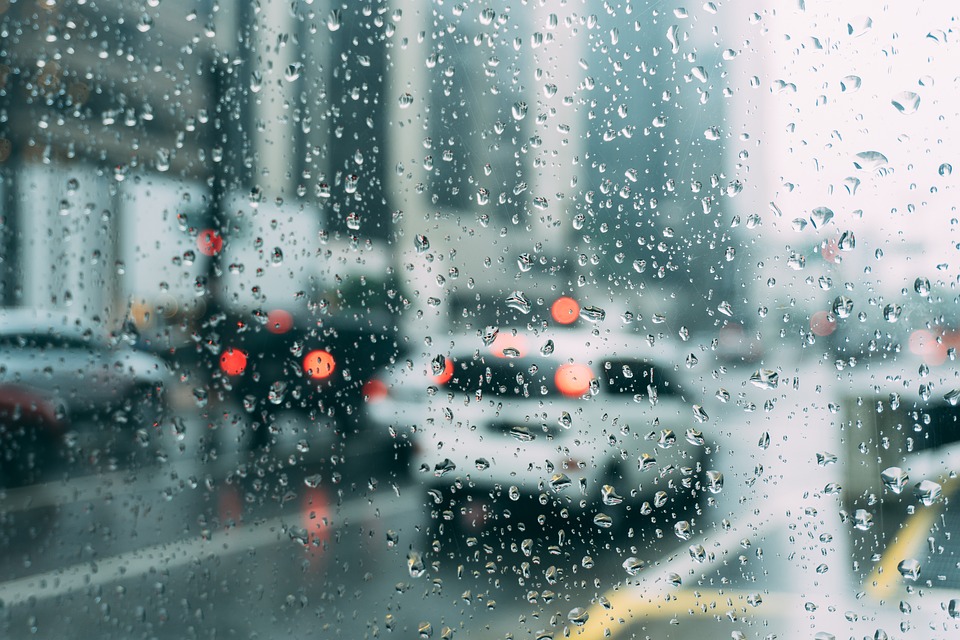
On-board assistance systems are present in many modern cars, but are they reliable? A study by AAA (American Automobile Association) published on October 14, 2021 tends to show that they are not. Tests conducted by the researchers prove that the performance of driver assistance systems to help automatically brake or stay in a lane is impaired during moderate to heavy rain.
Advanced driver assistance systems, or ADAS, do not offer autonomous driving but help reduce the risk of accidents and have two objectives:
- Active safety: anticipating the accident, limiting the impact.
- Passive safety: reducing the severity of the accident.
"The reality is that people don't always drive in perfect, sunny weather, so we need to expand the testing and consider the issues people face in their daily driving," Greg Brannon, AAA's director of automotive engineering and industry relations, said in a statement Other tests were conducted with dirty windshields (dust, insects...) but this did not significantly alter the performance of the sensors or cameras. The AAA recognizes that these systems are a definite technological advance, that they can reduce the number of accidents, improve safety but it aspires to standards of tests carried out also during bad weather conditions.
Translated from Les systèmes de sécurité d'aide à la conduite impactés par le mauvais temps, notamment la pluie, selon une étude d' AAA.