

Translational research on diabetes at UMR 1190
The team brings together clinical researchers, endocrine surgeons, diabetologists, biologists and a veterinarian who work on the development of innovative therapies for severe forms of diabetes and their clinical application. His research focuses on the production of human islets and the treatment of type 1 diabetes by islet transplantation as well as the treatment of type 2 diabetes by metabolic surgery.Metabolic surgery
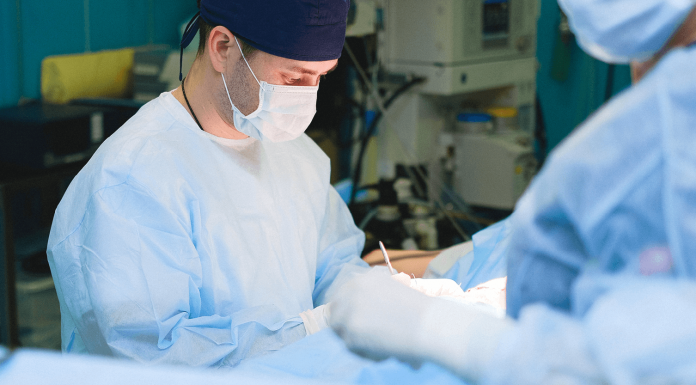
Bariatric surgery or obesity surgery aims to permanently reduce the weight load by modifying the anatomy of the digestive system. The surgical procedure is either gastric bypass (Roux-en-Y) or vertical gastrectomy (sleeve). In patients who also have type 2 diabetes, bariatric surgery can result in a rapid decrease in blood sugar levels (glycemia) because less food is consumed and a reduction in lipotoxicity, hence the name metabolic surgery. While it can offer remission of diabetes, it cannot cure it. In clinical practice, the indications of this approach are still debated for type 2 diabetes and are being studied at UMR 1190.The BIB-UP project: modeling and artificial intelligence to better understand and predict the results of metabolic surgery
The UMR 1190 "Translational Research in Diabetes" team is using AI to accelerate the understanding of metabolic diseases and optimize patient management. After the success in 2021 of the MIGAD project, where it modeled, with Cedric Lhoussaine (Biocomputing, Cristal, Univ Lille) the postprandial glycemic response (blood glucose after meals), UMR 1190 has recently obtained a new funding from the ANR for BIB-UP. Conducted in collaboration with Philippe Preux (SequeL, Inria), this transdisciplinary project, initiated in 2019 with the support of the I-site, explores the contribution of AI to facilitate the monitoring of patients who have undergone metabolic surgery. In fact, the UMR has put online a calculator to help healthcare professionals visualize the expected weight trajectory after a first bariatric surgery. Based on preoperative characteristics, this application displays the expected weight at 1, 3, 12, 24 and 60 months. Test online the first calculator developed Translated from IA et diabète : BIB-UP, projet de l'UMR 1190 pour comprendre et prédire les résultats de la chirurgie métabolique Add ActuIA to my preferred sources on Google
On the Google page, tick the box next to ActuIA: our articles will then appear first in Top Stories.