

INSERM

The Institut National de la Santé et de la Recherche Médicale (INSERM) is a renowned French public institution dedicated to biomedical research and public health. Founded in 1964, INSERM plays a crucial role in the French and international scientific landscape, focusing on fundamental and applied research to improve human health. The institute is recognized for its ability to conduct cutting-edge research and develop significant innovations in various health domains.
Read more of the profile History updated on 12 July 2025
INSERM is distinguished by its expertise in numerous fields of medical research, ranging from genetics and cell biology to neuroscience and epidemiology. Among its notable achievements, INSERM has contributed to significant advances in the understanding of complex diseases such as autism, Huntington's disease, and diabetes. For instance, the "Pop'Balloons" project uses mixed reality to help young autistic individuals develop social and motor skills, demonstrating INSERM's commitment to integrating innovative technologies for personalized health solutions.
Another remarkable project is the research on Huntington's disease led by Christian Néri, which shed light on the molecular mechanisms underlying this neurodegenerative disease. INSERM has also been involved in developing therapeutic approaches for diabetes, notably through the transplantation of Langerhans islets and metabolic surgery.
Recent Contributions and Notable ProjectsRecently, INSERM has been involved in translational research projects aimed at improving medical treatments through artificial intelligence (AI) and modeling. The BIB-UP project, for example, uses AI to predict the outcomes of metabolic surgery in diabetic patients. Moreover, INSERM actively participates in interdisciplinary collaborations, such as the SOUND.AI project, which aims to train a new generation of researchers at the intersection of health and artificial intelligence.
Furthermore, INSERM has played a key role in the initiative to use artificial health data to enhance clinical trials. This innovative approach allows for the creation of artificial patient cohorts to conduct studies more safely and efficiently, opening new perspectives for the development of innovative therapies.
Position in the Technological EcosystemINSERM is a central pillar of the biomedical research ecosystem in France. By collaborating with academic institutions, research centers, and technology companies, the institute fosters an environment conducive to innovation. For example, its partnership with entities like the Université de Strasbourg and the Institut Pasteur in projects such as those on multiple sclerosis and osteoporosis demonstrates its integration into an extensive and diverse research network.
Moreover, INSERM is engaged in international initiatives, contributing to positioning France as a global leader in health research. Its collaboration with organizations such as Inria and CNRS further strengthens its capacity to innovate and address public health challenges on a global scale.
Recent Developments and NewsAmong recent developments, INSERM has been active in the field of artificial intelligence applied to health. Initiatives such as using AI to predict the onset of anxiety disorders in adolescence show how the institute integrates cutting-edge technologies to improve the prevention and treatment of mental illnesses.
Additionally, INSERM continues to promote collaborative research projects, such as the partnership with AdvanThink to explore omics data in the context of pulmonary arterial hypertension. This collaboration illustrates INSERM's commitment to using multidisciplinary approaches to solve complex health problems.
In conclusion, INSERM remains at the forefront of medical research and innovation, playing an essential role in improving healthcare and developing new therapies. Through its commitment to scientific excellence and strategic partnerships, INSERM continues to positively influence the global health landscape.
L’Institut national de la santé et de la recherche médicale est un établissement public à caractère scientifique et technologique français spécialisé dans la recherche médicale, placé sous la double tutelle du ministère de l'Enseignement supérieur, de la Recherche et de l'Innovation et du ministère des Solidarités et de la Santé. Il est dirigé par Gilles Bloch.
Related articles
11 in total
PCAIDE 2026: The Paris Conference on AI Ethics Returns on June 11-12 at Mines Paris

Official Launch of the AI Cluster '3IA Côte d’Azur 2030'

DeepMind gives voice to scientists using AlphaFold
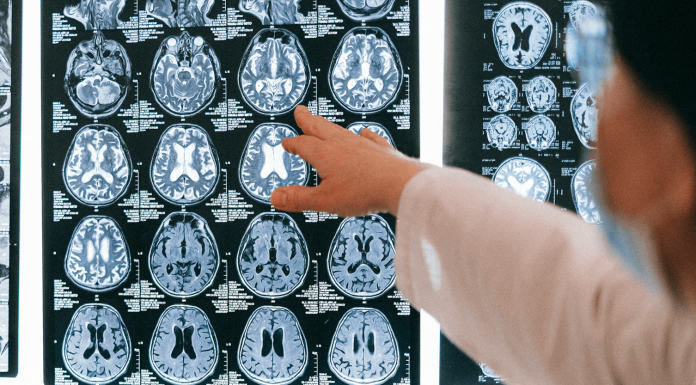
AI and genomics: loss of neuronal homeostasis plays a central role in Huntington's disease

AI and diabetes: BIB-UP, a UMR 1190 project to understand and predict the outcome of metabolic surgery

Focus on SOUND.AI, a European project selected in the framework of COFUND MSCA

Research team uses machine learning to identify indicators of suicide risk

Artificial intelligence in health: watch the round table of the Mutualité française Auvergne-Rhône-Alpes

A study by INSERM and the Bordeaux University Hospital uses AI to analyze the reasons for calls to the SAMU

INSERM and INRIA wish to develop innovative projects in digital health: an AMI is launched