

The Galapagos Conservation Trust (GCT) is a British organization dedicated to saving the species of the Galapagos Islands, off the coast of Ecuador. The islands are home to many endemic species. However, every year, more than eight tons of plastic waste from the mainland flood the islands' beaches. In order to put an end to this phenomenon, the GCT, with the help of the Utrecht Institute for Oceanographic and Atmospheric Research, has developed a tool that uses artificial intelligence to optimise the cleaning of the coastline.
A solution to an environmental problem
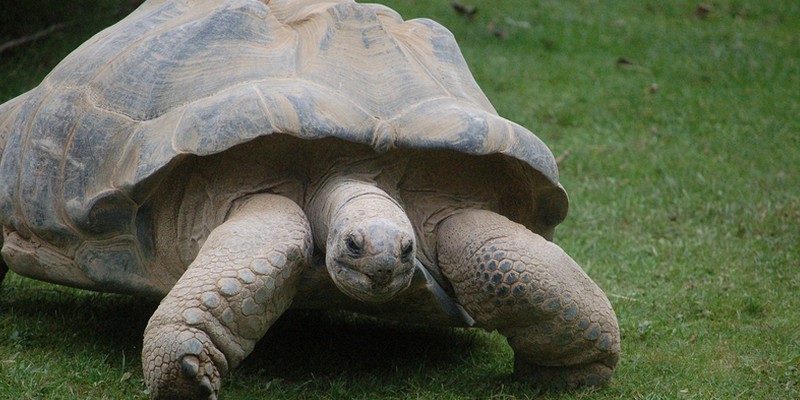
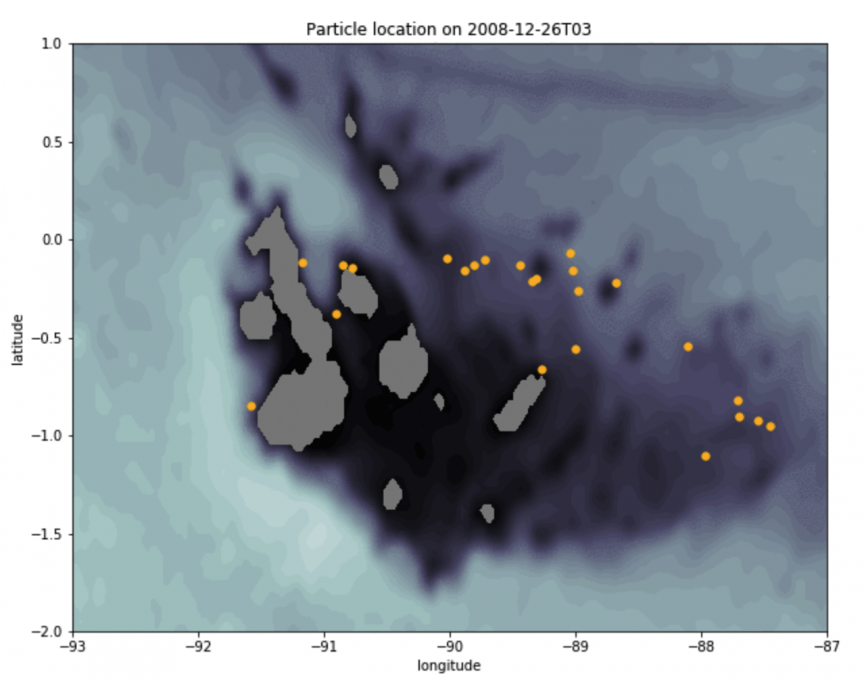
The Galapagos Islands, a UNESCO World Heritage Site, are home to a unique fauna, as evidenced by the giant tortoises that bear the name of the islands. The tons of garbage covering the beaches represent a major threat to wildlife, as the plastic micro-particles are ingested by the animals, resulting in their deteriorating health and therefore killing them. Stephanie Ypma, a researcher at the University of Utrecht in the Netherlands, is one of the experts who developed a solution that was presented in April at the EGU General Assembly. It facilitates the clean-up of the Galapagos coastline, which is currently impossible to carry out in its entirety due to a lack of financial resources. The tool is used to locate upstream, the arrival of waste on the sides, in order to know where they will land in mass and thus locate the strategic points of cleaning.