

Artificial intelligence research
Whether it concerns fundamental research in artificial intelligence or research applied to specific use cases, we bring you artificial intelligence research and its latest developments: laboratory openings, major breakthroughs in the science of artificial intelligence..
About Artificial intelligence research
Artificial Intelligence (AI) is a rapidly evolving research field, garnering increasing interest not only among researchers but also within the general public and industry. At the intersection of computer science, mathematics, and cognitive sciences, AI aims to create systems capable of simulating human intelligence. Research in this area focuses on designing algorithms and models that enable machines to learn and make decisions autonomously.
Definition and Key Characteristics
AI encompasses a wide range of techniques, from machine learning and natural language processing to computer vision and expert systems. These technologies rely on complex mathematical models and massive volumes of data to train machines to perform specific tasks. A fundamental characteristic of AI is its ability to evolve, that is, to improve its performance over time through experience, a process often referred to as supervised learning or unsupervised learning.
Major Challenges and Issues
AI research faces several major challenges. One of the most significant is the development of explainable algorithms capable of justifying their decisions, which is crucial for sensitive sectors such as healthcare or finance. Furthermore, AI raises ethical questions, particularly regarding algorithmic bias and privacy. The security of AI systems is also a critical issue, as malicious systems could potentially exploit vulnerabilities to cause harm.
Main Applications and Use Cases
The applications of AI are vast and diverse, impacting almost every sector of the economy. In healthcare, AI is used for medical diagnosis, image analysis, and the development of personalized treatments. In the manufacturing sector, it enables the optimization of production lines and predictive maintenance of equipment. Virtual assistants like Siri and Alexa, which rely on natural language processing, are popular examples of AI in everyday life. Additionally, AI plays a central role in autonomous vehicles, where it aids in navigation, obstacle detection, and real-time decision-making.
Trends and Future Outlook
Current AI research trends are moving towards improving the energy efficiency of models, reducing the size of neural networks, and enhancing algorithm interpretability. Transfer learning, which allows models to apply knowledge acquired in one domain to solve problems in another, is also a promising trend. In the future, AI could transform entire sectors by automating complex tasks, improving decision-making, and creating new economic opportunities. However, this will require close collaboration between researchers, governments, and industry to ensure that AI is developed ethically and beneficially for society.
Impact on the Technological Ecosystem
The impact of AI on the technological ecosystem is profound. It drives innovation and creates new business models while challenging established structures. The emergence of AI has led to increased demand for computing power, fostering the development of cutting-edge technologies such as graphics processing units (GPUs) and application-specific integrated circuits (ASICs). Moreover, AI has encouraged the growth of cloud computing, enabling companies to access large-scale computing resources to train their models. Ultimately, AI is redefining the technological landscape, paving the way for a new era of innovation and progress.
The complete guide
Key concepts
Articles
11 in total
Helped by GPT-5, Then Left to Their Own Devices: A Randomized Trial Measures the Learning Cost of AI Assistance

Machine unlearning: Google Research validates an audit test, but not yet on LLMs

The preprint ExpGraph proposes a self-evolving graph memory for LLM agents

GPT More Confident on Difficult Tasks Where It Makes the Most Mistakes, According to a USC/Berkeley Preprint
ContextEcho: Compaction Does Not Correct Persona Drift, Benchmark on 23 Models
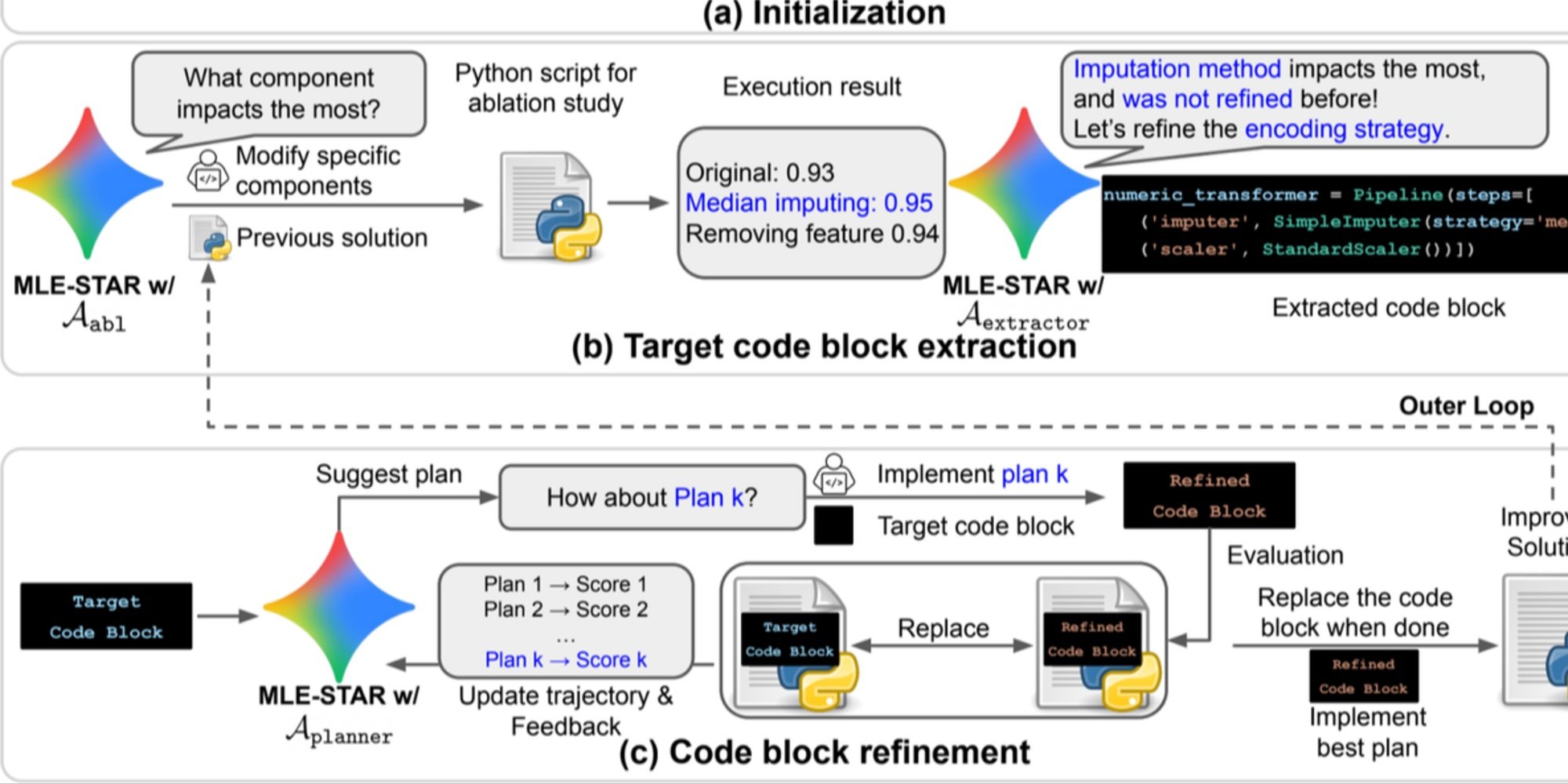
Google Introduces MLE-STAR: A New Approach for Machine Learning Engineering
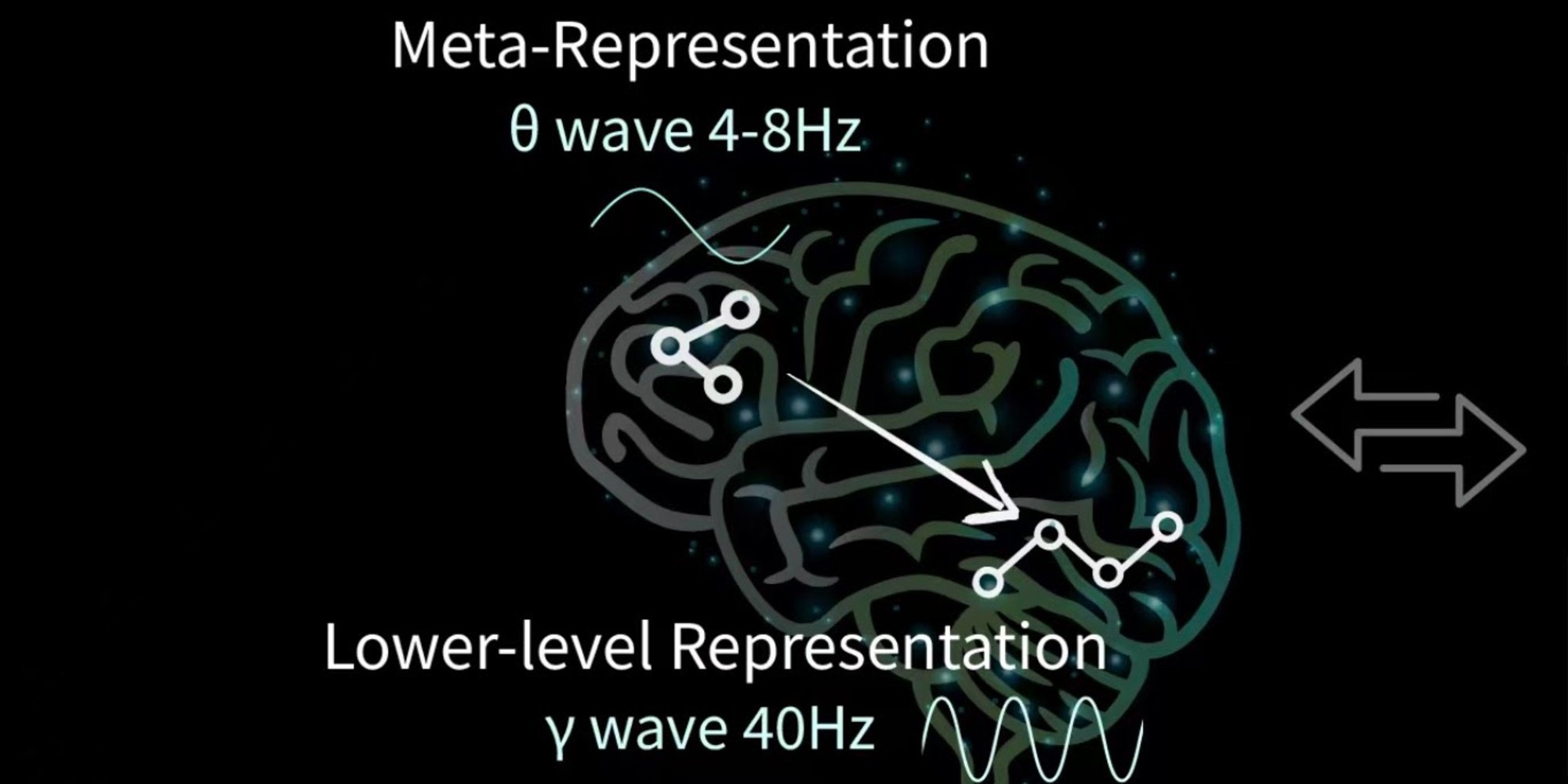
Promising Alternative to Chain-Of-Thought: Sapient Bets on a Hierarchical Architecture
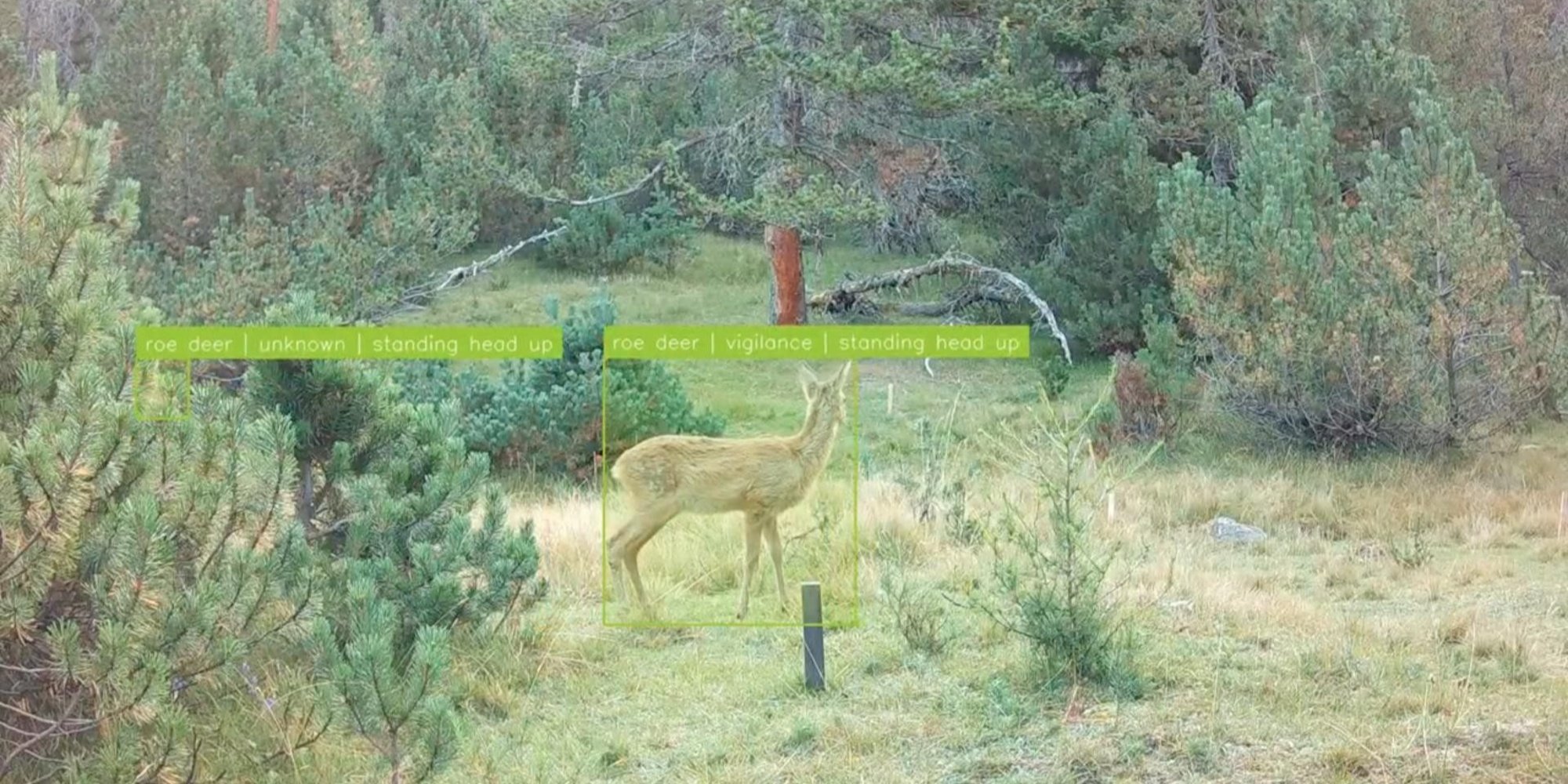
Observing Without Disturbing: When AI Joins Alpine Wildlife Study

DVPS: Rethinking Multimodal AI through Direct Interaction with the Real World

IONIS Education Group Launches a Research and Excellence Center in Generative AI Dedicated to Pedagogy and Education