

Restoring consciousness through electrical stimulation of the thalamus
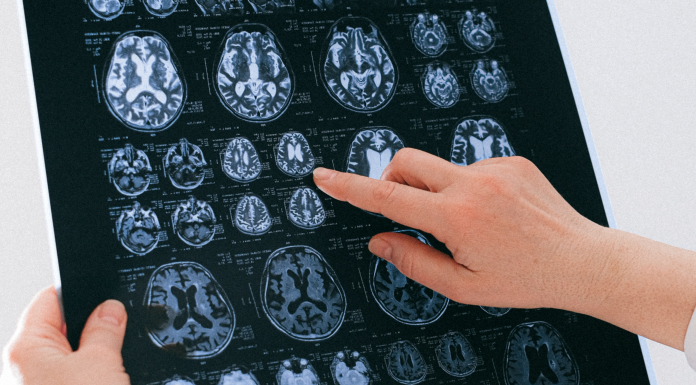
To test the hypothesis that deep brain stimulation (DBS) of the central thalamus could restore both arousal and consciousness after a loss of consciousness, the researchers performed a general anesthetic on a nonhuman primate. A deep brain stimulation electrode, a device used for patients with Parkinson's disease, had previously been implanted in these animals. The result: electrical stimulation of the central part of the thalamus during anesthesia woke up the anesthetized primates. During the electrical stimulation, the researchers observed the opening of the eyes, the resumption of spontaneous breathing and limb movements. As soon as they stopped the stimulation, the primate fell back into a state of deep sedation, that of general anesthesia. This experiment demonstrated that DBS can restore the first level of consciousness. Thanks to functional MRI and electroencephalography, the team was able, for the first time, to measure precisely, during thalamus stimulation, the two levels of consciousness (awakening and conscious access). The researchers examined the brain activations of the animal, during anesthesia and at the moments when the electrical stimulation woke up the primate. They put on a headset to listen to a series of different sounds. While the brain could not integrate the complexity of the sound composition under the effect of deep anesthesia, it recovered this capacity as soon as the brain stimulation was started. An algorithmic analysis of brain imaging by functional MRI at rest, when the headphones were not working, showed that the brain stimulation brought back the spontaneous activity of the brain lost under general anesthesia. The researchers thus demonstrated that brain stimulation of the thalamus can restore both levels of consciousness. This research opens up the possibility of future clinical trials in patients with chronic disorders of consciousness due to severe head trauma or stroke, for which there is no validated treatment. Hope could come from neuroscience which, over the last twenty years, has considerably advanced the understanding of the neurobiological phenomenon of consciousness. Article source: Deep brain stimulation of the thalamus restores signatures of consciousness in a nonhuman primate model in Science Advances. Jordy Tasserie, Lynn Uhrig, Jacobo D.Sitt, Agana Manasova, Morgan Dupontstanislas Dehaene, Béchir Jarraya. https://www.science.org/doi/10.1126/sciadv.abl5547 Translated from Restaurer la conscience grâce à la stimulation profonde du thalamus
Our articles will then appear first in Google Top Stories.