

Testing on the Space Station
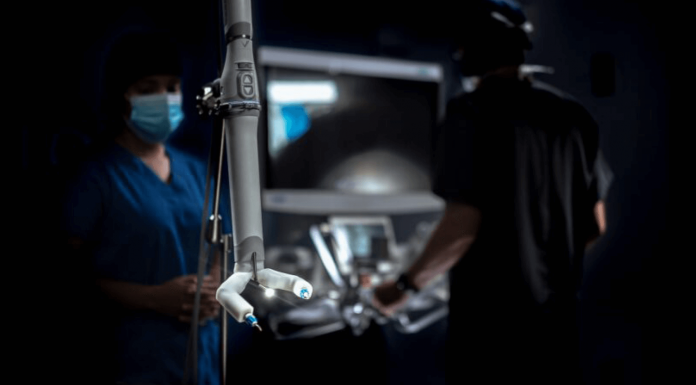
NASA awarded a $100,000 grant, intended to prepare MIRA for shipment to the ISS, to the University of Nebraska-Lincoln under the (EPSCoR) program. Shane Farritor is a professor of engineering at the University of Nebraska-Lincoln and has led research on the potential use of surgical robots in space. John Murphy, CEO of Virtual Incision, states:"The Virtual Incision MIRA platform was designed to provide the power of a central robot-assisted surgical device in a miniaturized size, with the goal of making RAS accessible in any operating room on the planet. Working with NASA on the space station will test how MIRA can make surgery accessible in even the most remote locations."MIRA will thus be tested by simulating surgical operations. She will work in an experimental locker the size of a microwave oven where she will perform tasks such as cutting simulated tissue and manipulating small objects. Shane Farritor, co-founder and chief technology officer at Virtual Incision, states:
"We expect the robot to behave differently in space. Any force or play in the joints will result in inaccuracy in zero gravity."He adds:
"NASA has ambitious plans for long-duration space travel, and it is important to test the capabilities of the technology that can be beneficial on missions measured in months and years. MIRA continues to push the boundaries of what is possible in RAS, and we are pleased with its performance so far in clinical trials. We are excited to go further and help identify what may be possible in the future as space travel becomes more and more of a reality for humanity."Translated from La plateforme miniature de chirurgie assistée par robot MIRA devrait rejoindre l'ISS en 2024

Our articles will then appear first in Google Top Stories.