

AI in the enterprise
Artificial intelligence is reshaping how companies operate, through automation and augmented decision-making. Caught between productivity gains and adoption hurdles, the sector faces major challenges around skills, governance and regulatory compliance.
Are you leading your company's transformation?
Follow every artificial-intelligence development in this sector — articles, briefs and signals — gathered in your personal feed. Free, ad-free.
About the sector
Concrete use cases
In the enterprise, AI is applied first to the automation of administrative processes and to data analysis. Chatbots and virtual assistants handle customer requests without human intervention. Marketing and sales integrate predictive tools to anticipate trends and segment audiences. In operations, AI optimises production flows, inventory management and preventive equipment maintenance. Decision-making draws on machine learning models to process large volumes of information quickly and detect patterns invisible to manual analysis.
Challenges and limits
The main obstacle remains a shortage of technical skills and governance within organisations. Many AI projects stall at the prototype stage without ever reaching real scale. Internal resistance slows adoption, fuelled by fear of change, the reorganisation of jobs and the rigidity of existing structures. Ethical and security concerns are multiplying: protection of personal data, algorithmic bias reproducing existing discrimination, and growing dependence on automated systems. Measuring the return on investment of AI initiatives proves complex. Finally, the environmental footprint of compute-intensive models is starting to be taken seriously.
European regulation and framework
Across the European Union, national regulators oversee AI compliance, working alongside data protection authorities and consumer and audiovisual oversight bodies. The European AI Act, applied progressively, classifies AI systems by level of risk: unacceptable, high, limited or minimal. High-risk systems, notably in recruitment or the management of critical infrastructure, require permanent human oversight and exhaustive documentation. The GDPR governs the protection of personal data processed by these systems.
What ActuIA tracks
ActuIA observes how organisations deploy AI beyond experimentation: the transformation of operating models, the upskilling of teams, and the structuring of governance to arbitrate internal uses. We follow the evolution of the European regulatory framework: the rollout of the AI Act, the substance of the human oversight required, and how authorities interpret high-risk categories. We also document emerging tensions: the impact of large-scale deployment on employment, the quality of training data, and legal liability when an AI-driven decision fails.
Articles
28 in total
AI goods drive 47% of global trade growth in value, WTO says

What has become of InstaDeep, three years after its record takeover by BioNTech?

AI API pricing in October 2026: $0.50 to $50 for output
Mistral Large 4: How good is the 'best open model outside China'?

AI Act: obligations in force and delays under omnibus 2026/1744

Aleph Alpha's Kolibri: what the Apache 2.0 license guarantees

Six in ten French companies have no AI framework (Coface)

French CAC 40 results: ChatGPT and Gemini get 4 in 10 figures wrong
Paris transport operator RATP: union raises alarm over AI consultation

UK justice ministry publishes AI summary volumes, not error rates

40% of French SMEs use AI, but only 19% pay for it

Inside Anthropic’s Factory: Power, Safety and Values Behind Claude

French publisher Infopro Digital: court suspends AI-based reorganisation
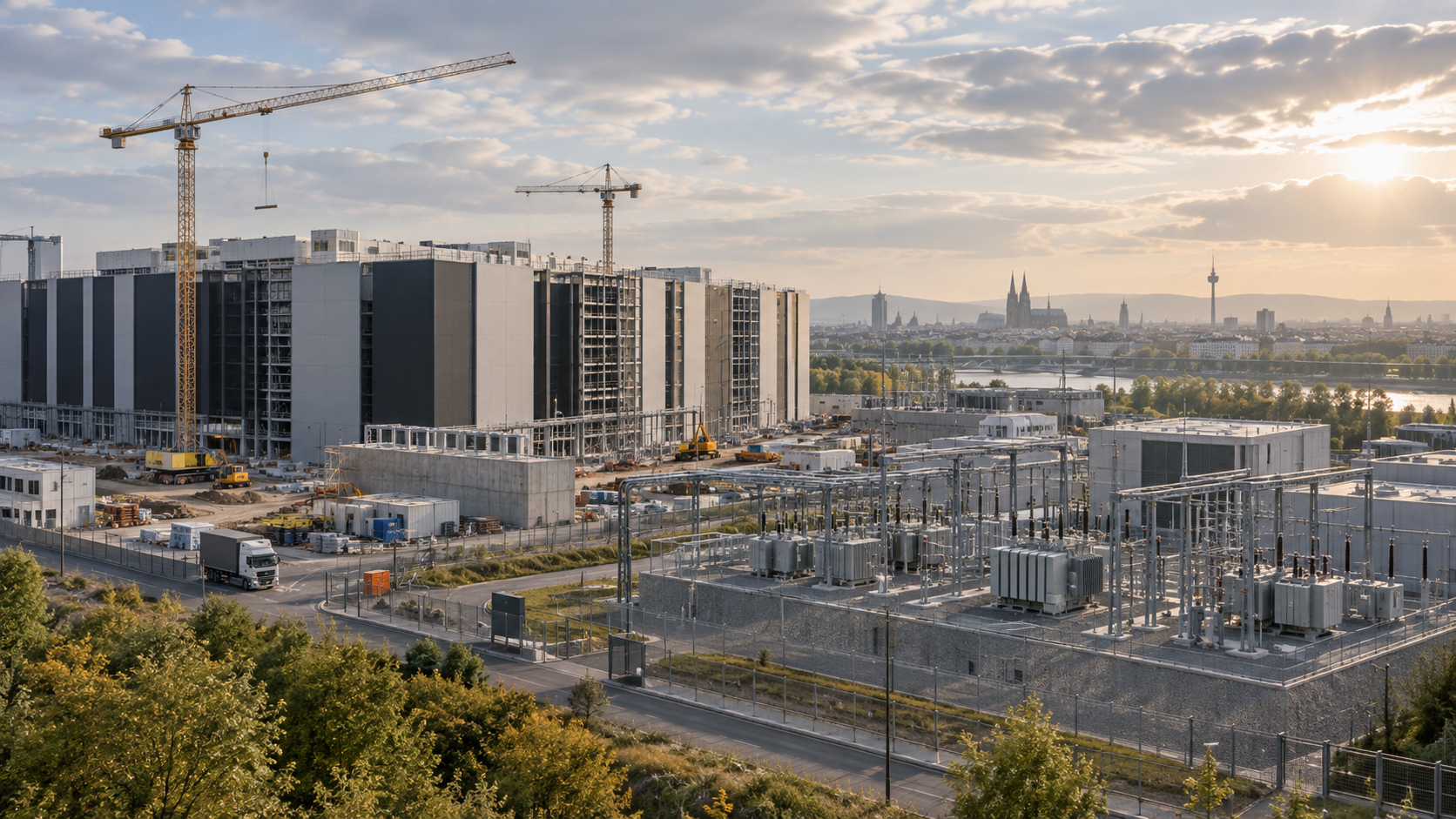
EU seeks to regulate AI race while funding catch-up

French hospital buyer Resah awards €100m generative AI framework deals

Why France's Mistral is raising €3bn from Samsung, Nvidia and ASML

Why the rumor of a Meta cloud is sinking neoclouds

Anthropic, One-Third of Global Venture Capital This Quarter: What Remains for Europe

The real challenge of enterprise AI is no longer the model, but how it is operated

AI Act: the countdown is on for businesses ahead of 2 August 2026

JPMorgan and Goldman Sachs join a pre-revenue AI round at $41B
OVHcloud-Gladia: the voice layer sovereign cloud was missing

Siri AI: Gemini as Teacher, Not Engine — What WWDC Didn’t Say

Helped by GPT-5, Then Left to Their Own Devices: A Randomized Trial Measures the Learning Cost of AI Assistance

Confidential S-1 Filings: OpenAI Follows Anthropic’s Lead, and the SEC Will Get What Private Valuations Hid
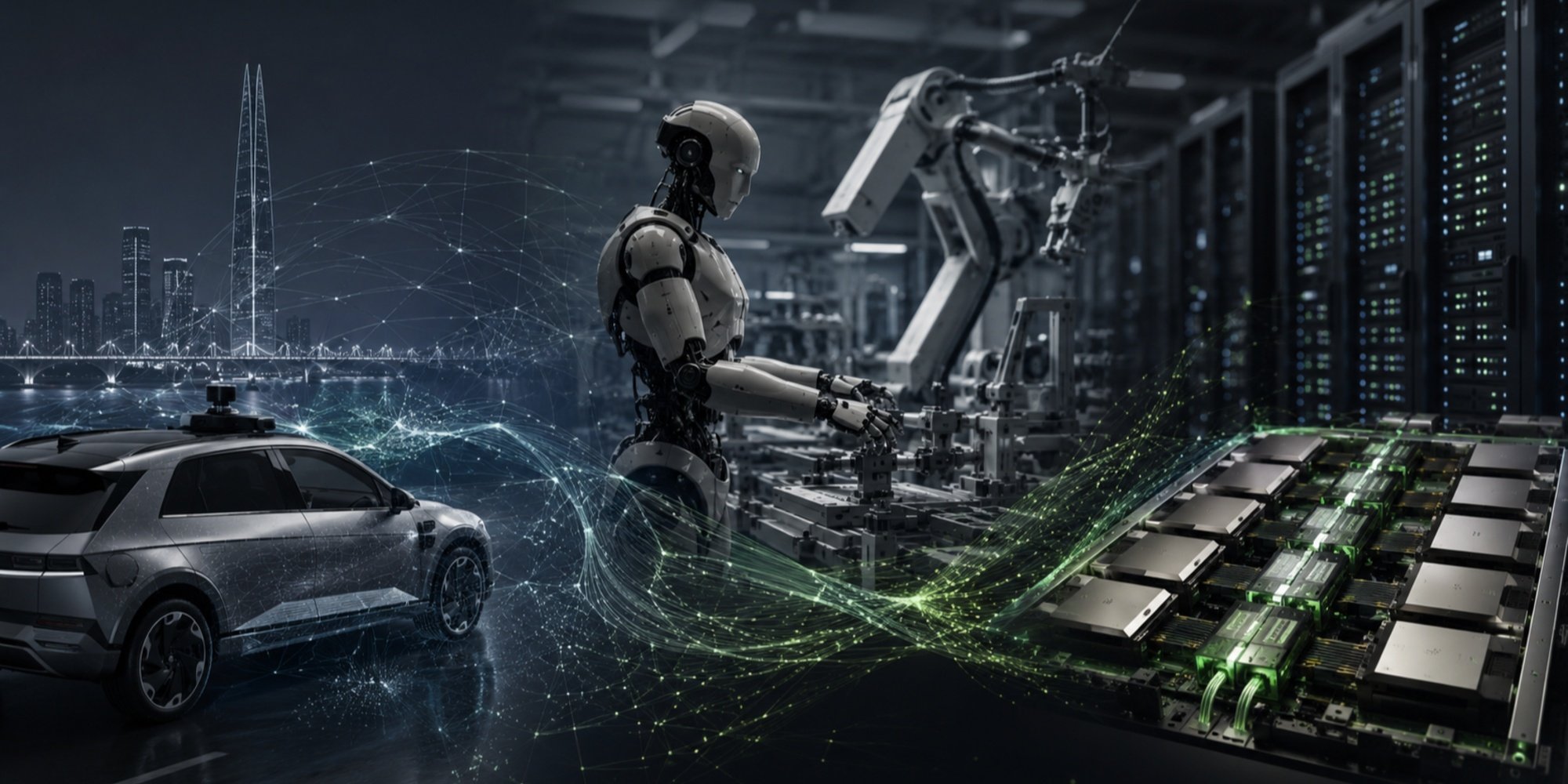
Nvidia in South Korea: Open License, Proprietary Silicon - the Isaac Platform Model

Call for Applications: Île-de-France Region Launches DSP for an AI Hub in Paris