

Wikipedia

Wikipedia, founded in 2001 by Jimmy Wales and Larry Sanger, has become one of the most influential and visited online platforms worldwide. It operates as a free, collaborative, multilingual encyclopedia, powered by volunteer contributors from around the world. The Wikimedia Foundation, a non-profit organization, manages and supports Wikipedia as well as other projects related to the free sharing of knowledge.
Read more of the profile History updated on 16 July 2025
Wikipedia is distinguished by its ability to gather and organize an enormous amount of information on a wide range of topics. Its open structure allows anyone to contribute, correct, and improve articles, which fosters rapid updates of information. With approximately 6.5 million articles in its English version alone, Wikipedia covers fields ranging from history to science, arts, and technology.
Wikipedia's model is based on community governance, where content decisions are made by consensus among contributors. This approach has allowed Wikipedia to maintain its credibility and relevance, despite the challenges associated with open editing. Furthermore, its ad-free economic model is supported by donations, underscoring its commitment to independence and neutrality.
Recent Contributions and Notable ProjectsThe Wikimedia Foundation has recently experimented with technological innovations to improve accessibility and user engagement. One of the recent projects, named "Simple Article Summaries," aimed to provide simplified summaries of Wikipedia articles to make content more accessible to a broader audience. However, this project was suspended following critical feedback from the contributor community, concerned about the potential impact on the editorial integrity of the encyclopedia.
Another significant project is "Sphere" developed by Meta, which aims to automatically verify citations on Wikipedia. Although this project is not directly affiliated with the Wikimedia Foundation, it highlights the growing interest in enhancing the reliability of information on Wikipedia through artificial intelligence.
Position in the Technological EcosystemWikipedia holds a unique position in the technological ecosystem as a leading educational and informational resource. It serves as a reference for many artificial intelligence and natural language processing applications, as illustrated by the reading comprehension test from Stanford University where AI systems read and understood passages from Wikipedia articles. This test highlighted Wikipedia's crucial role in the development and testing of AI capabilities in language comprehension.
Moreover, Wikipedia is often used as an open database for training machine learning models, thanks to the richness and diversity of its content. This makes it a key player in the field of artificial intelligence research and data science.
Recent Developments and NewsRecently, the Wikimedia Foundation has faced challenges and criticisms regarding the use of AI to generate article summaries. Although these initiatives have been suspended, they reflect Wikipedia's commitment to exploring new technologies to enhance user experience. The foundation is also continuing to explore ways to improve contributor participation and diversity, notably by supporting projects aimed at correcting representation biases, such as those related to biographies of women and marginalized groups.
Wikipedia remains a pillar of online information, constantly evolving to meet the changing needs of its users while preserving the integrity and reliability of its content. Its collaborative and open model continues to serve as an example for other platforms seeking to democratize knowledge.
Related articles
6 in total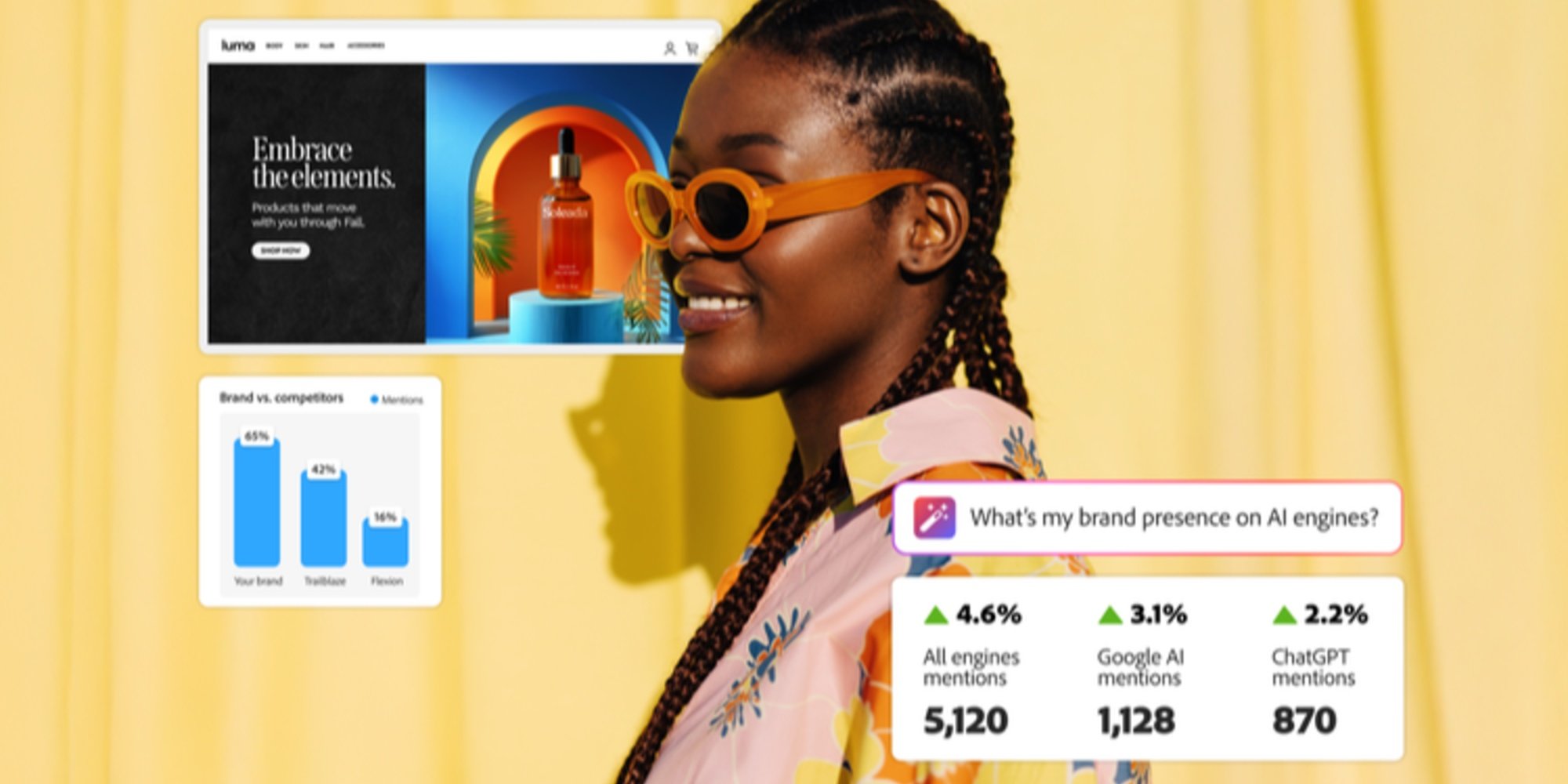
Adobe LLM Optimizer: Rethinking Brand Visibility in the Age of Generative Search
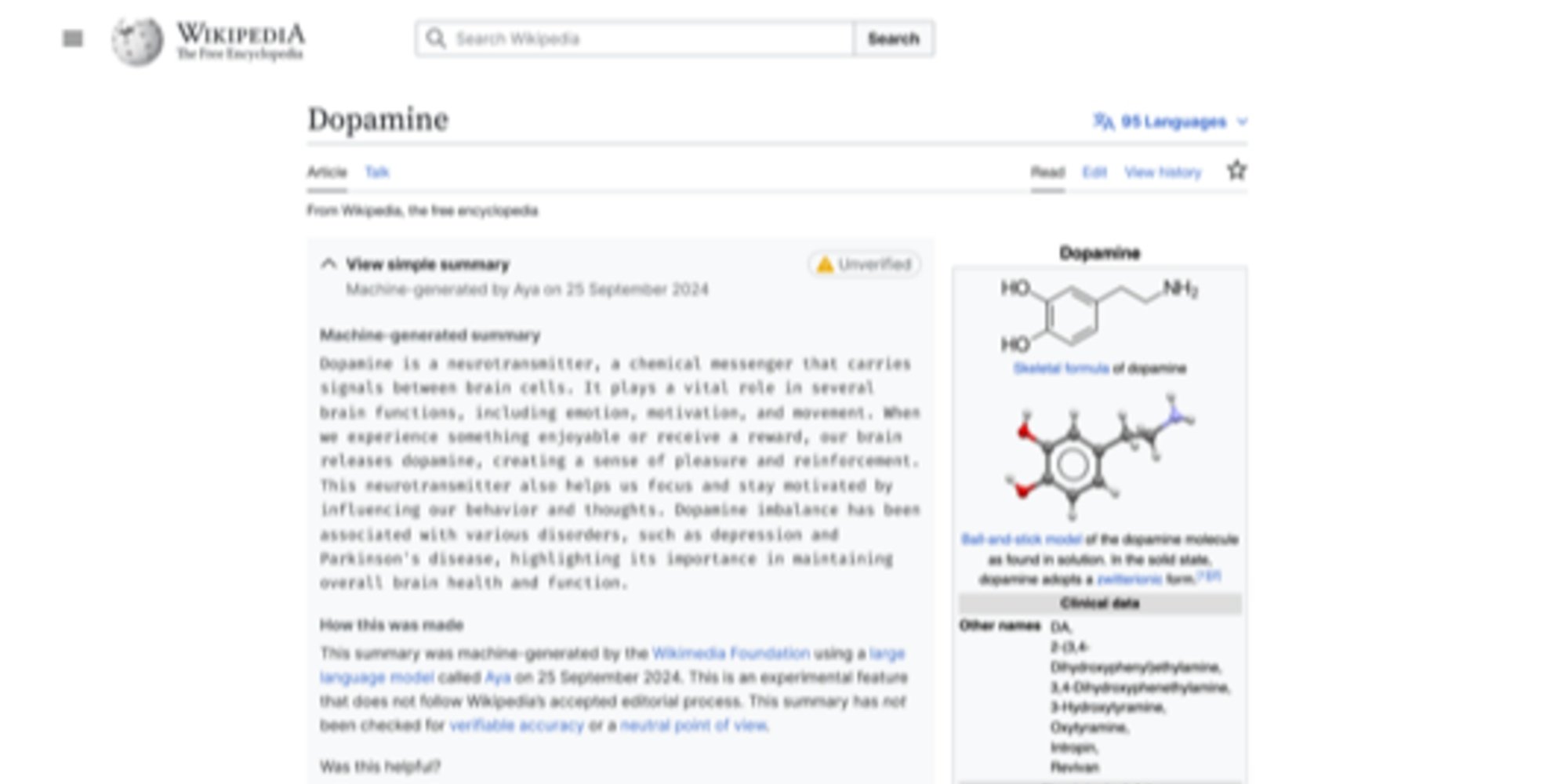
The Experimentation of AI-Generated Wikipedia Article Summaries Comes to an Abrupt Halt

First feedback on ChatGPT, the conversational language model based on GPT-3.5
Meta AI introduces Sphere, a model designed to verify citations on Wikipedia

For Google, automatically generated content is contrary to the guidelines it has given to webmasters and considered as spam