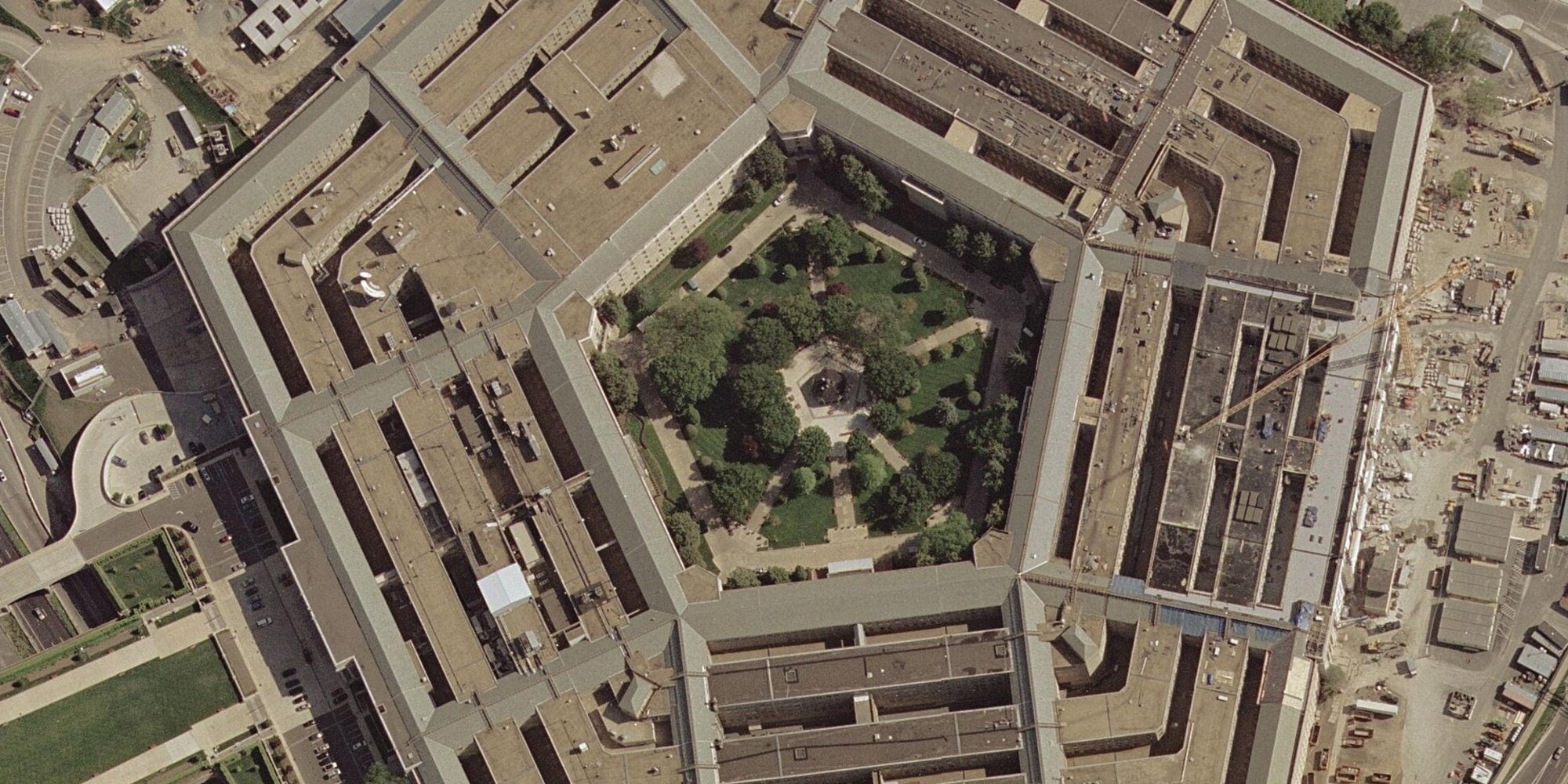
The National Aeronautics and Space Administration (NASA) is an iconic institution in the field of aerospace and space sciences. Since its establishment in 1958, NASA has positioned itself as a pioneering institution in space exploration, scientific research, and technological innovation. Its headquarters are located in Washington D.C., and it has several research centers and facilities across the United States.
Areas of Expertise and Key Achievements
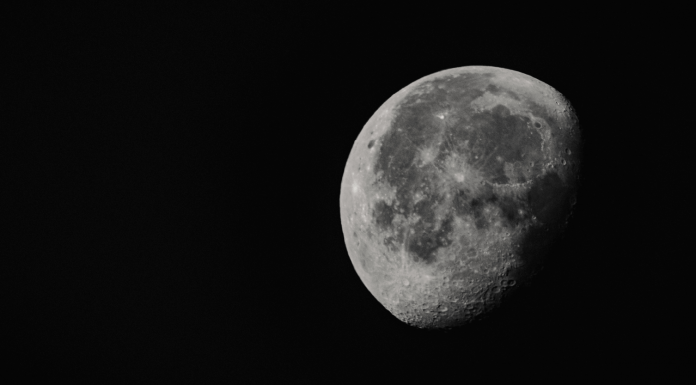
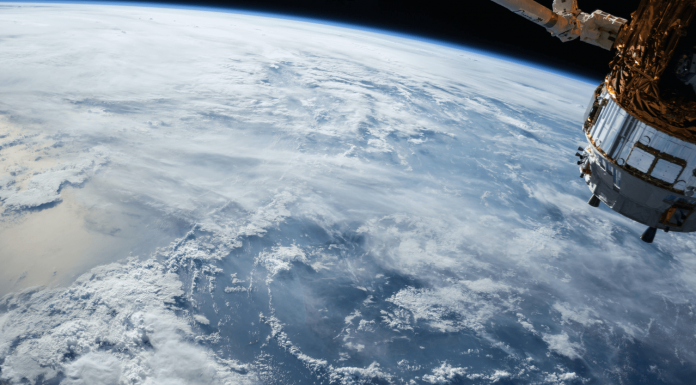
NASA is renowned for its bold space exploration missions and significant contributions to scientific research. Among its most notable achievements are the Apollo missions, which enabled humanity to set foot on the Moon, and the Space Shuttle program, which revolutionized access to space. NASA is also responsible for the development of the International Space Station (ISS), an orbital laboratory that symbolizes international cooperation in space exploration.
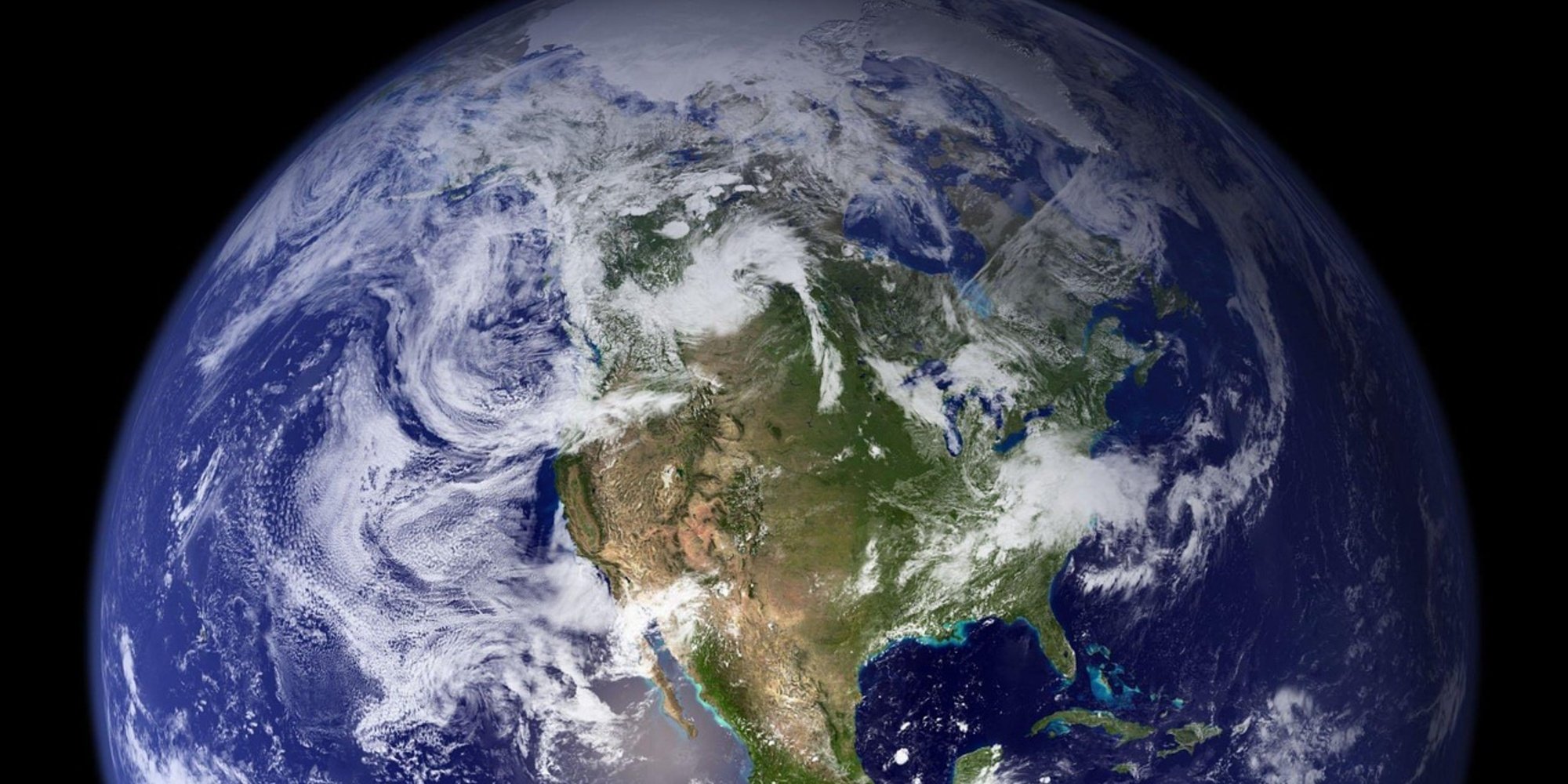
NASA's robotic missions, such as the Martian rovers like Curiosity and Perseverance, have significantly expanded our understanding of Mars and the solar system. NASA also plays a crucial role in Earth observation and climate change monitoring through its numerous satellites and Earth observation programs.
Recent Contributions and Notable Projects
Recently, NASA has intensified its efforts in utilizing cutting-edge technologies such as artificial intelligence (AI) and 3D printing to enhance its design and manufacturing capabilities. For example, NASA uses AI to design advanced structures that are lighter and stronger than traditional designs, while being faster to produce.
NASA's Artemis program, which aims to return astronauts to the Moon and establish a sustainable human presence, is a flagship project embodying the agency's future ambitions. This program also includes the development of the Lunar Gateway, a lunar orbital station that will serve as a platform for lunar missions and beyond.
Position in the Technological Ecosystem
NASA is at the heart of the global technological ecosystem, collaborating with industrial, academic, and governmental partners to push the boundaries of knowledge and engineering. It has established partnerships with leading technology companies like IBM and the open-source platform Hugging Face to develop geospatial AI models that help analyze climate and environmental data.
Furthermore, NASA is engaged in international collaborations, such as with the European Space Agency (ESA) and other space agencies, for projects like the James Webb Space Telescope and the Mars Sample Return mission.
Recent Developments and News
In terms of recent developments, NASA has announced the appointment of David Salvagnini as Director of Artificial Intelligence, highlighting the growing importance of AI in its operations. This appointment reflects NASA's commitment to integrating advanced technologies to enhance the efficiency and safety of its missions.
NASA continues to play a leading role in scientific research, as evidenced by its participation in projects tracking vegetation in sub-Saharan Africa to estimate carbon stocks using deep learning and satellite imagery.
In conclusion, NASA remains a pillar of innovation and scientific discovery. It continues to push the boundaries of space exploration while contributing significantly to the understanding of terrestrial and space phenomena. Through its ongoing efforts in research and technological development, NASA remains a key player in advancing space sciences and aerospace engineering.
La National Aeronautics and Space Administration, plus connue sous son acronyme Nasa, est l'agence gouvernementale qui est responsable de la majeure partie du programme spatial civil des États-Unis. La recherche aéronautique relève également du domaine de la Nasa.