
TLDR : Tesla was found partially responsible for a fatal accident involving its Autopilot system in 2019. This decision could influence future lawsuits, while Tesla plans to appeal the verdict.
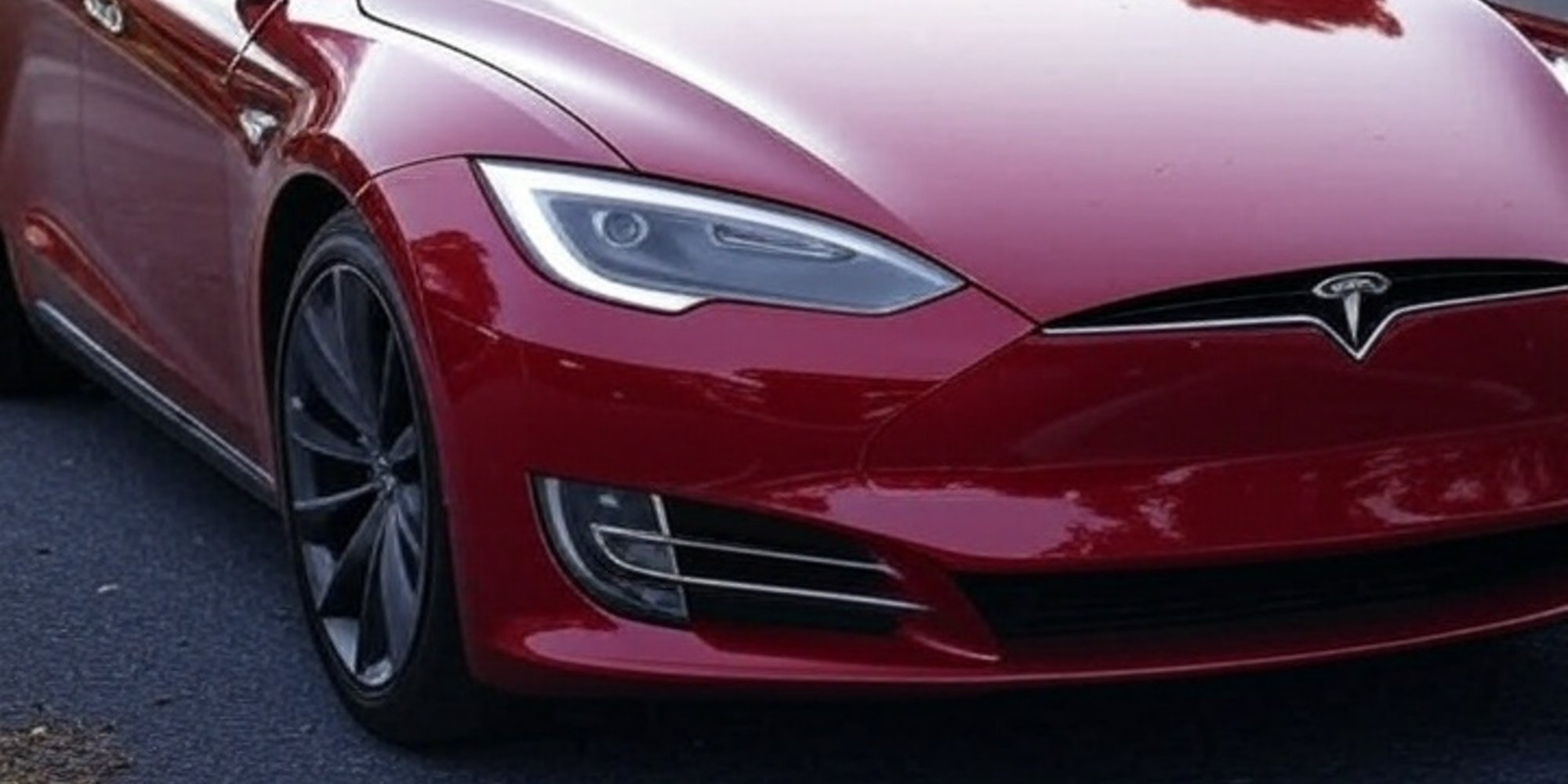
Last Friday, Tesla was found partially responsible for a fatal accident involving one of its Model S cars in Autopilot mode. This verdict could influence future legal actions and comes at a strategic time for the manufacturer, which is beginning the first tests of its robotaxis in the United States. It intends to appeal this judgment.
The accident dates back to July 2019, in Florida. George McGee was driving at high speed on a Key Largo road in a Tesla Model S, activated in Autopilot mode despite not being on a highway, when he lost control of the vehicle. According to court documents, he attempted to retrieve a dropped cellphone and collided with a parked Chevrolet near an intersection while its owners were standing nearby. The impact was so violent that Naibel Benavides Leon, 22, was killed instantly, thrown several dozen meters away, while her partner, Dillon Angulo, suffered multiple fractures and a head trauma. He still suffers from injuries from the accident, as he arrived at the hearing limping.
George McGee believed he could rely on the Autopilot to avoid any collision, but while reaching for his phone, he pressed the accelerator pedal and deactivated it. He was also found responsible but had already reached a confidential settlement with the plaintiffs in 2021. Tesla attempted to do the same, as usual, to avoid bad publicity, but to no avail.
Advanced driver assistance systems (ADAS) like Tesla's Autopilot provide partial driving automation. They control steering, acceleration, and deceleration, but the human driver must remain fully engaged in driving and be able to take control of the vehicle at any time. Tesla's lead attorney, Joel Smith, reminded that drivers are warned of the need for this oversight, which has allowed the company to win several lawsuits in the past.
While Brett Schreiber, the attorney for the victim's heirs and Dillon Angulo, acknowledges George McGee's negligence, he claims that Tesla was well aware that many drivers activated the Autopilot system on roads for which it was not designed, without trying to prevent them. He also questions Elon Musk's communication, known for spectacular but often premature announcements, which he deems contradictory to the system's actual capabilities. According to him, the choice of the term "Autopilot" rather than "Copilot" misleads users into believing in an autonomy that the system does not guarantee.
Tesla, found 33% responsible, disputes any liability. The company will face the same attorney again at the end of October for another accident that also occurred in 2019, in which a 15-year-old boy, Jovani Maldonado Garcia, died. There too, the Model in Autopilot mode collided with another car, which was changing lanes.
The name of the paid option Full Self Driving (FSD) is equally misleading: also falling into category 2 of ADAS, it requires driver vigilance. The French Directorate General for Competition, Consumer Affairs and Fraud Prevention (DGCCRF) ordered Tesla France on June 24 to "cease its misleading commercial practices" regarding the presentation of the option.
Elon Musk has just announced on X the development of a version with ten times more parameters and a significant reduction in compression loss, which should improve the quality of visual data processed by the vehicle. If internal tests go as planned, it could be rolled out to the public by late September. Will Tesla's customers be ready to trust it?