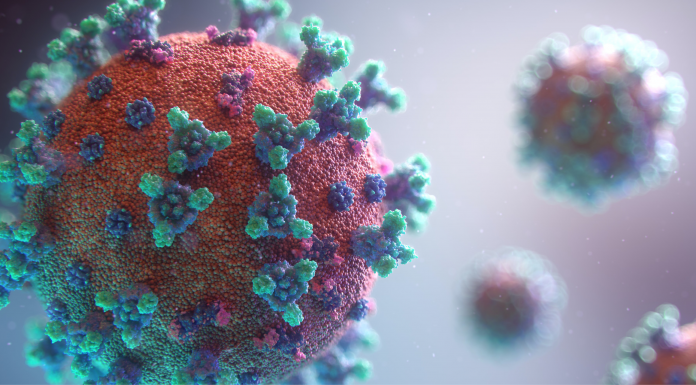
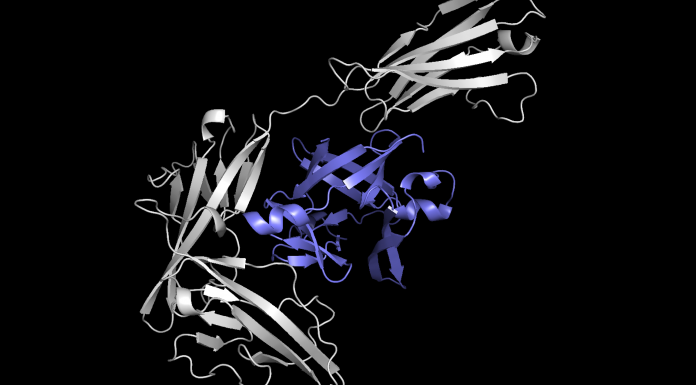
Since its emergence in Wuhan, China, at the end of 2019, Covid-19 has transformed the world in unprecedented ways, profoundly impacting public health, the economy, and society. As a global pandemic, Covid-19 required a rapid and coordinated response from governments, international organizations, and private sectors to mitigate its devastating effects. Far from being just a virus, Covid-19 acted as a catalyst, accelerating digital transformation, particularly in the education, health, and commerce sectors.
Areas of Expertise and Key Achievements
The Covid-19 pandemic not only highlighted the shortcomings of global healthcare systems but also served as a pivotal point for numerous technological innovations. In the field of public health, the virus accelerated the development and adoption of telemedicine and health monitoring technologies. Contact tracing applications were deployed on a large scale, utilizing technologies such as Bluetooth and GPS to curb the spread of the virus. Furthermore, the use of artificial intelligence (AI) improved screening, diagnosis, and patient tracking, contributing to a more effective management of the health crisis.
Recent Contributions and Notable Projects
The economic repercussions of Covid-19 have been significant, but they have also led to remarkable innovations across various sectors. E-commerce, for instance, experienced exponential growth, driven by an increased demand for contactless services. Companies invested heavily in cloud computing and cybersecurity infrastructures to meet this demand. According to a study conducted by Packlink, the personalization of shopping experiences has become a major asset, although it raises concerns about privacy and data protection.
In terms of research and development, Covid-19 has prompted unprecedented collaborations between technology companies and healthcare institutions. Partnerships like the one between Aqemia and Sanofi, aiming to discover small molecule drugs, illustrate how the pandemic has catalyzed collaborative research initiatives. Moreover, the acquisition of startups like InstaDeep by BioNTech demonstrates the growing importance of AI in biotechnology, with applications ranging from protein modeling to early warning of new virus variants.
Position in the Technological Ecosystem
In the technological ecosystem, Covid-19 has reinforced the position of AI and big data as key elements in addressing global challenges. Initiatives like the DARWIN EU network, aiming to leverage big data for drug evaluation, show how digital technologies are being integrated into regulatory and public health processes. Additionally, the pandemic has underscored the importance of resilient digital infrastructures, prompting businesses and governments to invest in cloud and cybersecurity solutions.
Recent Developments and News
Despite the progress made, Covid-19 continues to pose significant challenges, particularly with the emergence of new variants. Efforts to vaccinate the global population are ongoing, although inequalities persist in vaccine access. Research is now focused on improving treatments and prevention strategies, with increased interest in AI-based approaches. Concurrently, studies like those conducted by the WHO with the Polytechnic University of Valencia highlight the need to enhance the use of AI in mental health research, a field heavily impacted by the pandemic.
In conclusion, Covid-19 has acted as both a revealer and accelerator of technological trends. It has highlighted the necessity for rapid and effective digital transformation in key sectors while emphasizing the challenges to ensure ethical and secure use of technologies. As the world continues to navigate the uncertain waters of this pandemic, innovation and collaboration remain essential to building a more resilient and sustainable future.