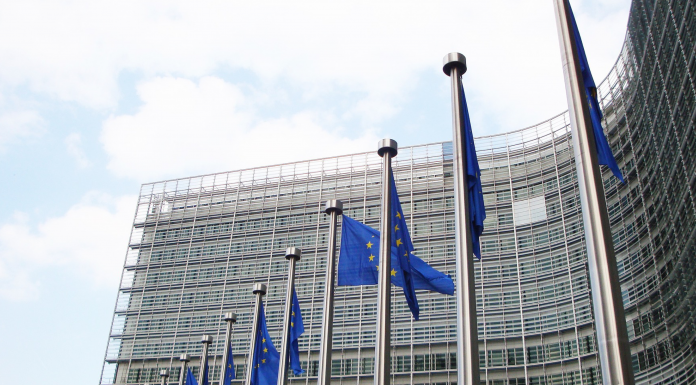
The European Commission is one of the main institutions of the European Union, playing a central role in the development and implementation of EU policies. With the mission to promote the general interest of the EU, it proposes new legislations, implements EU policies and budget, ensures the enforcement of European laws, and represents the Union on the international stage. In the field of artificial intelligence (AI) and new technologies, the Commission stands out for its regulatory initiatives and strategic investments aimed at positioning Europe as a global leader in AI.
Areas of Expertise and Key Achievements
The European Commission is distinguished by its regulatory expertise, notably through the AI Act, the world's first comprehensive legislation dedicated to AI regulation. This framework aims to ensure that AI systems used in Europe are safe, ethical, and respectful of fundamental rights. The Commission also supports the development of digital technologies through the "Digital Europe" program, which allocates funding to enhance cybersecurity and digital skills, thereby contributing to the digital transformation of the European economy.
Recent Contributions and Notable Projects
In 2025, the Commission published the final version of the code of good practices for general-purpose AI models, aimed at helping providers comply with the obligations of the AI Act. This code, although voluntary, serves as a pre-compliance tool and offers increased legal certainty to providers who adhere to it. The Commission has also launched a public consultation to clarify the classification of high-risk AI systems, scheduled to be fully effective in August 2026.
Position in the Technological Ecosystem
The European Commission strives to make Europe a global leader in AI, despite the current dominance of the United States and China. Through the AI Continent Action Plan, it aims to transform European industries into engines of innovation. The Commission is investing heavily in computing infrastructure and data access, particularly through the creation of gigafactories and the development of EuroHPC supercomputers.
Recent Developments and News
The European Commission recently rejected a call for a moratorium on the AI Act launched by European companies, affirming the importance of a consistent regulatory timeline. Furthermore, it has announced investments of 200 billion euros in AI to strengthen European leadership. In September 2024, the Commission signed the Council of Europe's Framework Convention on Artificial Intelligence, a legally binding instrument aimed at protecting fundamental rights while fostering innovation.
In addition to its regulatory efforts, the Commission supports initiatives such as the DIVA program, which assists SMEs in adopting AI in the Pays de la Loire region, and the AI Factories initiative, aimed at creating a network of AI factories around EuroHPC supercomputers to support innovation in strategic sectors.
In conclusion, the European Commission plays a crucial role in shaping the EU's technological ecosystem, balancing innovation and regulation to ensure sustainable and ethical development of artificial intelligence. Its commitment to positioning Europe as an AI leader is manifested through significant investments, robust legislative frameworks, and international collaboration initiatives.
La Commission européenne est l'une des principales institutions de l'Union européenne, avec le Conseil de l'Union européenne, le Parlement européen et le Conseil européen. Instituée par le traité de Rome de 1957, elle est composée d'un commissaire européen par État membre, soit 28 commissaires.