Hugging Face Introduces Reachy Mini: A New Milestone in the Democratization of AI Robotics
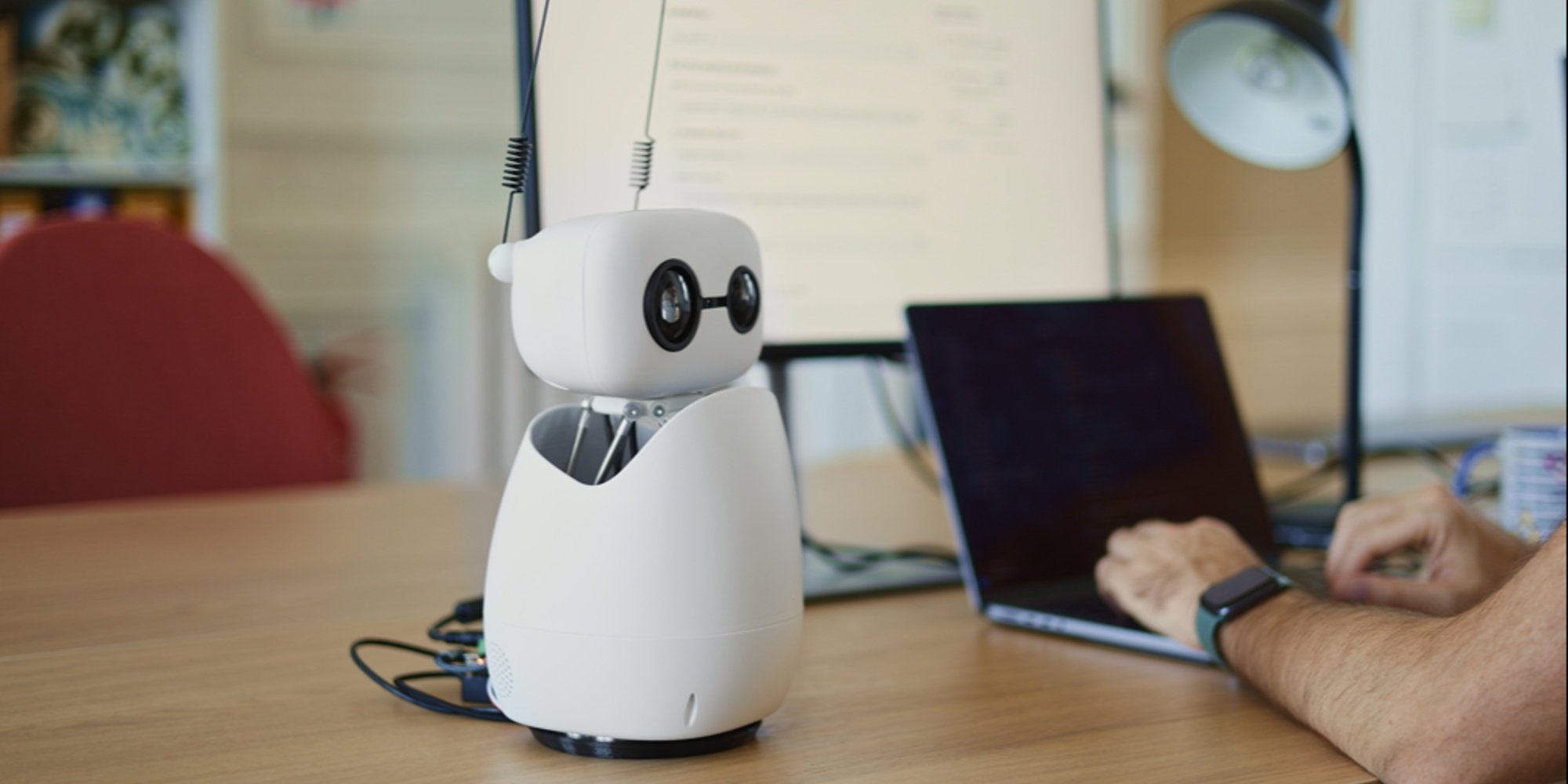
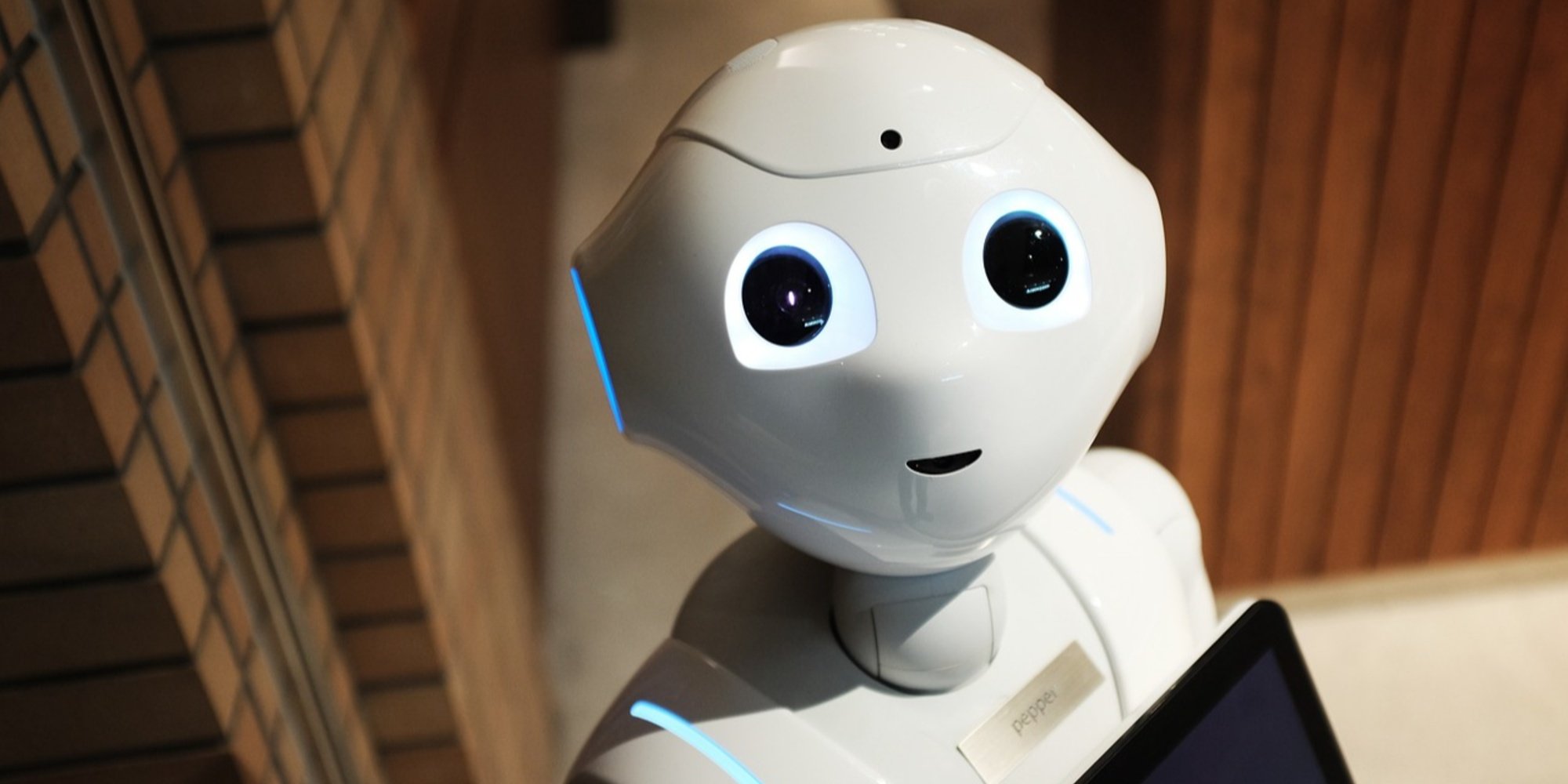
Hugging Face announces the pre-order availability of Reachy Mini, an expressive and open-source robot designed for human-robot interaction, creative c...
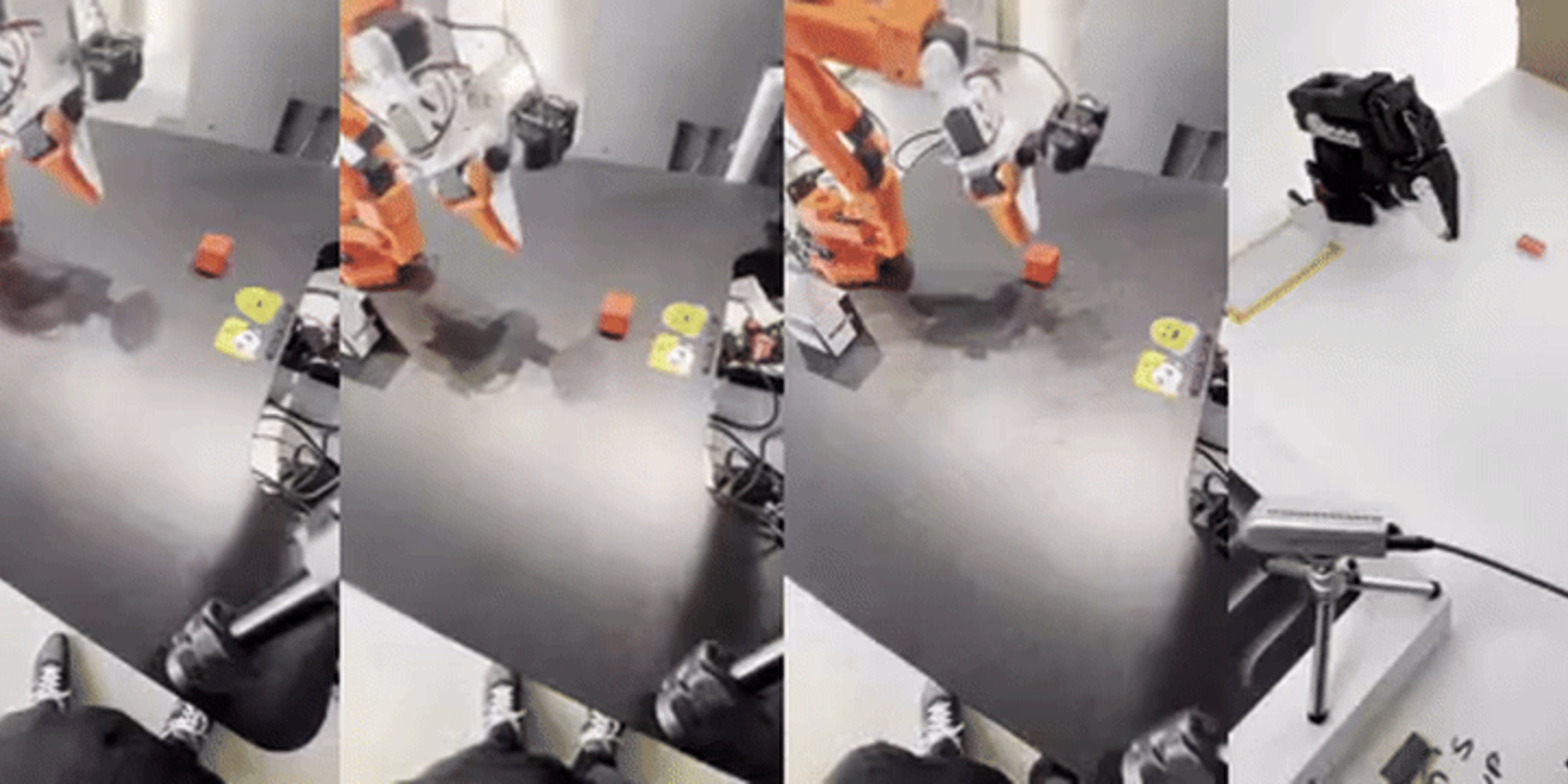
Robotics, merged with artificial intelligence, is undergoing unprecedented transformation, as evidenced by recent technological advancements. On June 3, 2025, Hugging Face launched SmolVLA, an open-source Vision-Language-Action (VLA) model, illustrating a trend towards more accessible solutions. With only 450 million parameters, SmolVLA runs on consumer hardware while offering performance comparable to much larger models. This initiative highlights a commitment to democratizing access to advanced robotic technologies, an urgent need in the face of prohibitive costs of existing models. By opening their architecture and training data, Hugging Face aims to accelerate research on generalist robotic agents, thus addressing a growing demand for more flexible and economically viable solutions.
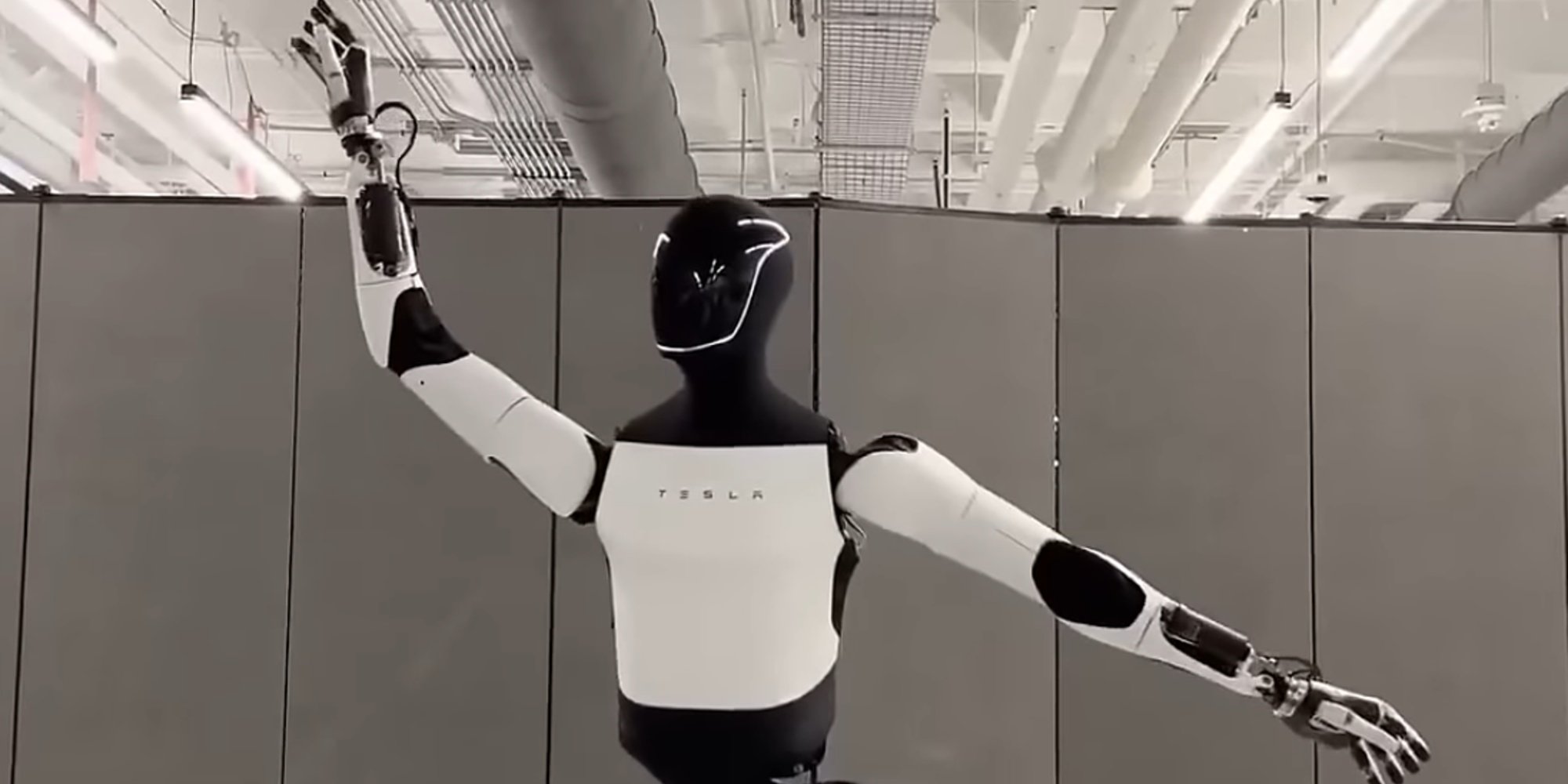
Humanoid robotics, on the other hand, is marked by impressive demonstrations, like those of Tesla with its Optimus robot. In May 2025, Optimus captivated attention with complex dance moves, thanks to training in simulation and transfer without additional training, a method known as zero-shot transfer. This innovative approach allows testing and optimizing algorithms in virtual environments, thus reducing the need for costly adjustments in real-world conditions. Innovations in domain randomization and agile body control allowed Optimus to perform these movements untethered, highlighting the efficiency and robustness of new robotic technologies. These advancements pave the way for practical applications in various sectors, from logistics to personal assistance.
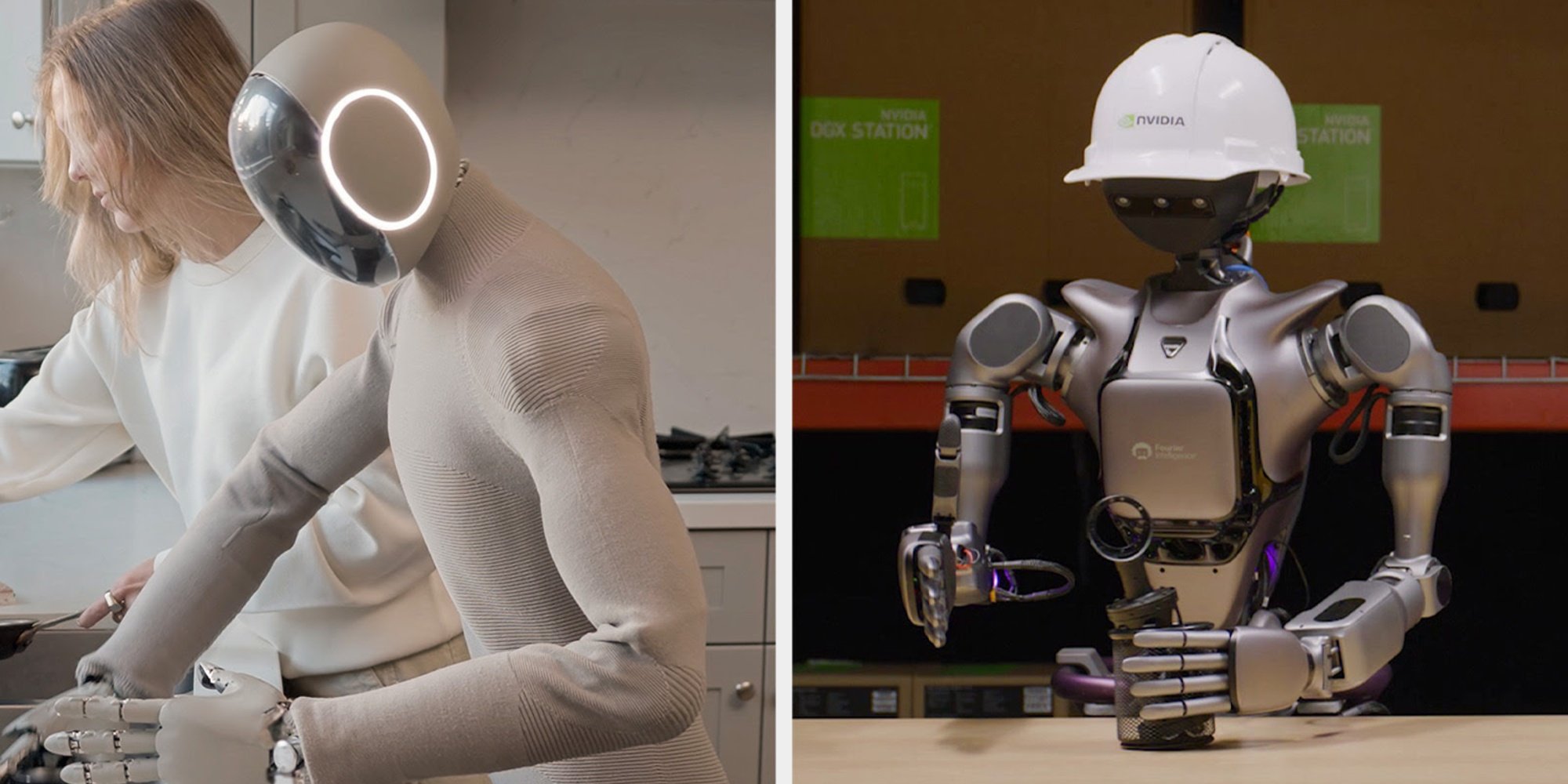
Meanwhile, in March 2025, NVIDIA unveiled its Isaac GR00T N1 model, an open-source foundation model for humanoid robotics. GR00T N1, equipped with a cognitive architecture inspired by human functioning, enables robots to reason about their environment and adapt to a variety of tasks. This innovation marks a significant step towards generalist robotics, with advanced reasoning capabilities and complex object manipulation. By collaborating with leading companies, NVIDIA demonstrates the potential of its technologies to transform industrial and entertainment sectors. Furthermore, the integration of advanced simulation technologies, such as Newton and MuJoCo-Warp, aims to optimize robot learning, thereby enhancing the potential of humanoid robots.
Finally, a study by Bank of America, published in March 2025, predicts that 3 billion humanoid robots will be in service by 2060. This projection highlights a rapid market expansion, driven by a significant decrease in production costs and increased adoption in households. Technological advances in AI and robotics, coupled with miniaturization of components, allow for reduced manufacturing costs, thus facilitating mass adoption. However, this growth also raises ethical and social questions, notably regarding potential job displacement and the integration of these technologies into daily life. The future of robotics is therefore marked by enormous opportunities, but also significant challenges to address.

Robotics is a multidisciplinary field that integrates engineering, computer science, and artificial intelligence to design machines capable of performing autonomous or semi-autonomous tasks. Robots are utilized in various sectors, from industrial manufacturing to healthcare, and even space exploration.
Robotics focuses on creating machines capable of perceiving their environment, processing information, and acting based on that information. The main challenges include improving efficiency, reducing costs, and increasing safety in industrial and commercial operations.
Robotics research is constantly evolving, with significant advancements in the development of humanoid robots, such as those presented by Tesla and Boston Dynamics. Recent innovations include the application of AI to enhance robots' ability to interact with their environment in a more human and intuitive manner.
Companies like NVIDIA and Hugging Face have made notable progress in integrating AI with robotics. NVIDIA has developed Eureka, an algorithm that enhances the learning of complex skills by robots. Hugging Face has ventured into open-source robotics to democratize access to this technology.
Robots are used in logistics to optimize supply chains, in medicine to perform precise surgeries, and in home services to assist the elderly. For example, Amazon uses robots to improve the efficiency of its distribution centers.
Institutions like MIT and companies like Tesla, Boston Dynamics, and NVIDIA are at the forefront of robotics research. These entities are developing technologies that push the boundaries of what is possible with robots.
The main challenges include creating more advanced perception systems, improving robots' ability to operate in unstructured environments, and managing human-machine interactions safely and effectively.
Careers in robotics often require training in engineering, computer science, or artificial intelligence. Many universities offer specialized programs that combine theory and practice.
Robotics is set to transform numerous sectors. In the future, we can expect increased integration of robots in daily and professional life, with a significant impact on productivity and quality of life.
Robotics is the science of designing, constructing, and using robots to perform tasks. It is important because it allows for process automation, improves efficiency, and reduces costs in various sectors. It plays a crucial role in fields like manufacturing, healthcare, and logistics, enhancing productivity and safety.
The latest advancements include the development of humanoid robots by Tesla and Boston Dynamics, and the application of AI to improve robot-environment interactions. NVIDIA introduced Eureka, an algorithm that allows robots to learn complex skills. Hugging Face launched an open-source robotics project to facilitate access to this technology.
Robotics is applied in various fields: in logistics, robots optimize supply chains; in medicine, they assist in precise surgeries; and in home services, they help the elderly. Amazon uses robots to improve the efficiency of its distribution centers, illustrating the practical integration of robotics.
Leading researchers and institutions include MIT, known for its advanced robotics research, and companies like Tesla, Boston Dynamics, and NVIDIA, which develop innovative technologies. These players are at the forefront of robotic advancements, contributing to the development of smarter and more efficient robots.
Current challenges include creating advanced perception systems, improving robots' ability to operate in unstructured environments, and safely and effectively managing human-machine interactions. These challenges require advancements in artificial intelligence, sensors, and mechatronics.
To train in robotics, it is recommended to pursue courses in engineering, computer science, or artificial intelligence. Many universities offer specialized programs that combine theory and practice. Students can focus on areas such as mechatronics, computer vision, and machine learning.
The prospects for robotics are vast, with increasing integration into daily and professional life. In the future, robots are expected to play a central role in improving productivity and quality of life by automating complex tasks and facilitating more natural interactions with humans.
Robotics interacts with many fields, notably artificial intelligence, mechatronics, and cognitive sciences. This interdisciplinarity allows for the creation of smarter and more adaptive robots. Collaborations between researchers from different scientific fields are essential to overcome technical challenges and enhance robots' capabilities.
7 articles liés à ce sujet
Hugging Face announces the pre-order availability of Reachy Mini, an expressive and open-source robot designed for human-robot interaction, creative c...
Hugging Face has introduced SmolVLA, a compact open-source Vision-Language-Action robotics model that operates efficiently on consumer hardware while...
Tesla recently showcased its humanoid robot, Optimus, performing complex dance movements. According to Milan Kovac, vice president of the Tesla Bot di...
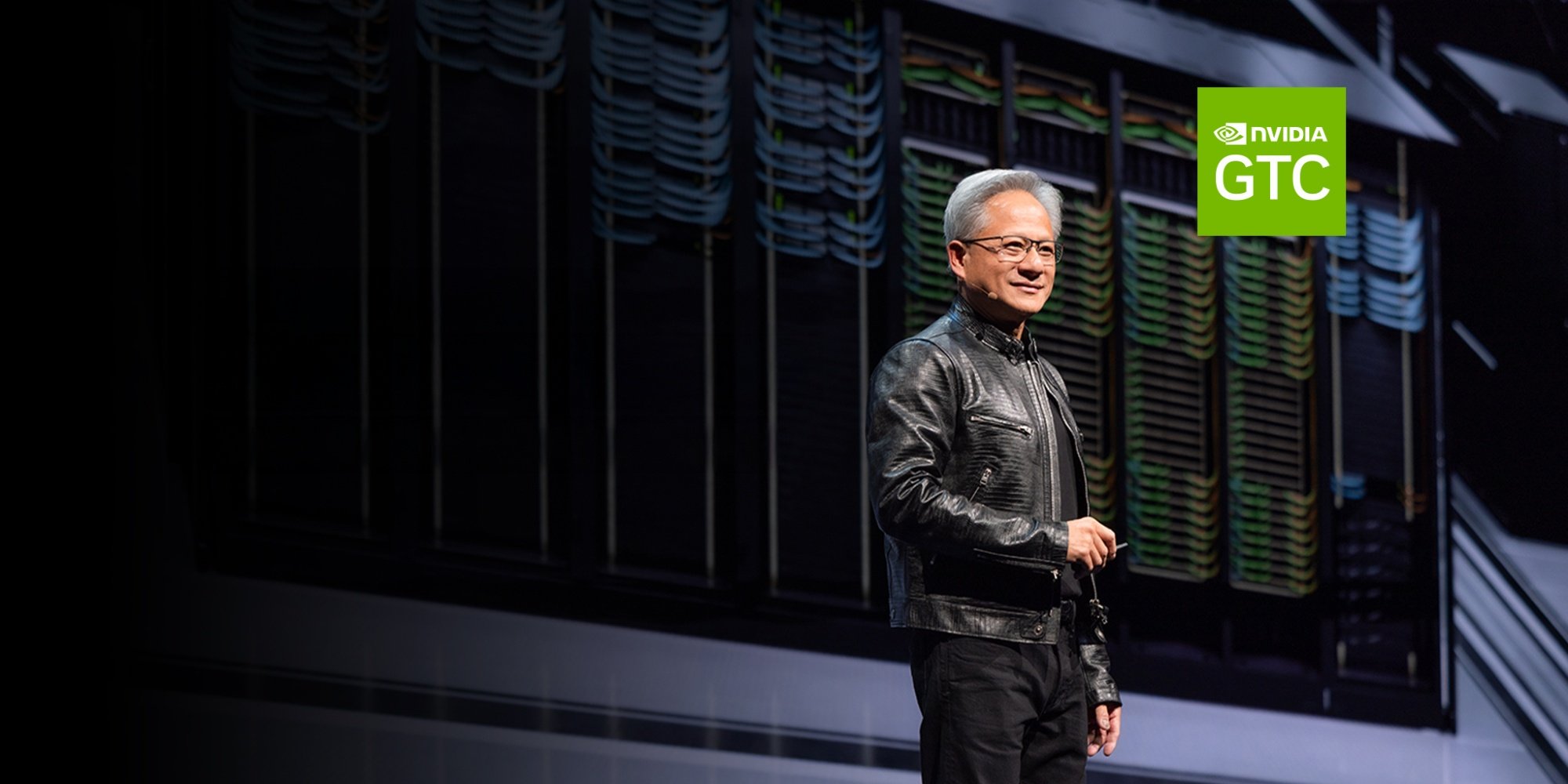
During its GTC 2025 event, NVIDIA unveiled a portfolio of technologies aimed at accelerating the development of humanoid robots. Among these innovatio...
As the first humanoid robots have begun to be deployed in various sectors, a recent study by Bank of America predicts a dramatic expansion of the mark...
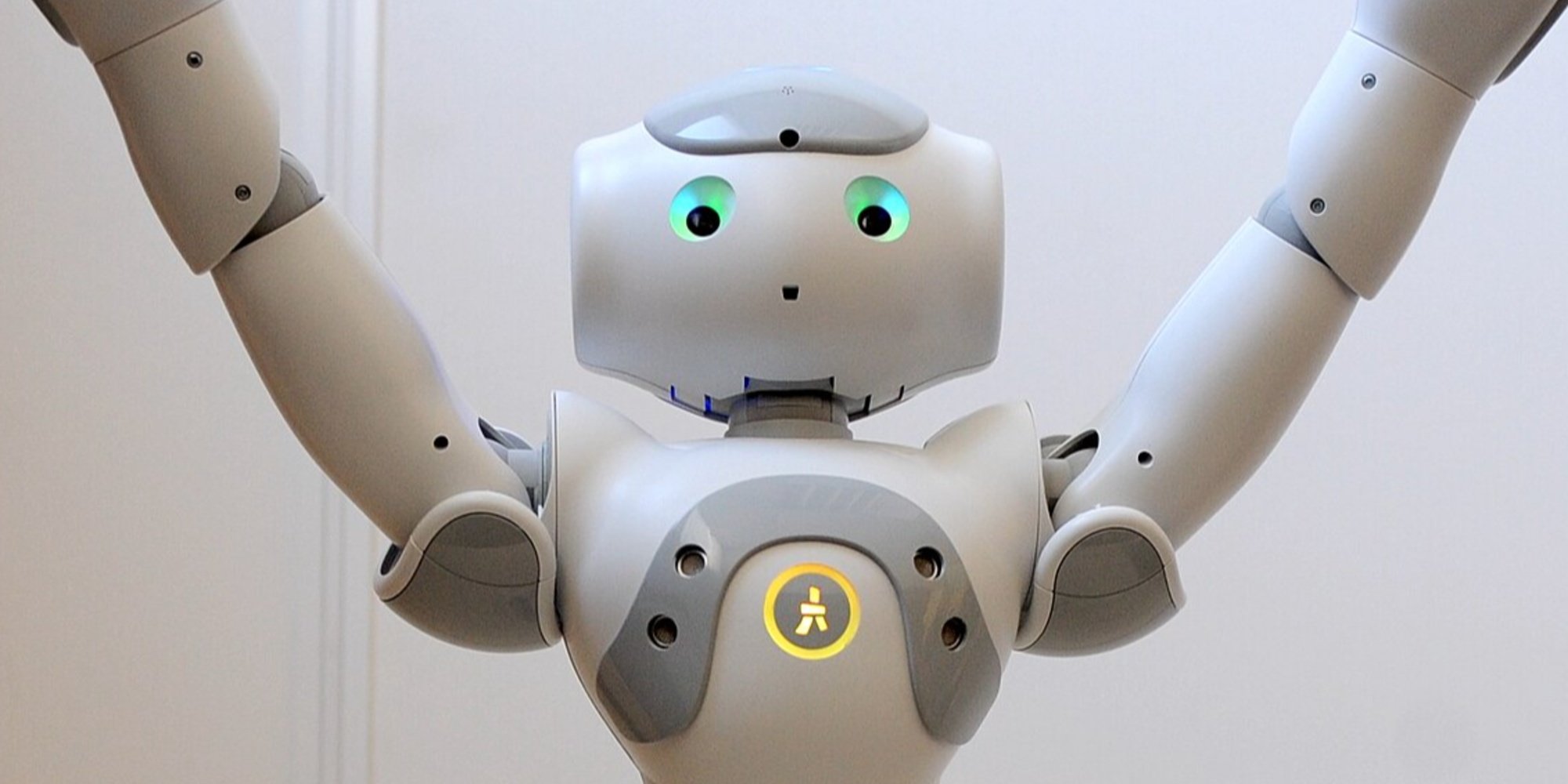
Founded in 2005 by Bruno Maisonnier, Aldebaran quickly gained recognition with its iconic small humanoid robot NAO. However, despite its technological...
The NVIDIA GTC conference, a major annual event for artificial intelligence and accelerated computing professionals, will take place from March 17 to...