Logo ActuIA ActuIA

AI news from France

Français Español Italiano Deutsch Nederlands Română Polski Português العربية Türkçe Українська 中文 日本語 한국어
PUBLIER
Home Latest news
Explorer
Topics
AI Market Artificial intelligence research Commercial product Digital transformation Ethics of Artificial Intelligence Evolution of Society Security Tool for Data Scientists Training in artificial intelligence
Industries
Company Culture Defense Education Finance Fundamental Research Health - medicine Industry Insurance Justice Marketing Media Risk Prevention Social networks Telecommunications Transport
Par thème
AI Market Artificial intelligence research Commercial product Digital transformation Ethics of Artificial Intelligence Evolution of Society Security Tool for Data Scientists Training in artificial intelligence
Par secteur
Company Culture Defense Education Finance Fundamental Research Health - medicine Industry Insurance Justice Marketing Media Risk Prevention Social networks Telecommunications Transport
Langue
Home › Sectors › environment

AI in environment

Go to latest news
🏢 Industry sector

Artificial intelligence (AI) is revolutionizing the environmental sector by offering new perspectives for the sustainable management of natural resources. This transformation comes with regulatory challenges and opportunities for innovation for businesses and governments.

📰 Actualités récentes

Recent News

In a context where environmental issues are intensifying, artificial intelligence (AI) is emerging as a promising tool to address complex climate challenges. Recent developments in the AI ecosystem highlight an increasing use of this technology for natural resource management and combating climate change. For example, geoengineering initiatives, such as cloud seeding, are on the rise. Countries like China and the United Arab Emirates are using AI to improve the efficiency of these techniques by optimizing weather condition forecasting and automating the seeding process. This approach, while promising, raises ethical and geopolitical questions, especially in the absence of clear international regulations.

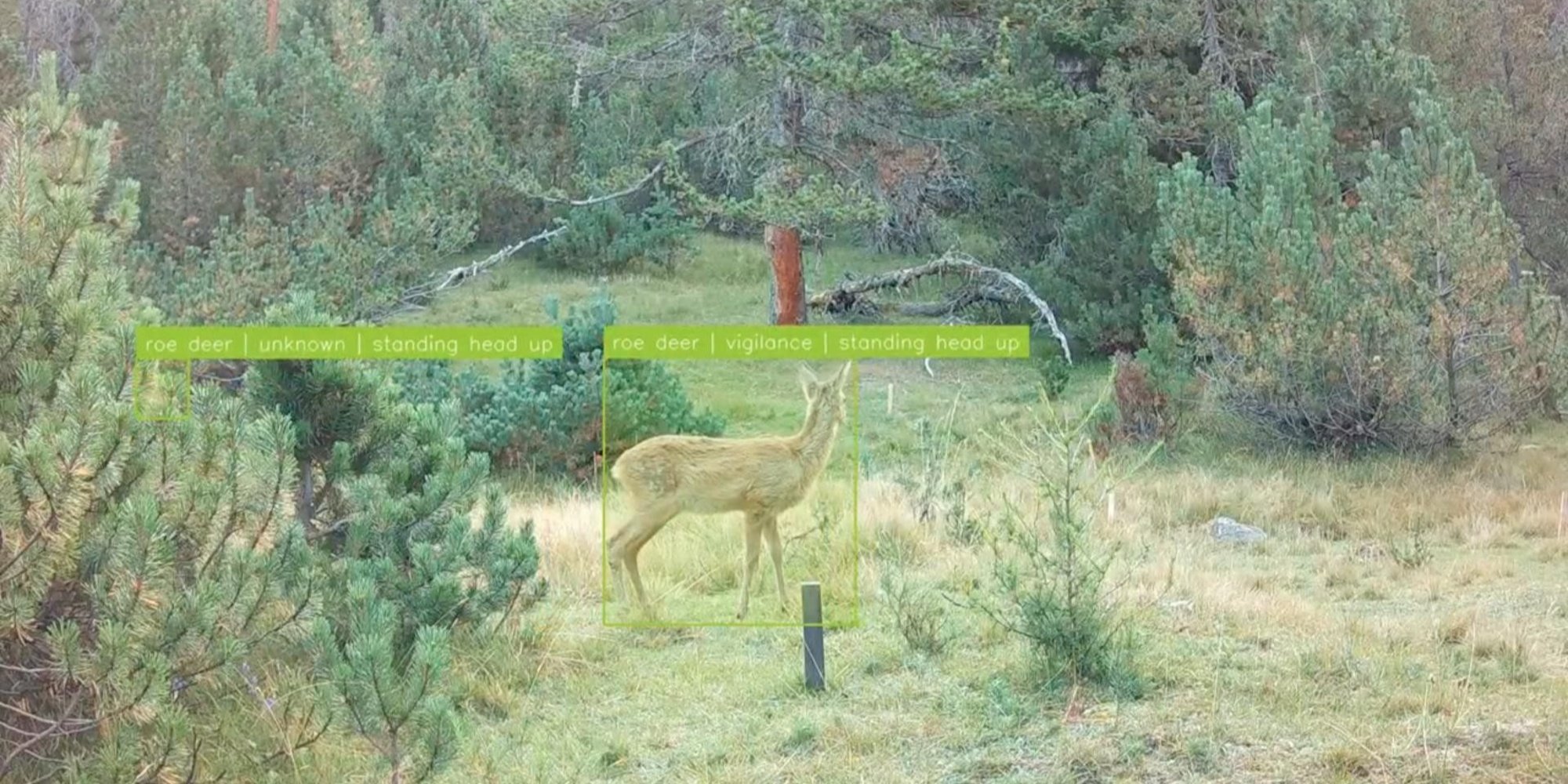
Furthermore, AI plays a crucial role in biodiversity conservation and ecosystem management. Projects like MammAlps, developed by the École Polytechnique Fédérale de Lausanne, demonstrate how computer vision and AI models can be used to observe wildlife without human interference. This method allows for a detailed analysis of animal behaviors, essential for understanding the impacts of climate change on ecosystems. These advances illustrate the potential of AI to support ecological research while respecting conservation frameworks.

However, integrating AI into sustainable development strategies encounters obstacles. IBM's "State of Sustainability Readiness 2024" report reveals a significant gap between companies' sustainability ambitions and their effective implementation. Although 90% of executives recognize AI's potential to achieve sustainability goals, more than half do not actively use it, often due to budget constraints and a shortage of specialized AI talent. These challenges underscore the need for a more structured and continuous commitment to fully leverage AI technologies in sustainable development.

Moreover, the construction sector, traditionally resource-intensive, illustrates how digital technologies, including AI, can transform industrial practices. According to a Bluebeam study, integrating digital tools such as IoT sensors and real-time project management systems not only improves productivity but also reduces the ecological footprint of construction projects. These technologies optimize resource use, decrease waste, and strengthen corporate social responsibility (CSR) commitments, demonstrating AI's potential to address the sector's environmental challenges.

Finally, initiatives like the "IRCAI & AWS Compute for Climate Bourse" show how supporting innovative startups can accelerate AI application to combat climate change. By providing resources and technological support to emerging companies, this program encourages the development of ethical and sustainable AI solutions. These efforts illustrate a growing trend towards international collaboration to use AI as a lever for a more sustainable future, while emphasizing the importance of an ethical and responsible framework in deploying these technologies.


Complete guide

How is AI transforming the environmental sector?

AI plays a crucial role in transforming the environmental sector by optimizing natural resource management, improving climate forecasting, and facilitating biodiversity monitoring. For example, AI technologies are used to analyze satellite data to detect wildfires or monitor carbon stocks in trees. These applications enable faster and more effective responses to environmental challenges.

AI challenges and issues in the environment

One of the main challenges is data management, as AI requires massive volumes of data to operate effectively. Additionally, there are concerns about the privacy and security of environmental data. Challenges also include integrating AI technologies into existing infrastructures and the need to train staff on these new tools.

Opportunities and innovations in the environment

AI offers significant opportunities for sustainable development. For instance, it can help optimize water usage in agriculture, reduce carbon emissions through intelligent energy management systems, and protect biodiversity by automating the monitoring of endangered species. These innovations can lead to significant cost savings and a reduction in ecological footprint.

Regulation and compliance in the environment

Regulations around AI in the environment mainly focus on data protection and the transparency of the algorithms used. It is crucial to ensure that AI technologies comply with privacy laws and environmental guidelines. Regulatory bodies play a key role in establishing standards for the ethical use of AI.

Leaders and pioneers in the environment

Companies like Google with MetNet-3 and organizations like NASA are at the forefront of using AI for the environment. These leaders are developing innovative models to improve weather forecasts and monitor environmental changes on a large scale.

Impact on employment and jobs

AI is transforming environmental jobs by creating new roles focused on data analysis and smart technology management. However, it can also automate certain tasks, requiring professional retraining for some workers.

Investments and strategies in the environment

Investing in AI for the environment requires a clear strategy that includes employee training, acquiring advanced technologies, and collaborating with technology partners. Investments should be directed towards sustainable solutions that offer long-term returns.

Future perspectives in the environment

In the future, AI will continue to play a central role in combating climate change and promoting sustainability. Technological advancements will enable the development of even more sophisticated systems to monitor and manage natural resources, fostering a greener and more resilient economy.

Frequently asked questions

How is AI transforming the environmental sector?

AI transforms the environmental sector by optimizing natural resource management, improving climate forecasts, and facilitating biodiversity monitoring. AI technologies are used to analyze satellite data, detect wildfires, and monitor carbon stocks in trees. These applications enable more effective and responsive management of environmental challenges.

What are the regulatory issues of AI in the environment?

The regulatory issues of AI in the environment include data protection, algorithm transparency, and compliance with environmental laws. It is essential that AI technologies respect privacy guidelines and ethical standards established by regulatory bodies to ensure responsible and secure use.

What opportunities does AI offer in the environment?

AI offers opportunities for sustainable development, such as optimizing water use in agriculture, reducing carbon emissions through intelligent energy management systems, and protecting biodiversity through automated monitoring of endangered species. These innovations can lead to significant savings and a reduction in ecological footprint.

What are the challenges of adopting AI in the environment?

The challenges of adopting AI in the environment include managing the massive volumes of data required, protecting data privacy, and integrating AI technologies into existing infrastructures. It is also crucial to train staff in using these new tools to maximize their effectiveness.

What is the impact of AI on employment in the environmental sector?

AI transforms jobs related to the environment by creating new roles focused on data analysis and smart technology management. However, it can also automate certain tasks, requiring professional retraining for some workers. Professionals must adapt by acquiring new technological skills.

on the same theme

News environment

2 articles on AI in this sector

AI & Climate Change: When Countries Bet on Artificial Rain

AI & Climate Change: When Countries Bet on Artificial Rain

As climate change and heatwaves intensify, exacerbating water stress, some nations are increasing their use of geoengineering to address critical loca...

02/07/2025 Read more →
Observing Without Disturbing: When AI Joins Alpine Wildlife Study

Observing Without Disturbing: When AI Joins Alpine Wildlife Study

A team of researchers from the École polytechnique fédérale de Lausanne (EPFL) presented MammAlps at CVPR 2025, a project combini...

Artificial intelligence research
01/07/2025 Read more →

Sector information

Type Industry sector
Articles 2

Tendances clés

📈 Automatisation des processus
🔍 Analyse prédictive
🤖 Intelligence artificielle
📊 Data-driven decisions

Secteurs connexes

Découvrez l'impact de l'IA dans d'autres secteurs
Logo ActuIA Logo ActuIA

Votre source d'information sur l'intelligence artificielle et ses avancées.

NAVIGATION

  • Mentions légales
  • Contact

SUIVEZ-NOUS

© 2019-2025 Net Square Digital. Tous droits réservés.