

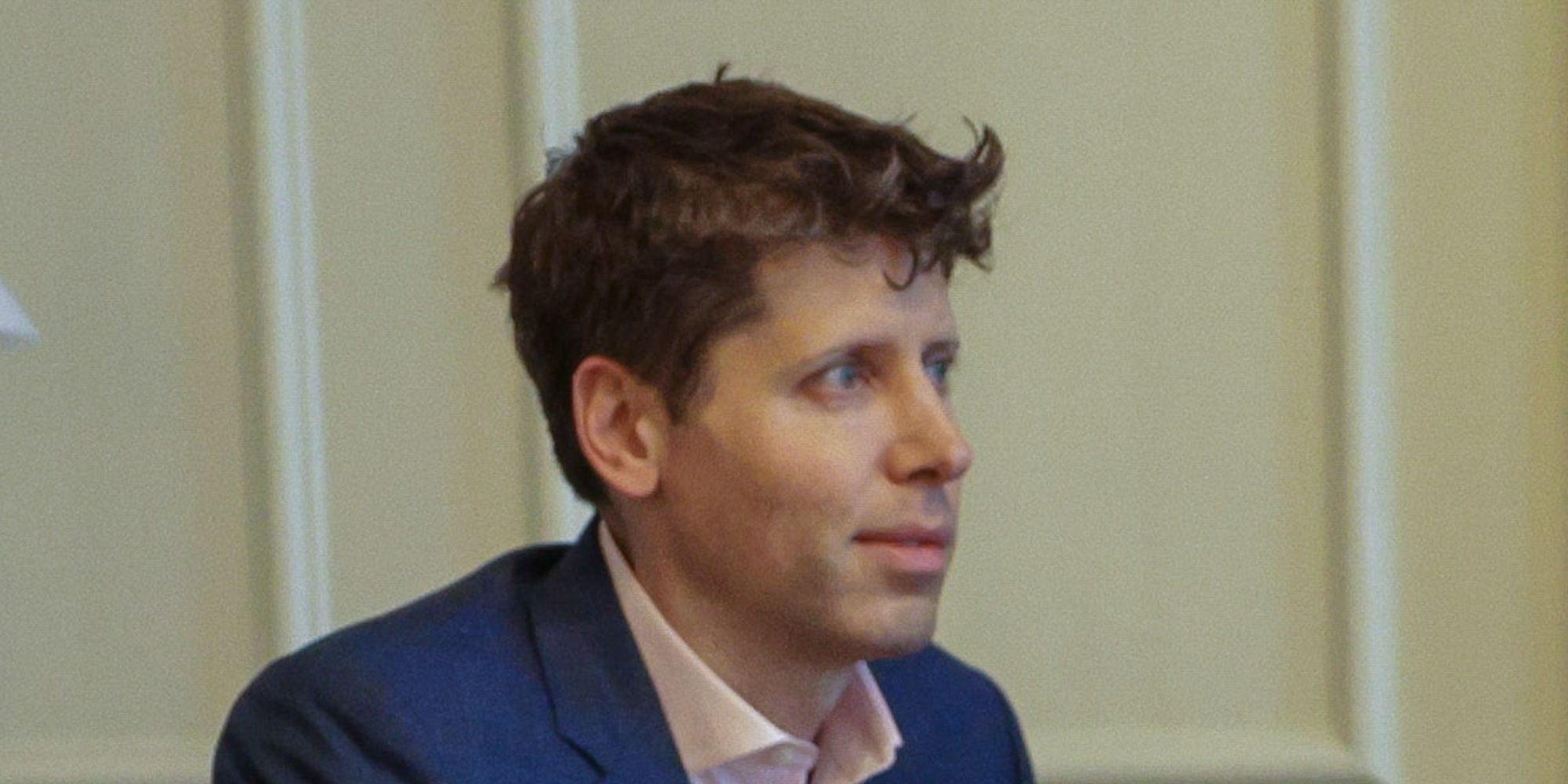
Last Tuesday, during the annual conference on the capital framework of major banks, Sam Altman, CEO of OpenAI, was questioned by Michelle Bowman, the Vice Chair of the Federal Reserve. The discussion focused on the impact of AI on the banking system, national security, and workforce organization.
After discussing the rapid rise of AI and the productivity gains it enables, Sam Altman warned about the increasing vulnerability of authentication systems in the face of the capabilities of generative models. According to him, deepfakes have rendered widely used mechanisms like voiceprints or visual authentication obsolete, and continuing to use these methods without reconsideration is reckless:
"One thing that terrifies me is that there are apparently still financial institutions that will accept a voiceprint as authentication for you to transfer a lot of money or do something else. It’s a crazy thing to still be doing."
"AI has completely defeated most of the current means of authentication, except for passwords, but all those "take a selfie and wave" or "do your voice" or whatever... I am very nervous that we have a significant fraud crisis looming because of this."
On the work front, Sam Altman anticipates the gradual disappearance of certain categories of jobs, notably customer support, replaced by conversational agents capable of performing complex tasks quickly and accurately.
"A few years ago, you loved calling customer service, you loved going through a phone tree, you talked to four different people, they made the wrong choice, you called back, you waited."
Now, you call one of these things and AI answers. It's like a super-smart and capable person. There is no phone tree, no transfers. It can do everything any customer service agent at that company could do. It makes no mistakes. It's very fast."
However, he emphasizes that in areas like healthcare, the human role remains central, "Maybe I'm a dinosaur here, but I really don't want to entrust my medical fate to ChatGPT without any human doctor in the loop."
The discussion also touched on the geopolitical risks associated with superintelligence. The CEO mentioned the possibility of adversaries using more advanced AI models to destabilize critical American infrastructure. They could thus "design a biological weapon, dismantle the U.S. power grid, or penetrate the financial system and take everyone's money."