

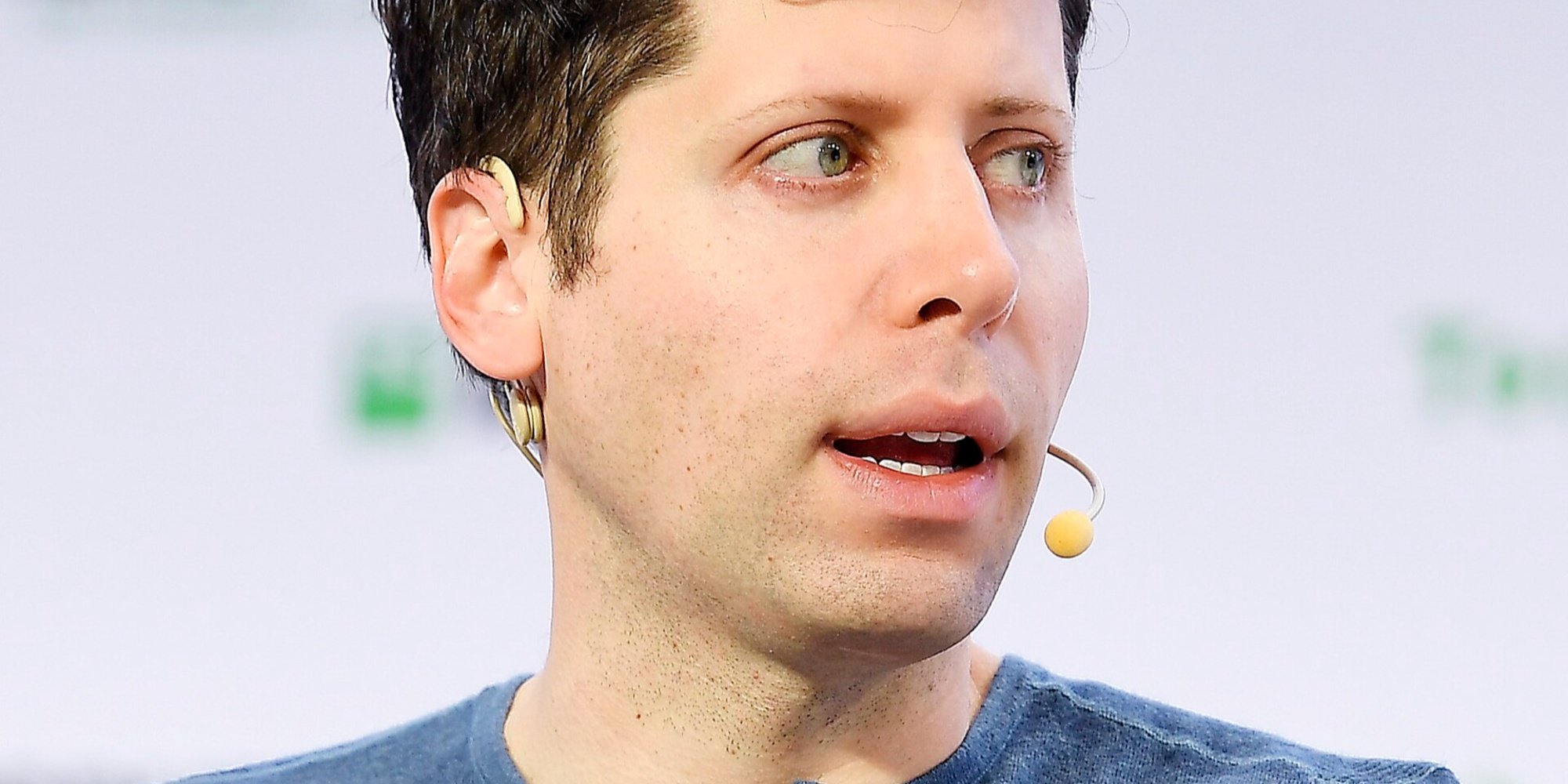
Everyone who was eager to discover OpenAI's first open weight model since GPT-2 will have to be patient: Sam Altman, the CEO, announced on July 12th the postponement of its launch, originally scheduled for this week, due to security reasons.
On March 31st, just days before OpenAI officially abandoned its project to become a fully for-profit company, Sam Altman announced another strategic shift: the publication within the year of an open weight model, equipped with advanced reasoning capabilities, the first since the launch of GPT-2 in 2019.
After initially delaying the launch last June "due to an unexpected and remarkable technical breakthrough that required more time," the CEO, citing the need for additional security tests, explained on X:
"We had planned to launch our open weight model next week. We're postponing: we need more time to conduct additional security tests and examine high-risk areas. We don't know yet how long it will take. Although we are confident that the community will create wonderful things with this model, once the weights are released, there's no going back."
Adding :
"This is new for us and we want to do it right. Sorry to be the bearer of bad news; we are working very hard!"
This future model won't be open source in the strictest sense, as only its weights—meaning the parameters from its training—will be made public. Neither the training data nor the entire source code will be open. However, this open weights approach will allow for broad reuse: developers will be able to run the model locally, adapt it to their needs, or even combine it with other systems. Hence the need to establish robust safeguards to prevent any malicious use.
This delay could also give OpenAI the opportunity to position its model favorably against growing competition in the field of open weight or open source reasoning models, such as Magistral from Mistral AI, DeeSeek R1, or Yi-1.6 developed by 01.AI.
Aidan Clark, vice president of research and head of the open weight project, assures:
"In terms of capabilities, we believe the model is phenomenal—but our bar for an open source model is high, and we think we need more time to ensure we release a model we are proud of in all respects."