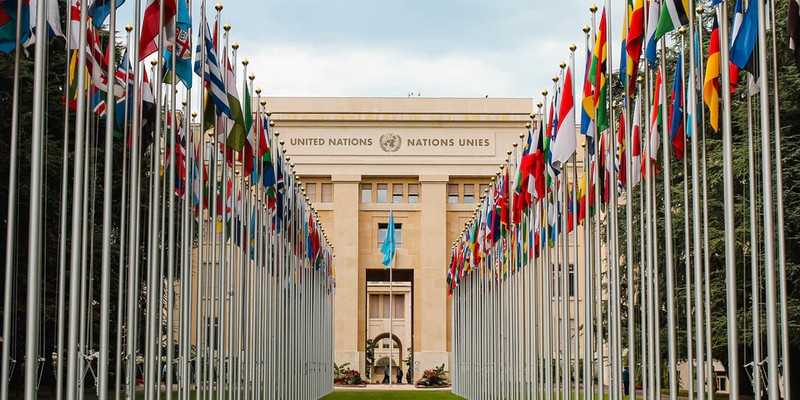
The United Nations (UN) plays a crucial role in coordinating global efforts to address contemporary challenges, including those related to artificial intelligence (AI) and new technologies. As an intergovernmental organization founded in 1945, the UN comprises 193 member states with the mission to maintain international peace and security, promote sustainable development, and protect human rights. In a world of constant technological evolution, the UN positions itself as a key player to ensure that AI is used ethically and beneficially for humanity.
Areas of Expertise and Key Achievements
The United Nations, through its various specialized agencies, focuses on different aspects of artificial intelligence and digital technologies. For instance, UNESCO has taken the initiative to promote AI ethics by adopting the first global normative framework on the subject in 2021. This framework aims to ensure that AI technologies respect human rights and promote sustainable development. Meanwhile, the International Telecommunication Union (ITU) works on establishing technical standards for information and communication technologies, ensuring increased interoperability and security of digital systems globally.
The United Nations Conference on Trade and Development (UNCTAD) also highlights the economic impact of AI. Its 2025 report on technology and innovation underscores the risks of automation for global employment, while advocating for international cooperation to bridge the digital divide between developed and developing countries.
Recent Contributions and Notable Projects
Recently, the UN adopted a historic resolution aimed at promoting "safe, secure, and trustworthy" AI systems. This resolution, supported by 124 member states, calls for the development of national and international regulatory frameworks to govern the use of AI in compliance with human rights and sustainable development goals.
Additionally, UNESCO launched a graphic novel titled "Steering AI: An Algorithmic Adventure" to raise public awareness about the ethical issues surrounding AI. This educational project aims to inform policymakers, youth, and adults about the challenges and opportunities related to AI.
Position in the Technological Ecosystem
The UN is at the heart of the global technological ecosystem as a facilitator of international cooperation. By organizing summits and forums, it brings together experts, policymakers, and private sector actors to discuss the implications of AI and new technologies. For example, the AI for Good Summit, organized by the ITU, focuses on using AI to achieve the Sustainable Development Goals.
The UN also collaborates with entities like the OECD to strengthen global AI governance. Together, they work to assess the risks and opportunities associated with AI, while promoting security standards and effective oversight mechanisms.
Recent Developments and News
In 2024, the UN Security Council discussed for the first time the impact of AI on international peace and security. This initiative highlights the urgency of regulating AI to prevent its malicious use. Secretary-General António Guterres proposed the creation of a new UN agency to govern AI, inspired by existing models like the International Atomic Energy Agency.
Moreover, the UN is actively engaged in combating climate change by using AI and cloud computing to develop innovative solutions. The "Compute for Climate Fellowship" program, launched in collaboration with IRCAI and Amazon Web Services, supports startups applying AI to address climate challenges.
In conclusion, the United Nations continues to play a central role in the governance and development of artificial intelligence and digital technologies. By promoting ethical standards and international collaborations, the UN ensures that these innovations benefit all of humanity while minimizing associated risks.
L’Organisation des Nations unies est une organisation internationale regroupant 193 États. La Charte des Nations unies est adoptée le 26 juin 1945 par 51 États, en remplacement de la Société des Nations. Elle entre officiellement en vigueur le 24 octobre 1945.