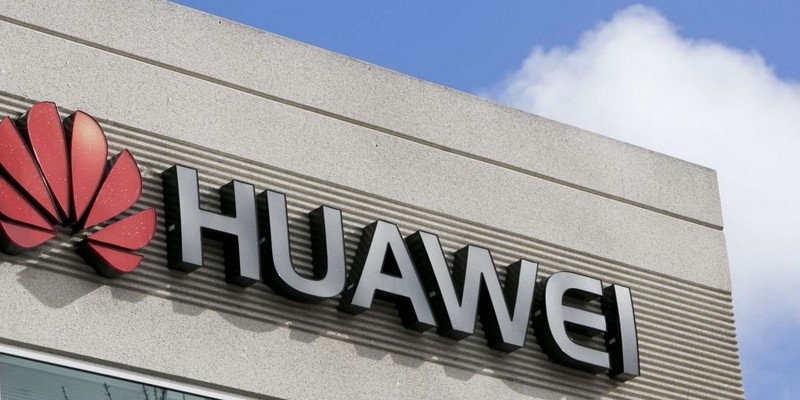
Huawei, a globally renowned Chinese technology company, has established itself as a key player in the field of telecommunications and information technology. Founded in 1987, Huawei quickly evolved to become one of the largest providers of telecommunications solutions and network infrastructure services worldwide. With a presence in over 170 countries, the company employs tens of thousands of people and continues to innovate in various technological domains.
Areas of Expertise and Key Achievements
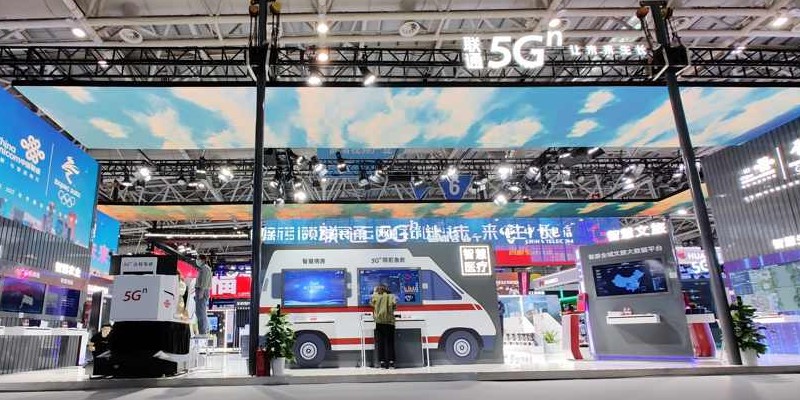
Huawei is particularly recognized for its advancements in mobile communication technologies, notably 5G. The company has played a crucial role in the development and implementation of next-generation networks, enabling telecommunications operators worldwide to deploy advanced 5G services. The company is also a major player in the field of network equipment, providing comprehensive solutions ranging from communication infrastructure to consumer devices such as smartphones.
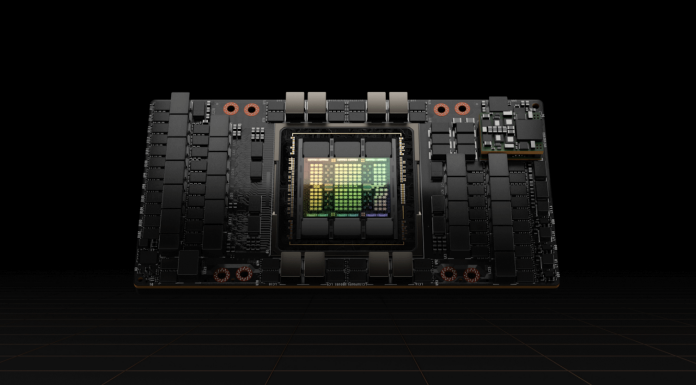
In addition to its contributions to telecommunications, Huawei has ventured into the semiconductor field with its range of Kirin and Ascend chips, used in its own devices as well as in other industrial applications. These chips are at the heart of its innovations in artificial intelligence (AI), where Huawei has developed solutions for automation, voice recognition, and intelligent systems.
Recent Contributions and Notable Projects
Huawei recently made waves with the launch of the Arcfox Alpha S, its first model of electric and autonomous vehicle, in collaboration with BAIC. This vehicle is equipped with advanced technologies, including a level 3 autonomous driving system and a deep integration of AI to enhance the user experience. Furthermore, the PanGu-Alpha language model, developed by Huawei, represents a significant advancement in the field of AI, rivaling other leading models like GPT-3 with its 200 billion parameters.
Huawei has also invested in fundamental research with the Huawei Young Talents program, supporting young researchers in mathematics and theoretical physics at the Institut des Hautes Études Scientifiques. This program demonstrates Huawei's commitment to scientific innovation and talent development.
Position in the Technological Ecosystem
Huawei holds a strategic position in the global technological ecosystem, notably thanks to its advancements in digital communication technologies and artificial intelligence. The company is often at the forefront of innovations in 5G and networks, playing a crucial role in global digital transformation. It also holds a leading position in patent applications, particularly in the fields of digital communication and computing, which attests to its ability to innovate and influence global technological trends.
Recent Developments and News
Facing increasing restrictions from the United States regarding access to advanced technologies, Huawei has redoubled its efforts to strengthen its technological self-sufficiency. The company has notably invested in the development of local chips, such as the Ascend 910B, to reduce its dependence on American and European suppliers. In a tense geopolitical context, Huawei continues to play a central role in the development of AI and telecommunications solutions, while seeking to diversify its partnerships and strengthen its presence in emerging markets.
Despite challenges, Huawei remains a pillar of technological innovation thanks to its constant investments in research and development and its ability to adapt to rapid changes in the global market. The company continues to focus on creating advanced technological solutions that meet the changing needs of consumers and businesses worldwide.